
Quality of life in Otavi
Cost of Living, Healthcare, Safety, Education, and More
About Otavi
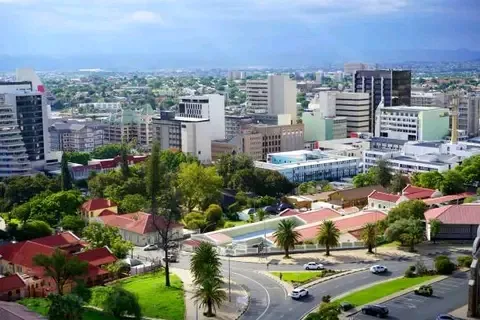
Otavi, a small town in northern Namibia, is nestled in the Otjozondjupa Region. Known for its picturesque landscapes and rich mineral resources, Otavi is a hidden gem that offers a unique blend of natural beauty and cultural heritage.The town is surrounded by the Otavi Mountain Range, which provides a stunning backdrop and numerous opportunities for outdoor activities. As a growing hub for agriculture and mining, Otavi plays a significant role in Namibia's economy.In recent years, Otavi has seen a surge in tourism, attracting visitors with its serene environment and the promise of adventure. The town's welcoming atmosphere and vibrant community make it an ideal destination for those looking to explore Namibia's lesser-known treasures.


History and Culture
Otavi's history is deeply intertwined with the mining industry, which has been a cornerstone of its development since the early 20th century. The discovery of copper and other minerals attracted settlers and investors, leading to the establishment of the town.
During the colonial era, Otavi was a focal point for German settlers, and remnants of this period can still be seen in the town's architecture and cultural influences. The Otavi Railway, built to transport minerals, played a crucial role in the town's growth and connectivity.
Culturally, Otavi is a melting pot of traditions and ethnicities. The town is home to various communities, including the Herero, Damara, and Ovambo people, each contributing to the rich tapestry of local customs and traditions.
Local festivals and events, such as the Otavi Cultural Festival, celebrate this diversity, showcasing traditional music, dance, and crafts. These events offer a glimpse into the vibrant cultural life of the town and are a testament to its communal spirit.
Things to do in Otavi
Visitors to Otavi can explore the stunning Otavi Mountain Range, which offers hiking trails and breathtaking views. The mountains are also home to diverse wildlife, making it a perfect spot for nature enthusiasts.
The town's mining history can be explored at the local museum, where exhibits detail the development of the industry and its impact on the region. This provides an insightful look into the town's past and its economic significance.
For those interested in cultural experiences, the Otavi Cultural Festival is a must-visit. This annual event features traditional performances, local cuisine, and artisanal crafts, offering a rich cultural immersion.
Otavi's proximity to other attractions, such as the Etosha National Park, allows for easy day trips to explore Namibia's renowned wildlife and natural beauty. This makes Otavi an excellent base for broader exploration of the region.
Quality of Life Rankings
Weather in Otavi
Otavi, Namibia experiences a semi-arid climate characterized by hot summers and mild winters. The region has distinct wet and dry seasons, with most of the rainfall occurring during the summer months. The average annual precipitation is approximately 20 inches (500 mm), with January being the wettest month, averaging around 4 inches (100 mm) of rainfall.
Seasonal Breakdown
- Spring (September to November)Temperatures gradually rise from an average high of 82°F (28°C) in September to 90°F (32°C) in November. Rainfall is minimal during this period, averaging around 0.8 inches (20 mm) per month.
- Summer (December to February)The hottest months, with average highs ranging from 91°F (33°C) in December to 95°F (35°C) in January. This is also the wettest period, with January receiving the most precipitation, averaging around 4 inches (100 mm).
- Autumn (March to May)Temperatures gradually decrease from an average high of 88°F (31°C) in March to 81°F (27°C) in May. Rainfall decreases significantly, averaging around 1.2 inches (30 mm) per month.
- Winter (June to August)The coldest period, with average highs ranging from 75°F (24°C) in June to 78°F (26°C) in August. Rainfall is minimal, averaging about 0.4 inches (10 mm) per month.
Notable Weather Events
- Occasional heatwaves during the summer months.
- Heavy thunderstorms during the peak of the rainy season in January.
- Extended dry spells during the winter months.
Otavi's Political Climate
Otavi, a town located in the Otjozondjupa Region of Namibia, is characterized by a political climate that reflects both the broader national trends and local dynamics. The town operates under a local government system that aligns with Namibia's decentralized governance structure, allowing for local councils to manage municipal affairs. The political landscape in Otavi is influenced by the national ruling party, SWAPO (South West Africa People's Organization), which has historically dominated Namibian politics since the country's independence in 1990.
The town's political history is intertwined with Namibia's struggle for independence, and this legacy continues to shape its political discourse. Current political leadership in Otavi is focused on addressing local issues such as infrastructure development, education, and healthcare. The town has also been part of national efforts to implement progressive policies, particularly in areas like environmental sustainability and social equity.
Otavi's political climate is also shaped by its economic activities, primarily agriculture and mining, which influence policy decisions related to land use and environmental management. Recent trends in Otavi include a growing emphasis on community engagement and participatory governance, reflecting a broader national movement towards increased civic involvement in political processes.
Political Quick Facts
- Voter Turnout65%
- City GovernanceLocal council governance
- CompositionMajority SWAPO with representation from opposition parties
- Recent Political ChangesIncreased focus on local economic development and infrastructure projects
- EngagementModerate, with growing community involvement
- Political ScorecardHigh transparency and governance ratings
- Legislative PrioritiesInfrastructure development Education improvement Healthcare access
- Public OpinionGenerally supportive of SWAPO, with increasing calls for more transparency and accountability
Notable Political Figures
- John MutorwaA prominent SWAPO politician and former Minister of Agriculture, Water and Forestry.
- Sophia ShaningwaSecretary General of SWAPO and influential in national and local politics.
- Penda Ya NdakoloFormer Minister of Defence and a key figure in regional political affairs.