
Quality of life in Christchurch
Cost of Living, Healthcare, Safety, Education, and More
About Christchurch
Christchurch, located on the east coast of New Zealand's South Island, is renowned for its English heritage and vibrant arts scene. Known as the 'Garden City,' it boasts expansive parks and gardens, with Hagley Park and the Christchurch Botanic Gardens being central to its charm.The city is a hub for innovation and technology, with a growing reputation in the tech industry. Its recovery and redevelopment following the 2010 and 2011 earthquakes have led to a modern urban landscape, blending historic architecture with contemporary design.Christchurch's cultural diversity is reflected in its numerous festivals and events, celebrating everything from food and wine to music and the arts. The city's dynamic atmosphere is complemented by its proximity to natural wonders, offering a gateway to outdoor adventures in the surrounding mountains and coastline.


History and Culture
Christchurch was founded in 1850 by English settlers, and its layout and architecture reflect its colonial origins. The city played a significant role in New Zealand's history, serving as a base for Antarctic exploration and a center for agricultural development.
The devastating earthquakes of 2010 and 2011 marked a turning point in Christchurch's history. The city's resilience and innovative spirit have driven its recovery, leading to a vibrant mix of old and new in its urban landscape.
Cultural institutions such as the Canterbury Museum and the Christchurch Art Gallery Te Puna o Waiwhetū are central to the city's cultural life. Christchurch is also known for its street art, with murals and installations adding color and creativity to the cityscape.
The city's cultural fabric is enriched by its diverse communities, including significant Māori and Pacific Islander populations. Festivals like the World Buskers Festival and the Christchurch Arts Festival highlight the city's commitment to celebrating its cultural diversity.
Things to do in Christchurch
Visitors to Christchurch can explore the stunning Christchurch Botanic Gardens, a haven of tranquility and beauty. The gardens are perfect for leisurely strolls and picnics, offering a variety of plant species and themed gardens.
For those interested in history and culture, the Canterbury Museum provides insights into the region's past, while the Christchurch Art Gallery showcases contemporary and traditional art.
Outdoor enthusiasts can enjoy the Port Hills, offering hiking and biking trails with panoramic views of the city and the Southern Alps. The nearby Banks Peninsula is ideal for exploring quaint towns like Akaroa and enjoying marine wildlife tours.
Christchurch's food scene is vibrant, with a range of local eateries and international cuisines. The city's markets, such as the Christchurch Farmers' Market, offer fresh produce and artisanal products.
Annual events like the New Zealand Cup and Show Week and the Christchurch Lantern Festival provide entertainment and cultural experiences, drawing locals and tourists alike.
Quality of Life Rankings
Christchurch ranks 1st on the Quality of Life rankings in New Zealand.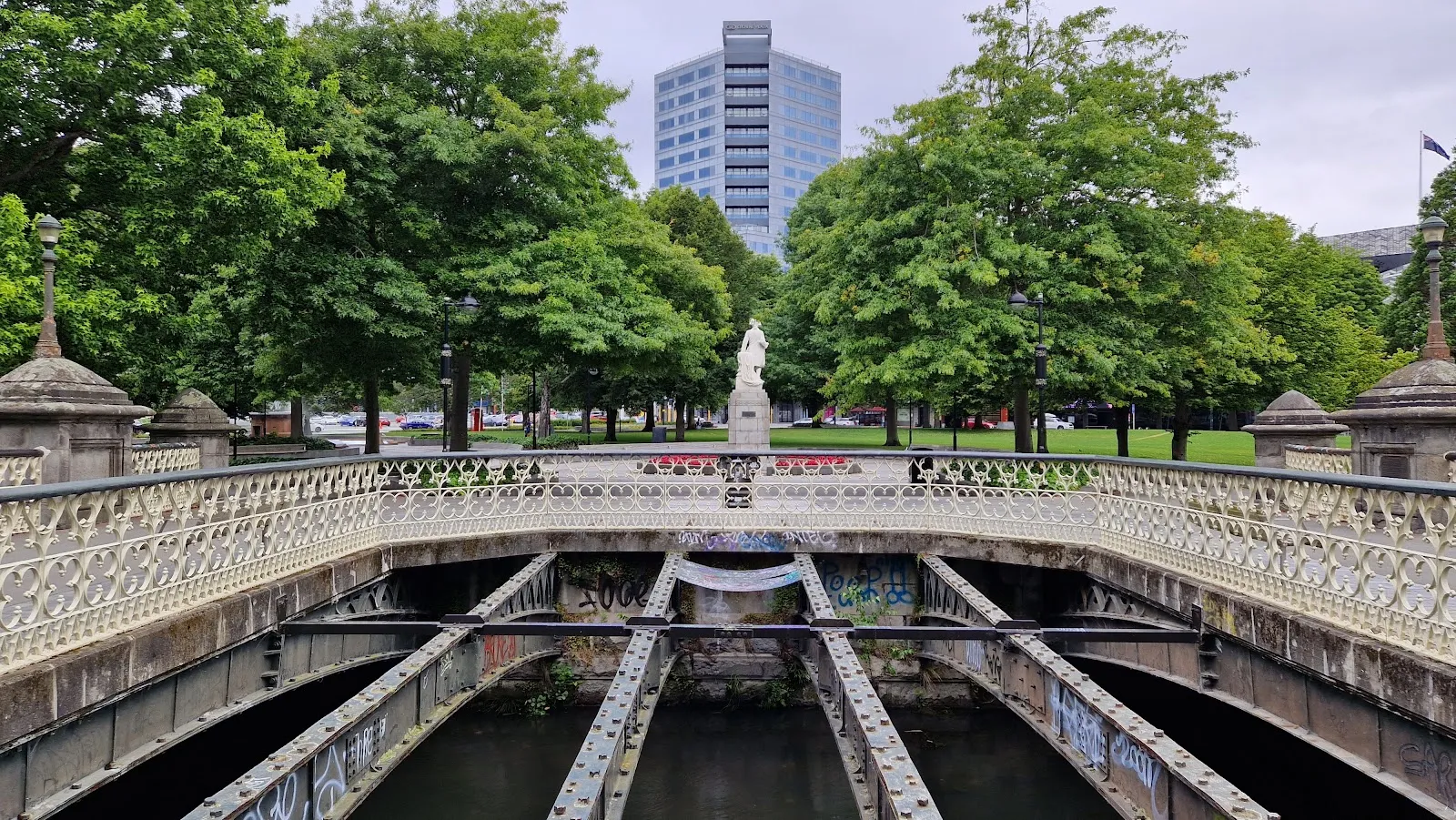

Weather in Christchurch
Christchurch, New Zealand experiences a temperate oceanic climate characterized by mild summers and cool winters. The city receives an average annual precipitation of approximately 25 inches (640 mm), with July being the wettest month, averaging around 2.8 inches (70 mm) of rainfall.
Seasonal Breakdown
- Spring (September to November)Temperatures gradually rise from an average high of 59°F (15°C) in September to 68°F (20°C) in November. Rainfall is moderate during this period, with October receiving the most precipitation, averaging around 2.4 inches (60 mm).
- Summer (December to February)The warmest months, with average highs ranging from 72°F (22°C) in December to 77°F (25°C) in January. Rainfall decreases during the summer, averaging around 1.6 inches (40 mm) per month.
- Autumn (March to May)Temperatures gradually decrease from an average high of 72°F (22°C) in March to 61°F (16°C) in May. Rainfall remains moderate, averaging around 2 inches (50 mm) per month.
- Winter (June to August)The coldest period, with average highs ranging from 52°F (11°C) in June to 50°F (10°C) in August. Snowfall is rare, but the city can experience frosty mornings, especially in July.
Notable Weather Events
- Occasional frosty mornings during winter.
- Rare snowfall events, typically occurring in the hill suburbs.
- Potential for strong winds, particularly the nor'wester, which can occur throughout the year.
Christchurch's Political Climate
Christchurch, located on the east coast of New Zealand's South Island, is a city with a dynamic political climate that reflects both its historical roots and modern aspirations. The city is governed by the Christchurch City Council, which operates under a mayor-council system. The political landscape is characterized by a mix of progressive and conservative elements, with a strong emphasis on community engagement and sustainability.
Historically, Christchurch has been a center for progressive movements in New Zealand, often leading the way in social and environmental reforms. The city has been at the forefront of implementing policies aimed at earthquake recovery and resilience, following the devastating earthquakes in 2010 and 2011. These events have significantly shaped the city's political priorities, focusing on urban regeneration, infrastructure development, and community well-being.
In recent years, Christchurch has embraced sustainability initiatives, including efforts to reduce carbon emissions and promote renewable energy. The city has also been active in social justice initiatives, addressing issues such as housing affordability and inclusivity. The political climate in Christchurch is influenced by its diverse population, which includes a significant number of young people and a growing multicultural community.
Recent political trends in Christchurch include a heightened focus on climate change adaptation and disaster preparedness, reflecting the city's ongoing commitment to building a resilient future. The political leadership in Christchurch is known for its transparency and engagement with citizens, fostering a culture of open dialogue and participatory governance.
Political Quick Facts
- Voter TurnoutApproximately 60%
- City GovernanceMayor-council system
- CompositionA mix of independent and party-affiliated members, with a slight majority leaning towards progressive policies
- Recent Political ChangesIncreased focus on climate change policies and urban regeneration projects
- EngagementHigh, with active community participation in local governance
- Political ScorecardHigh marks for transparency and citizen engagement
- Legislative PrioritiesClimate change adaptation Urban regeneration Social housing initiatives
- Public OpinionGenerally progressive, with strong support for sustainability and social equity
Notable Political Figures
- Lianne DalzielFormer Mayor known for her leadership during the earthquake recovery.
- Phil MaugerCurrent Mayor focused on infrastructure and community development.
- Raf ManjiLocal politician and advocate for fiscal responsibility and innovation.