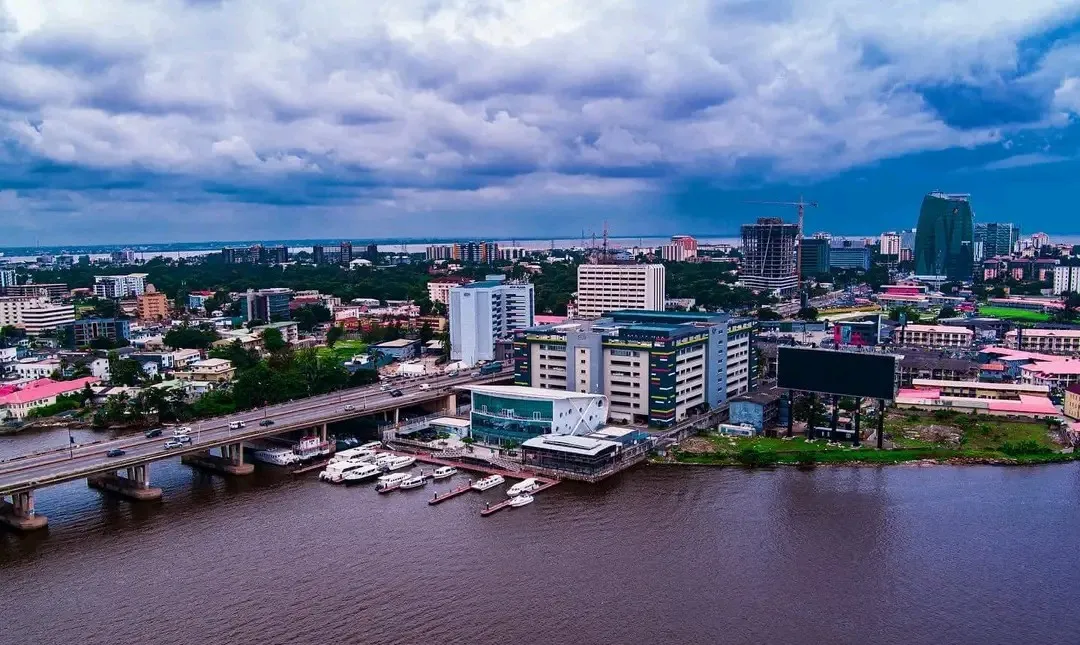
Traffic in Akure
Akure, a bustling city in Nigeria, presents unique transportation dynamics with a focus on improving urban mobility.Despite the lack of detailed data, Akure's traffic system continues to evolve with a focus on sustainability and efficiency.Average Commute Times
More Information
Seasonal Trends
Traffic patterns in Akure can vary with the rainy season, often leading to increased congestion.
Dry seasons may see smoother traffic flow, but road maintenance can impact travel times.
Commuter Pain Points
Limited public transportation options can lead to reliance on personal vehicles.
Poor road conditions and lack of traffic management contribute to commuter frustration.
Best Travel Times
Early mornings and late evenings are generally the best times to travel to avoid peak congestion.
Midday travel can be unpredictable due to varying traffic conditions.
Event Impacts
Public events and market days can significantly increase traffic congestion in Akure.
Planning travel around these events can help avoid delays.
Sustainability Efforts
Akure is exploring initiatives to promote cycling and walking as sustainable transport options.
Efforts to improve public transportation infrastructure are underway to reduce reliance on personal vehicles.
Ride-Sharing Impact
Ride-sharing services are gradually gaining popularity, offering flexible commuting options.
These services can help reduce the number of cars on the road, easing congestion.