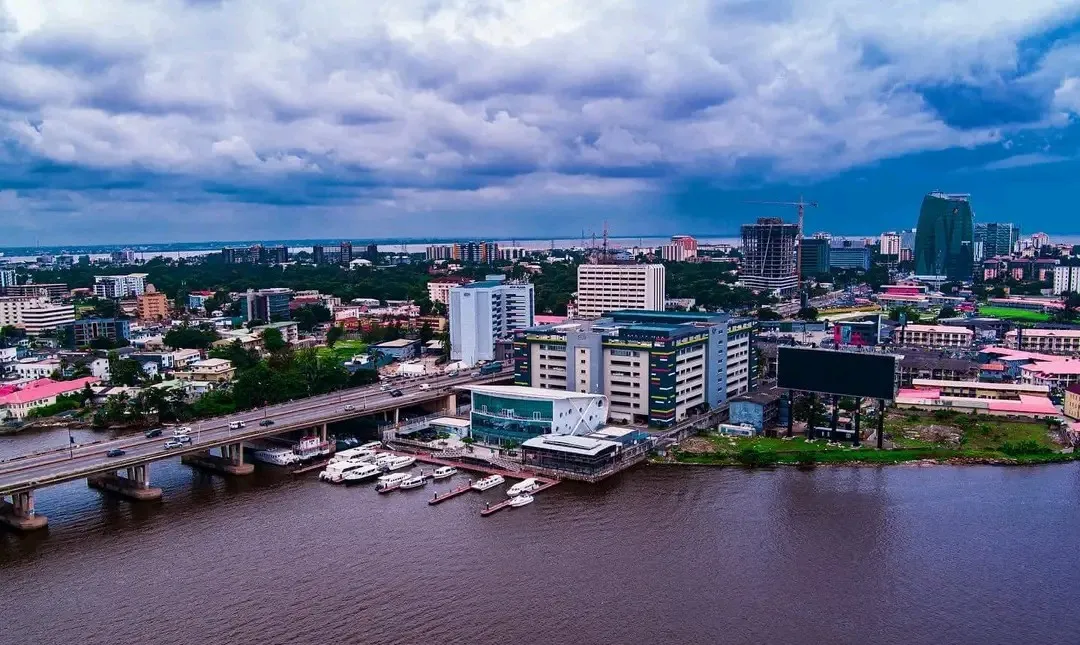
Traffic in Ondo
In 2024, Ondo, Nigeria, presents a unique traffic landscape where the majority of the population remains at home, resulting in negligible traffic congestion.With no significant usage of public or private transportation, Ondo's carbon footprint from traffic is virtually non-existent.Average Commute Times
The average commute time in Ondo is effectively zero as most residents do not engage in daily commuting.
Traffic Breakdown
Traffic Data
Overall average travel
More Information
Seasonal Trends
Ondo experiences minimal seasonal variation in traffic due to the lack of active commuting.
Weather changes have little impact on transportation patterns in the city.
Commuter Pain Points
With no significant commuting, traditional pain points like congestion and delays are absent.
Access to transportation options may be limited for those needing to travel.
Best Travel Times
Any time is suitable for travel in Ondo due to the absence of traffic congestion.
Residents can plan trips without concern for peak traffic hours.
Event Impacts
Public events have minimal impact on traffic due to the low baseline of commuting activity.
Events are unlikely to cause significant disruptions in transportation.
Sustainability Efforts
Ondo can focus on maintaining its low-emission status by promoting sustainable practices.
Encouraging remote work and digital solutions can help sustain the current low traffic levels.
Ride-Sharing Impact
Ride-sharing services have a limited presence in Ondo due to the low demand for commuting.
These services could expand to offer more flexible transportation options for residents.