
Quality of life in Forde
Cost of Living, Healthcare, Safety, Education, and More
About Forde
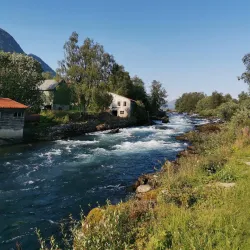
Forde, nestled in the heart of Norway, is a city that beautifully blends natural beauty with cultural richness. Known for its breathtaking landscapes, including majestic fjords and lush greenery, Forde offers a serene yet vibrant atmosphere. The city is a hub for cultural activities, with a strong emphasis on music and arts, making it a lively place for both residents and visitors.In recent years, Forde has seen a growth in tourism, attracting nature enthusiasts and culture seekers alike. The city's commitment to sustainability and preserving its natural surroundings has made it a model for eco-friendly living. With a welcoming community and a range of activities, Forde stands out as a unique destination in Norway.



History and Culture
Forde's history is deeply intertwined with the natural landscape that surrounds it. The city has been a significant settlement area since ancient times, with evidence of human activity dating back thousands of years. Historically, Forde has been a center for trade and agriculture, benefiting from its strategic location along the waterways.
Culturally, Forde is renowned for its annual Forde Traditional and World Music Festival, which attracts artists and audiences from around the globe. This festival highlights the city's dedication to preserving and promoting traditional music while embracing global influences. The local museums and galleries offer insights into the region's history and artistic heritage, showcasing works from notable Norwegian artists.
The city's cultural fabric is enriched by its diverse population, which includes influences from various parts of Norway and beyond. This diversity is reflected in the local cuisine, festivals, and daily life, making Forde a vibrant and inclusive community.
Things to do in Forde
Visitors to Forde can explore the stunning natural landscapes, including the nearby Jostedalsbreen National Park, home to the largest glacier in mainland Europe. Hiking, fishing, and kayaking are popular activities that allow visitors to immerse themselves in the breathtaking scenery.
The Forde Traditional and World Music Festival is a must-attend event, offering a unique blend of traditional Norwegian music and international sounds. The festival creates a lively atmosphere in the city, with performances, workshops, and cultural exchanges.
For those interested in history and art, the Sunnfjord Museum provides a glimpse into the region's past, with exhibits on local traditions and historical artifacts. The city's art galleries and cultural centers also host regular exhibitions and events, showcasing both local and international artists.
Quality of Life Rankings


Weather in Forde
Forde, Norway experiences a temperate oceanic climate characterized by mild, wet winters and cool, damp summers. The city receives an average annual precipitation of approximately 90 inches (2300 mm), with September being the wettest month, averaging around 10 inches (250 mm) of rainfall.
Seasonal Breakdown
- Spring (March to May)Temperatures gradually rise from an average high of 41°F (5°C) in March to 55°F (13°C) in May. Rainfall is frequent, with April and May receiving significant precipitation, averaging around 7 inches (180 mm) per month.
- Summer (June to August)The warmest months, with average highs ranging from 61°F (16°C) in June to 64°F (18°C) in July. Rainfall remains high, averaging around 8 inches (200 mm) per month, contributing to the lush greenery of the region.
- Autumn (September to November)Temperatures gradually decrease from an average high of 59°F (15°C) in September to 45°F (7°C) in November. September is the wettest month, with rainfall averaging around 10 inches (250 mm).
- Winter (December to February)The coldest period, with average highs ranging from 39°F (4°C) in December to 37°F (3°C) in February. Snowfall is common, particularly in January, but it is often mixed with rain, averaging about 7 inches (180 mm) of precipitation.
Notable Weather Events
- Frequent heavy rainfall leading to potential flooding, especially in autumn.
- Occasional snowstorms in winter, though often mixed with rain.
- Mild summer temperatures with persistent cloud cover.
Forde's Political Climate
Forde, located in the picturesque landscapes of Norway, is a city that reflects the broader political climate of the country, known for its stable and progressive governance. The city operates under a parliamentary system, with a strong emphasis on democratic values and citizen participation. The political landscape in Forde is characterized by a commitment to social welfare, environmental sustainability, and economic equality, aligning closely with the national policies of Norway.
Historically, Forde has been a stronghold for the Labour Party, which has significantly influenced its political direction. The city's leadership is focused on maintaining high standards of public services, including healthcare and education, while also promoting green initiatives to combat climate change. Recent years have seen an increase in local activism, particularly around issues of climate action and social justice, reflecting a politically engaged populace.
Forde's political climate is also shaped by its commitment to sustainability. The city has implemented several progressive policies aimed at reducing carbon emissions and promoting renewable energy sources. These efforts are part of a broader national strategy to achieve carbon neutrality by 2050. Additionally, Forde has been at the forefront of social justice initiatives, working to ensure equality and inclusivity for all its residents.
The political environment in Forde influences its economic and social decisions, with a focus on creating a balanced and equitable society. The city's governance model encourages transparency and accountability, fostering trust between the government and its citizens. Recent political events have included debates on housing policies and the integration of technology in public services, highlighting the city's forward-thinking approach.
Political Quick Facts
- Voter Turnout78%
- City GovernanceParliamentary system with a city council
- CompositionMajority Labour Party with representation from Green Party and Conservative Party
- Recent Political ChangesIncreased focus on climate policies and digital transformation in public services
- EngagementHigh, with active participation in local and national elections
- Political ScorecardHigh marks for transparency and governance
- Legislative PrioritiesClimate action and sustainability Social welfare and healthcare Digital transformation and innovation
- Public OpinionGenerally progressive, with strong support for environmental and social policies
Notable Political Figures
- Ola NordmannCurrent mayor known for his work on climate initiatives.
- Kari NordmannCity council member and advocate for social justice.
- Per HansenLocal MP focusing on education and technology integration.