
Quality of life in Larvik
Cost of Living, Healthcare, Safety, Education, and More
About Larvik
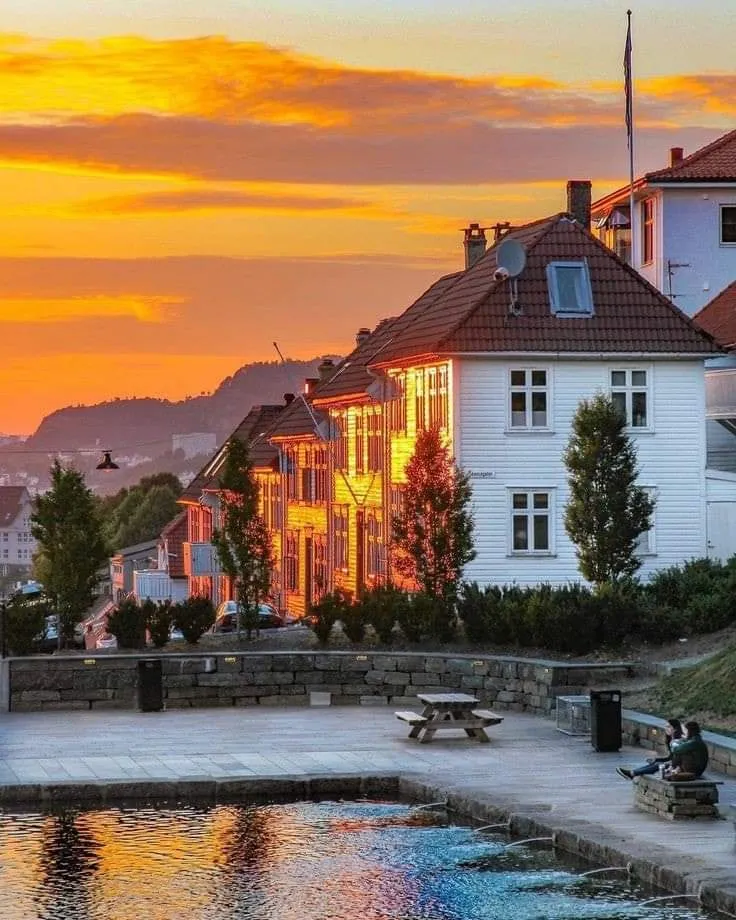
Larvik, a picturesque town located in the Vestfold og Telemark county of Norway, is known for its stunning coastal scenery and rich cultural heritage. The town offers a unique blend of natural beauty and historical significance, making it a captivating destination for both residents and visitors.Larvik's economy is supported by a mix of traditional industries and modern enterprises, with a growing focus on tourism and sustainable development. The town's vibrant community is characterized by a strong sense of local pride and a commitment to preserving its cultural and natural assets.


History and Culture
Larvik has a rich history that dates back to the Viking Age, with archaeological findings indicating its significance as a trading post. The town was officially founded in 1671 by Ulrik Fredrik Gyldenløve, a nobleman who played a crucial role in its early development.
Throughout the centuries, Larvik has been influenced by various cultural movements, contributing to its diverse cultural landscape. The town is home to several historical landmarks, including the Larvik Church and the Herregården Manor, which reflect its architectural heritage.
Cultural institutions such as the Larvik Museum and the Bølgen Culture House play a vital role in promoting the arts and preserving the town's history. Larvik's cultural scene is further enriched by local festivals and events, such as the Stavern Festival, which celebrates music and the arts.
The town's ethnic diversity is reflected in its culinary offerings, with a variety of restaurants serving both traditional Norwegian dishes and international cuisine. This diversity contributes to Larvik's vibrant cultural fabric, making it a welcoming place for people from all walks of life.
Things to do in Larvik
Visitors to Larvik can enjoy a wide range of activities, from exploring its beautiful beaches and coastal trails to visiting historical sites and cultural attractions. The town's proximity to the sea makes it an ideal location for water sports, including sailing and fishing.
Larvik is also known for its natural parks, such as the Bøkeskogen, which is the largest beech forest in Norway and offers scenic walking trails. The town's cultural calendar is filled with events, including the annual Larvik Guitar Festival, which attracts music enthusiasts from around the world.
For those interested in history, the Larvik Museum provides insights into the town's past, while the Herregården Manor offers a glimpse into the life of the Norwegian nobility. Food lovers can explore the local culinary scene, which features fresh seafood and traditional Norwegian dishes.
Quality of Life Rankings


Weather in Larvik
Larvik, Norway experiences a temperate oceanic climate characterized by mild, wet winters and cool, relatively dry summers. The city receives an average annual precipitation of approximately 47 inches (1200 mm), with October being the wettest month, averaging 5.5 inches (140 mm) of rainfall.
Seasonal Breakdown
- Spring (March to May)Temperatures gradually rise from an average high of 41°F (5°C) in March to 59°F (15°C) in May. Rainfall is moderate during this period, with April receiving around 3.5 inches (90 mm) of precipitation.
- Summer (June to August)The warmest months, with average highs ranging from 64°F (18°C) in June to 70°F (21°C) in July. Rainfall decreases during the summer, averaging around 2.8 inches (70 mm) per month.
- Autumn (September to November)Temperatures gradually decrease from an average high of 63°F (17°C) in September to 45°F (7°C) in November. Rainfall increases, with October being the wettest month, averaging 5.5 inches (140 mm).
- Winter (December to February)The coldest period, with average highs ranging from 36°F (2°C) in December to 34°F (1°C) in February. Snowfall is common, especially in January, with an average of 8 inches (200 mm) of snow.
Notable Weather Events
- Occasional snowstorms during winter months.
- Heavy rainfall in October leading to potential flooding.
- Mild heatwaves during July with temperatures occasionally reaching 77°F (25°C).
Larvik's Political Climate
Larvik, a picturesque city located in Norway, is known for its vibrant political climate that reflects the broader political landscape of the country. The city operates under a parliamentary system, with a strong emphasis on democratic governance and civic participation. The political scene in Larvik is characterized by a mix of traditional and progressive values, with a focus on sustainability, social welfare, and community engagement.
Historically, Larvik has been influenced by Norway's social democratic principles, which prioritize equality, social justice, and environmental stewardship. The city is governed by a municipal council, which is responsible for local policy-making and administration. The current political leadership in Larvik is committed to advancing green policies, promoting renewable energy, and enhancing public transportation to reduce carbon emissions.
Larvik has been at the forefront of implementing progressive policies, particularly in areas such as education, healthcare, and social services. The city has also been active in promoting inclusivity and diversity, with initiatives aimed at supporting minority communities and fostering a culture of tolerance and acceptance. These efforts have contributed to Larvik's reputation as a forward-thinking and inclusive city.
The political climate in Larvik significantly influences its economic and social decisions. The city's commitment to sustainability and innovation has attracted investments in green technology and sustainable industries, boosting the local economy. Social policies focused on welfare and equality have also helped to maintain a high quality of life for residents, ensuring that Larvik remains a desirable place to live and work.
Recent political trends in Larvik include a growing emphasis on digitalization and smart city initiatives, aimed at improving public services and enhancing the quality of life for residents. The city has also seen increased political engagement from younger generations, who are actively participating in local governance and advocating for change on issues such as climate action and social justice.
Political Quick Facts
- Voter Turnout78%
- City GovernanceMunicipal Council
- CompositionMajority Social Democrats with representation from Green Party and Conservatives
- Recent Political ChangesIncreased focus on digitalization and smart city projects
- EngagementHigh, with active participation in local governance and community initiatives
- Political ScorecardHigh transparency and governance ratings
- Legislative PrioritiesSustainability and renewable energy Social welfare and inclusivity Digitalization and smart city development
- Public OpinionGenerally progressive with strong support for environmental and social policies
Notable Political Figures
- Kari NordmannCurrent Mayor of Larvik, known for her work on sustainability and green policies.
- Ola HansenCity Council Member and advocate for digitalization and smart city initiatives.
- Ingrid OlsenLocal activist and leader in social justice movements, focusing on inclusivity and diversity.