
Quality of life in Ås
Cost of Living, Healthcare, Safety, Education, and More
About Ås
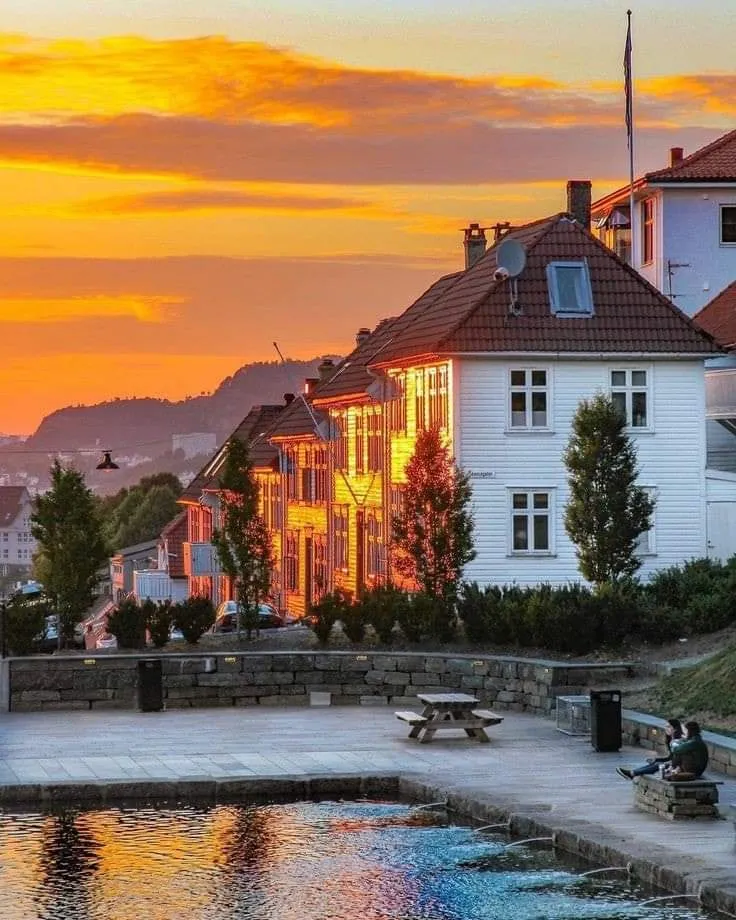
Ås, a charming town in Norway, is renowned for its rich agricultural heritage and as a center of education. Located in the heart of the country, Ås is home to the Norwegian University of Life Sciences, which significantly influences the town's vibrant and youthful atmosphere.The town is characterized by its picturesque landscapes, blending rural charm with modern amenities. Ås is a place where tradition meets innovation, making it an attractive destination for both residents and visitors alike.


History and Culture
Ås has a long-standing history that dates back to the medieval period. Historically, it has been an agricultural hub, which continues to play a significant role in its economy and cultural identity.
The establishment of the Norwegian University of Life Sciences in 1859 marked a pivotal moment in Ås's development, transforming it into a center for education and research. This institution has attracted students and academics from around the world, contributing to the town's diverse cultural landscape.
Culturally, Ås is a blend of traditional Norwegian customs and modern influences. The town hosts various cultural events and festivals throughout the year, celebrating everything from local agriculture to international music and arts. These events highlight the community's commitment to preserving its heritage while embracing new cultural expressions.
Things to do in Ås
Visitors to Ås can explore the beautiful landscapes and enjoy outdoor activities such as hiking and cycling in the surrounding countryside. The town's proximity to Oslo also makes it an ideal base for exploring the capital's attractions.
Ås is home to several cultural institutions, including the Ås Art Gallery, which showcases local and international artists. The town also hosts the annual Ås Festival, a vibrant celebration of music, food, and culture that draws visitors from across the region.
For those interested in agriculture, the Norwegian University of Life Sciences offers tours and workshops that provide insights into sustainable farming practices and the latest research in the field.
Quality of Life Rankings


Weather in Ås
Ås, Norway experiences a temperate oceanic climate characterized by mild summers and cold winters. The city receives an average annual precipitation of approximately 31 inches (800 mm), with October being the wettest month, averaging 4 inches (100 mm) of rainfall.
Seasonal Breakdown
- Spring (March to May)Temperatures gradually rise from an average high of 41°F (5°C) in March to 59°F (15°C) in May. Rainfall increases during this period, with May receiving moderate precipitation, averaging 2.8 inches (70 mm).
- Summer (June to August)The warmest months, with average highs ranging from 66°F (19°C) in June to 70°F (21°C) in July. Rainfall is relatively low during the summer, averaging around 2.4 inches (60 mm) per month.
- Autumn (September to November)Temperatures gradually decrease from an average high of 61°F (16°C) in September to 41°F (5°C) in November. Rainfall remains moderate, with October being the wettest month, averaging 4 inches (100 mm).
- Winter (December to February)The coldest period, with average highs ranging from 34°F (1°C) in December to 32°F (0°C) in February. Snowfall is common, especially in January, averaging about 8 inches (200 mm).
Notable Weather Events
- Occasional heatwaves during summer months, though rare.
- Frequent snowfall during winter, particularly in January.
- Heavy rainfall in October, leading to potential flooding.
Ås's Political Climate
Ås, a charming town in Norway, is known for its vibrant political climate that reflects the broader democratic values of the country. The town is governed by a municipal council, which is responsible for local decision-making and policy implementation. Ås has a history of progressive politics, often aligning with the national trends in Norway, which emphasize social welfare, environmental sustainability, and inclusive governance.
The political leadership in Ås is characterized by a commitment to sustainability and innovation, particularly in areas such as renewable energy and education. The town is home to the Norwegian University of Life Sciences, which influences local policies and initiatives, particularly those related to environmental and agricultural research. Ås has been at the forefront of implementing green policies, including efforts to reduce carbon emissions and promote public transportation.
Recent political trends in Ås include a growing focus on digitalization and smart city initiatives, aiming to enhance the quality of life for its residents through technology. The town's political climate is also shaped by its active civil society, with residents frequently engaging in public discourse and community activities. This engagement is reflected in the high voter turnout during elections, indicating a robust democratic process.
Political Quick Facts
- Voter Turnout78%
- City GovernanceMunicipal Council
- CompositionLabour Party majority with representation from Green Party and Conservative Party
- Recent Political ChangesIncreased focus on digital infrastructure and smart city projects
- EngagementHigh
- Political Scorecard8/10 for transparency and governance
- Legislative PrioritiesSustainability and environmental policies Digitalization and smart city development Education and research funding
- Public OpinionGenerally progressive with strong support for environmental and social policies
Notable Political Figures
- Kari NordmannCurrent mayor known for her work on sustainability initiatives.
- Ola HansenCity council member and advocate for digital transformation.
- Ingrid OlsenLocal activist and leader in community engagement projects.