
Quality of life in Ruwi
Cost of Living, Healthcare, Safety, Education, and More
About Ruwi
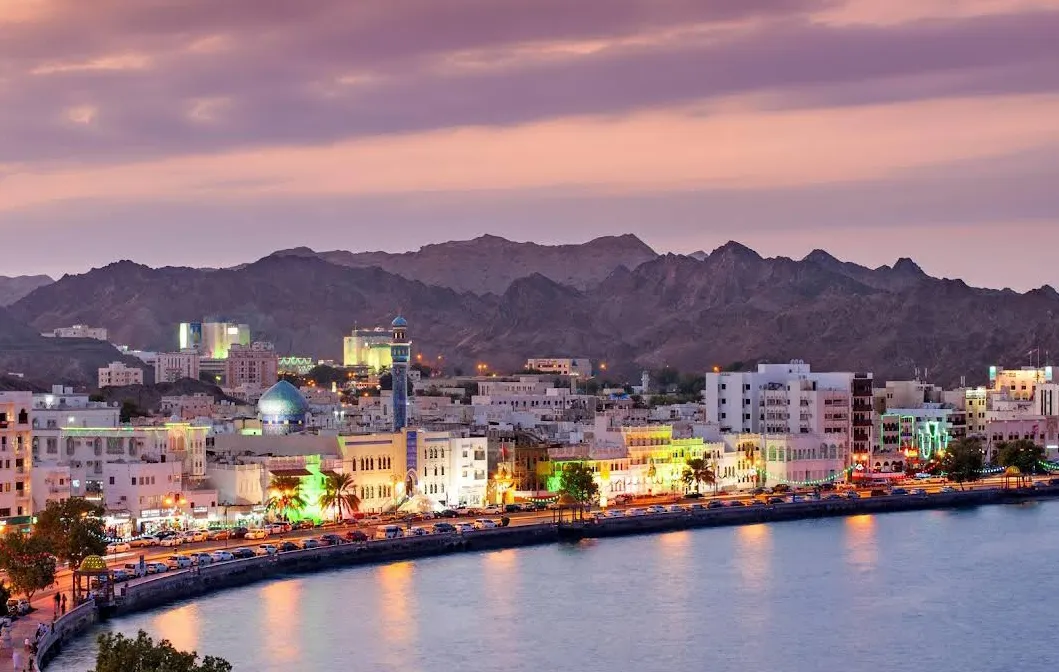
Ruwi, a bustling commercial hub in Oman, is known for its vibrant atmosphere and diverse cultural landscape. As a key district in the capital city of Muscat, Ruwi serves as a central point for business and commerce, attracting both locals and expatriates.The area is characterized by its mix of modern infrastructure and traditional Omani architecture, offering a unique blend of the old and the new. Ruwi's strategic location and its role as a commercial center make it a vital part of Oman's economic landscape.


History and Culture
Ruwi has a rich history that reflects the broader historical narrative of Oman. As part of Muscat, it has been influenced by various cultures and civilizations, including the Persians, Portuguese, and the British, each leaving a distinct mark on the region.
The cultural fabric of Ruwi is woven with the threads of its diverse population. The area is home to a variety of ethnic communities, each contributing to the vibrant cultural tapestry of the district. This diversity is reflected in the local cuisine, festivals, and daily life.
Notable cultural landmarks in Ruwi include the Sultan Qaboos Grand Mosque and the Royal Opera House Muscat, which are key attractions for both residents and tourists. These sites not only serve as cultural and religious centers but also as venues for cultural exchange and artistic expression.
Things to do in Ruwi
Visitors to Ruwi can explore a variety of attractions and activities. The bustling Ruwi Street is a popular destination for shopping, offering everything from traditional Omani goods to modern electronics.
For those interested in history and culture, the nearby National Museum of Oman provides insights into the country's rich heritage. Additionally, the Mutrah Souq, one of the oldest markets in Oman, offers a glimpse into traditional Omani life and is a great place to purchase souvenirs.
Outdoor enthusiasts can enjoy the scenic beauty of the nearby Al Qurum Natural Park, which offers lush greenery and a peaceful escape from the city's hustle and bustle. The park is ideal for picnics, leisurely walks, and family outings.
Quality of Life Rankings
Weather in Ruwi
Ruwi, Oman experiences a hot desert climate characterized by extremely high temperatures during the summer and mild winters. The city receives very little rainfall throughout the year, with the majority of precipitation occurring during the winter months.
Seasonal Breakdown
- Spring (March to May)Temperatures in spring gradually rise from an average high of 86°F (30°C) in March to 104°F (40°C) in May. Rainfall is minimal during this period, with occasional brief showers.
- Summer (June to August)The hottest months, with average highs soaring from 106°F (41°C) in June to 108°F (42°C) in July and August. Rainfall is scarce, and humidity can be high, making the heat feel more intense.
- Autumn (September to November)Temperatures gradually decrease from an average high of 104°F (40°C) in September to 88°F (31°C) in November. Rainfall remains low, with occasional thunderstorms.
- Winter (December to February)The mildest period, with average highs ranging from 77°F (25°C) in December to 79°F (26°C) in February. This is the wettest time of the year, though rainfall is still relatively low, averaging about 1 inch (25 mm) in January.
Notable Weather Events
- Heatwaves during the summer months
- Occasional thunderstorms in autumn
- Brief rain showers in winter
Ruwi's Political Climate
Ruwi, a bustling commercial hub in Oman, is a city that reflects the broader political climate of the country. As part of the capital area of Muscat, Ruwi plays a significant role in the political and economic landscape of Oman. The city is governed under the absolute monarchy of Sultan Haitham bin Tariq, who has been in power since 2020. The political system in Oman is characterized by a blend of traditional governance and modern state structures, with the Sultan holding significant authority over legislative and executive matters.
Historically, Oman has maintained a stable political environment, with Ruwi being no exception. The city has seen a gradual shift towards modernization and economic diversification, aligning with the national Vision 2040 plan. This plan aims to reduce the country's dependency on oil by fostering growth in sectors such as tourism, logistics, and manufacturing. Ruwi, as a commercial center, is pivotal in these efforts, influencing policy directions that support business and infrastructure development.
In recent years, Ruwi has been at the forefront of several progressive initiatives, particularly in sustainability and urban development. The city has implemented policies to enhance public transportation and reduce carbon emissions, reflecting a growing awareness of environmental issues. Social justice and economic reforms are also on the agenda, with efforts to improve living standards and increase employment opportunities for the youth.
The political climate in Ruwi, like much of Oman, is shaped by a balance between maintaining traditional values and embracing modernity. This dual approach influences the city's economic, social, and environmental policies, ensuring that development is both sustainable and culturally sensitive. Recent political events, such as the national dialogue on economic reforms and public consultations on urban planning, highlight the city's commitment to inclusive governance.
Political Quick Facts
- Voter TurnoutN/A (as Oman is an absolute monarchy)
- City GovernanceGoverned under the jurisdiction of Muscat Municipality
- CompositionN/A (as local councils are appointed)
- Recent Political ChangesImplementation of Vision 2040 economic diversification strategies
- EngagementModerate, with increasing public consultations and forums
- Political ScorecardHigh marks for stability and governance
- Legislative PrioritiesEconomic diversification Sustainability and environmental policies Urban development and infrastructure
- Public OpinionGenerally supportive of the Sultan's modernization efforts, with a focus on economic growth and stability
Notable Political Figures
- Sultan Haitham bin TariqThe current Sultan of Oman, leading the country since 2020 with a focus on modernization and economic reform.
- Sayyid Badr bin Hamad bin Hamood Al BusaidiOman's Minister of Foreign Affairs, known for his role in enhancing Oman's diplomatic relations.
- Dr. Ali bin Masoud Al SunaidyFormer Minister of Commerce and Industry, instrumental in driving economic diversification policies.