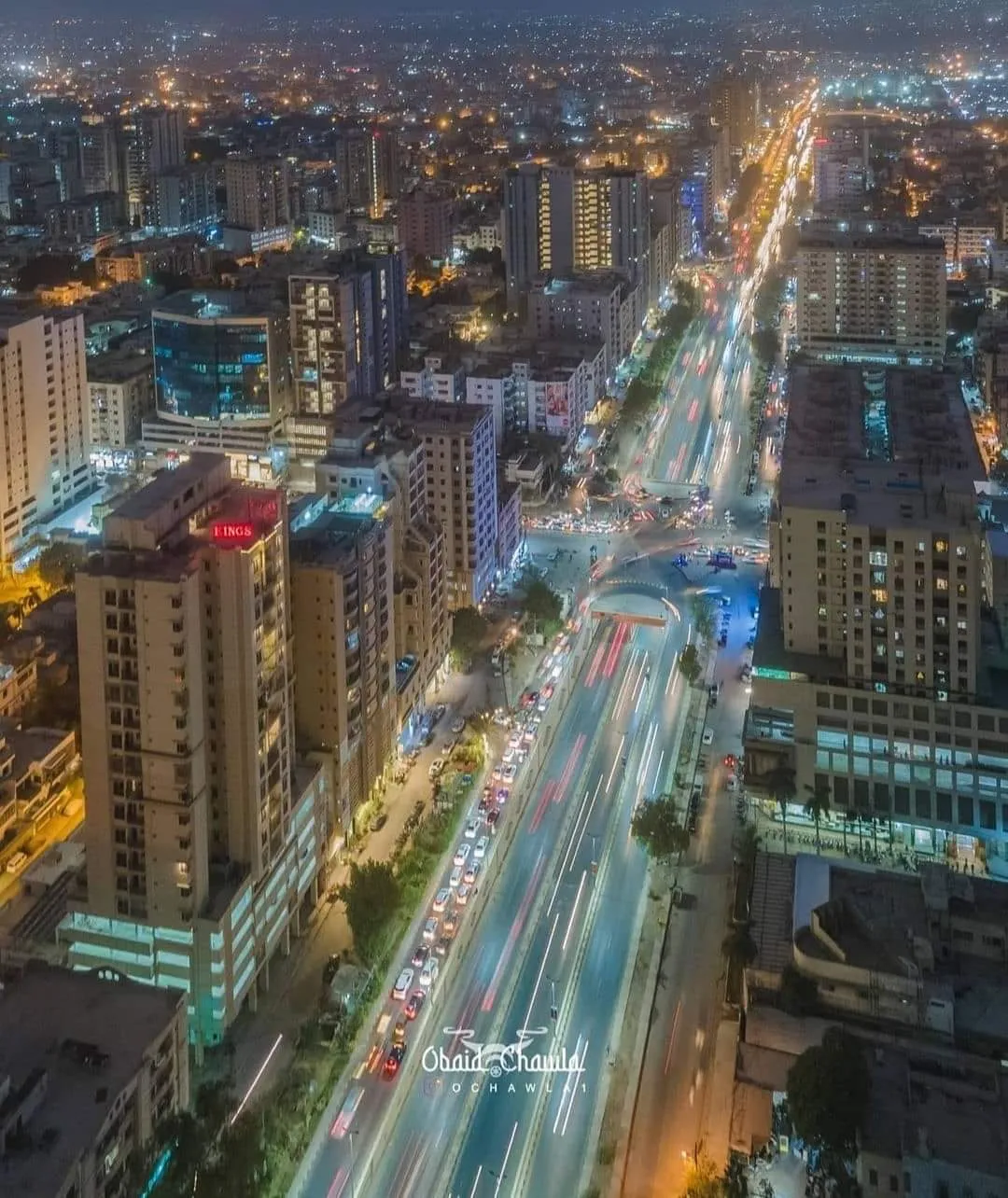
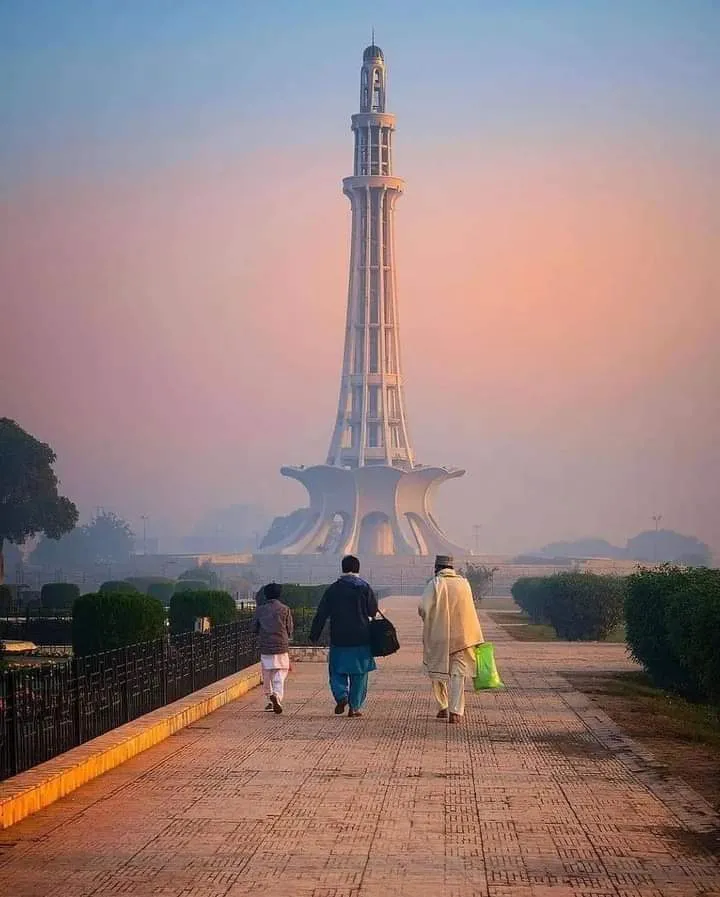
Traffic in Hyderabad
In 2024, Hyderabad's transportation landscape is dominated by walking and bicycling, with a significant portion of the population opting for these eco-friendly modes.Despite the heavy reliance on non-motorized transport, the city faces challenges with high CO2 emissions and traffic inefficiency.Average Commute Times
The average commute time across all modes is approximately 6.6 minutes, with significant contributions from bicycling and walking.
- Walking - For those walking, the average commute time is 10 minutes, covering a distance of 1 km.
Traffic Breakdown
Traffic Data
Overall average travel
Average when primarily using Walking
More Information
Seasonal Trends
Traffic tends to increase during the summer months due to higher pedestrian activity.
Monsoon season can lead to disruptions in walking and bicycling routes, affecting commute times.
Commuter Pain Points
High CO2 emissions remain a concern for environmentally conscious commuters.
Limited public transportation options force reliance on walking and bicycling.
Best Travel Times
Early mornings and late evenings are ideal for avoiding peak pedestrian traffic.
Midday offers the least crowded conditions for bicyclists.
Event Impacts
Public events often lead to increased foot traffic, impacting walking and bicycling routes.
Festivals and cultural events can cause temporary road closures, affecting commute times.
Sustainability Efforts
The city is exploring initiatives to expand green spaces and pedestrian-friendly zones.
Efforts to promote electric bicycles and scooters are underway to reduce emissions.
Ride-Sharing Impact
Ride-sharing services are gradually gaining popularity, offering alternatives to traditional transport.
These services help reduce the number of private vehicles on the road, potentially lowering emissions.