Crime and Pollution in Port Moresby
The following data and statistics on crime, pollution, and overall safety in Port Moresby are derived from a combination of trusted public sources and insights gathered from over 133 user contributions.This comprehensive approach helps provide a balanced view of the city's crime rates, environmental concerns, air quality, and public safety. By aggregating information from government reports, environmental studies, and direct feedback from residents, we aim offer an up-to-date and thorough analysis of key factors impacting quality of life in Port Moresby.Crime Data in Port Moresby
Crime Perception and Concerns
In 2024, Port Moresby's crime landscape is characterized by very high levels of concern among its residents. The city is grappling with a range of serious crime issues that impact the daily lives of its citizens.
Safety is a significant issue in Port Moresby, with heightened fears of crime occurring primarily at night. These concerns are compounded by the perception of increasing crime rates.
Some notable concerns include:
- Property CrimesProperty crimes, including theft and home invasions, are a predominant concern in Port Moresby. Residents feel vulnerable to having their homes and vehicles targeted by criminals, with significant anxiety surrounding these offenses.
- Drug-Related IssuesDrug-related crime is notably problematic in Port Moresby, influencing public perception and contributing to a pervasive sense of insecurity. The presence and impact of drug activity are significant issues within the community.
- Violent CrimesConcerns about violent crimes, such as muggings and physical assaults, are particularly acute. The fear of being victimized violently is a primary concern for the residents, influencing their feelings of safety.
- Public SafetyPort Moresby residents express a profound lack of safety, especially during nighttime. The lack of safety deters public engagement and affects the overall quality of life.
Crime Trends and Safety
- Rising Crime ConcernsThere is a tangible perception that crime is on the rise, adding to the already high levels of public anxiety. This concern necessitates urgent attention from law enforcement and community leaders.
- Specific FearsSpecific fears include being mugged, robbed, or insulted, with additional concerns related to racial, ethnic, or religious victimization. These fears contribute to the heavy burden of stress on the city’s residents.
Crime Rankings
Port Moresby ranks 1st on the Crime rankings in Papua New Guinea.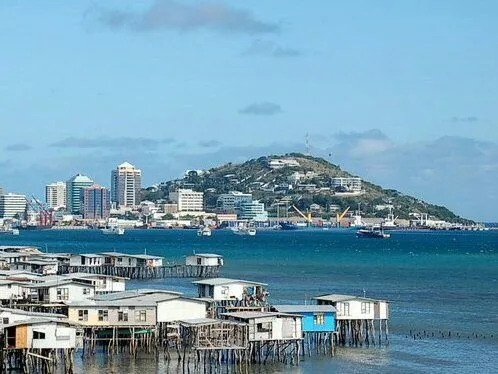
Pollution Data in Port Moresby
Air Quality and Pollution Levels
Port Moresby struggles with considerable pollution challenges, adversely affecting the city's environment and residents' quality of life. Air quality issues are notable, accentuated by the poor management of industrial emissions.
The city's air quality remains troubling, as concerns about pollutants persist, impacting health and well-being.
- PM2.5 (Fine Particulate Matter)While PM2.5 levels are measured at zero, underlying issues with air cleanliness indicate potential measurement discrepancies or localized pollution that affect air quality perceptions.
- PM10 (Coarse Particulate Matter)Similarly, PM10 levels are reported at zero, but the perception of poor air quality suggests potential broader environmental challenges not captured in these metrics.
Waste and Noise Pollution
Waste management is a critical issue in Port Moresby, with residents expressing strong dissatisfaction with garbage disposal services. This mismanagement contributes significantly to the city's pollution problems.
Noise pollution is moderate, adding to the environmental stressors impacting resident life, though it is less pronounced than other pollution issues.
- Garbage Disposal SatisfactionThere is a significant dissatisfaction with garbage disposal methods, with residents citing inefficiencies and the negative impact on neighborhood cleanliness.
- Noise and Light PollutionNoise pollution remains a moderate problem, primarily affecting those in bustling urban areas. The level of noise, although not extreme, is a considerable nuisance.
Green Spaces and Water Quality
Green spaces within Port Moresby are lacking, with poor quality contributing to the city's overall environmental score. This deficiency affects residents' opportunities for recreation and relaxation.
Drinking water quality and accessibility are also below desired standards, with residents expressing concern about water pollution and the need for improvements.
- Green and Parks QualityThe quality of green spaces in Port Moresby is low, with many residents noting the need for better maintenance and more accessible recreational areas.
- Drinking Water QualityConcerns about drinking water quality are pronounced, with issues regarding accessibility and cleanliness affecting overall community health and satisfaction.