Quality of life in Punta Negra
Cost of Living, Healthcare, Safety, Education, and More
About Punta Negra
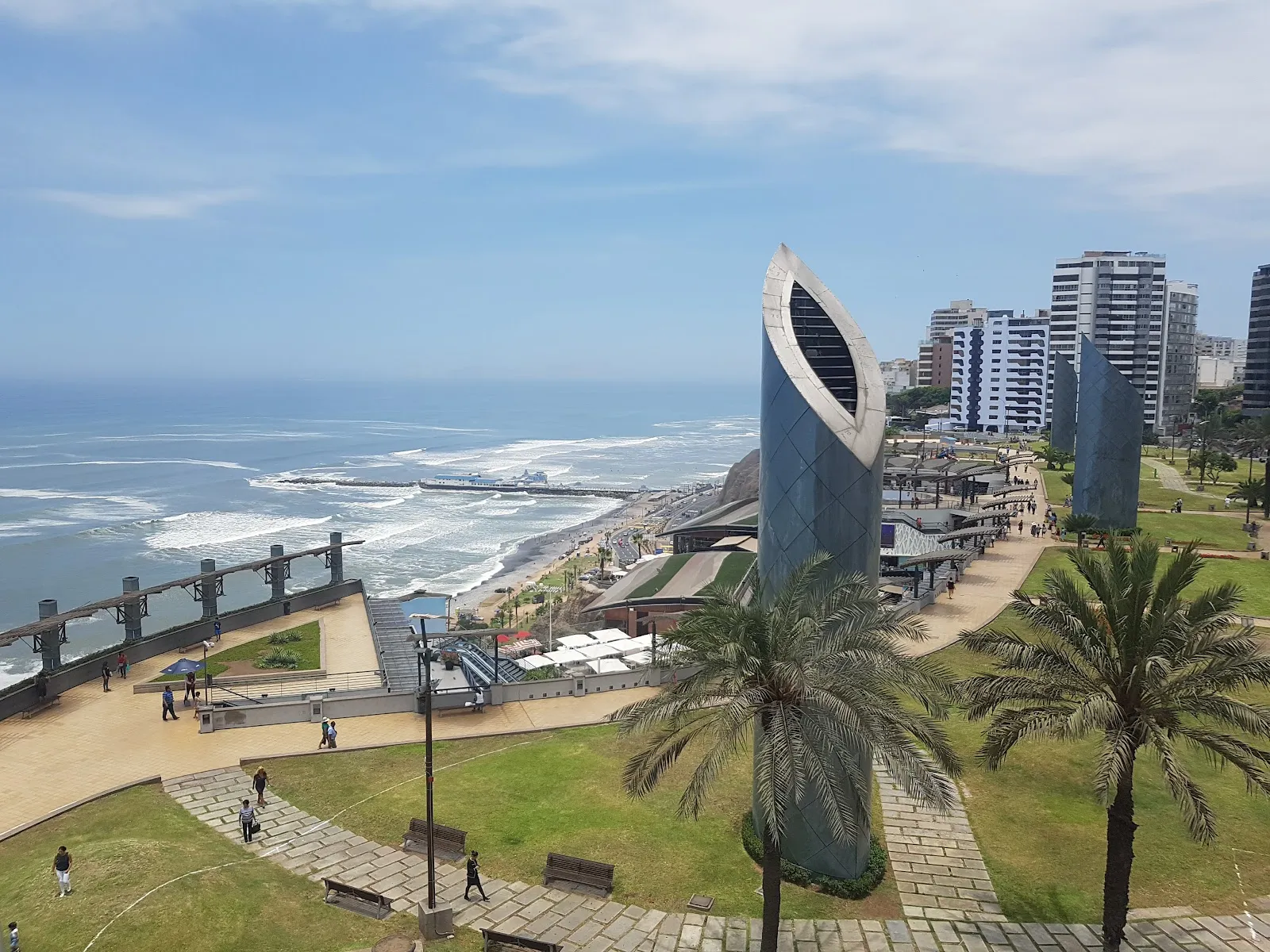
Punta Negra, a charming coastal district in Peru, is renowned for its stunning beaches and vibrant local culture. Located just south of Lima, it offers a perfect blend of relaxation and adventure, making it a popular destination for both locals and tourists. The district is known for its laid-back atmosphere, which is complemented by a thriving surfing scene and a variety of outdoor activities.In recent years, Punta Negra has seen a surge in tourism, driven by its picturesque landscapes and the warm hospitality of its residents. The local economy benefits significantly from this influx, with numerous businesses catering to the needs of visitors. Emerging trends in eco-tourism and sustainable travel are also taking root, as the community strives to preserve its natural beauty while accommodating growth.History and Culture
Punta Negra's history is deeply intertwined with the coastal traditions of Peru. Originally a small fishing village, it has grown over the decades into a vibrant community that still retains its traditional charm. The district's development was significantly influenced by its proximity to Lima, which brought increased accessibility and economic opportunities.
Culturally, Punta Negra is a melting pot of influences, with a rich tapestry of traditions that reflect the diverse backgrounds of its inhabitants. The local culture is celebrated through various festivals and events, which showcase traditional music, dance, and cuisine. Notable cultural landmarks include the beautiful beachfront areas and local markets, where visitors can experience the authentic lifestyle of the region.
The community places a strong emphasis on preserving its cultural heritage, with efforts to maintain traditional practices and support local artisans. This commitment to cultural preservation is evident in the numerous art and craft workshops available to both residents and visitors.
Things to do in Punta Negra
Punta Negra offers a wide array of activities for visitors to enjoy. The district is famous for its pristine beaches, which are ideal for sunbathing, swimming, and surfing. Surfing enthusiasts will find excellent waves, particularly during the summer months, making it a hotspot for both amateur and professional surfers.
Beyond the beaches, Punta Negra hosts several cultural events throughout the year, including music festivals and traditional celebrations that provide a glimpse into the local way of life. Visitors can also explore the local cuisine, with numerous restaurants offering fresh seafood and traditional Peruvian dishes.
For those interested in outdoor adventures, the surrounding areas offer opportunities for hiking and exploring the natural landscapes. Eco-tourism is on the rise, with guided tours available to showcase the region's unique flora and fauna.
Quality of Life Rankings
Weather in Punta Negra
Punta Negra, Peru experiences a desert climate characterized by mild temperatures and very low annual precipitation. The city has two main seasons: a warm season and a cooler season, with temperatures remaining relatively stable throughout the year. The average annual precipitation is approximately 0.5 inches (12.7 mm), with February being the wettest month, averaging about 0.1 inches (2.5 mm) of rainfall.
Seasonal Breakdown
- Spring (September to November)Temperatures gradually rise from an average high of 70°F (21°C) in September to 74°F (23°C) in November. Rainfall is minimal during this period, averaging less than 0.1 inches (2.5 mm) per month.
- Summer (December to February)The warmest months, with average highs ranging from 75°F (24°C) in December to 77°F (25°C) in February. Rainfall remains very low, with February being the wettest month, averaging about 0.1 inches (2.5 mm).
- Autumn (March to May)Temperatures gradually decrease from an average high of 76°F (24°C) in March to 72°F (22°C) in May. Rainfall is negligible, averaging less than 0.1 inches (2.5 mm) per month.
- Winter (June to August)The coolest period, with average highs ranging from 68°F (20°C) in June to 70°F (21°C) in August. Rainfall is almost nonexistent, averaging less than 0.1 inches (2.5 mm) per month.
Notable Weather Events
- Occasional coastal fog during the cooler months.
- Rare instances of light drizzle in February.
Punta Negra's Political Climate
Punta Negra, a coastal district in Peru, is known for its vibrant political climate that reflects the broader national trends. The district is governed by a local municipal council, which is responsible for making decisions on urban planning, local infrastructure, and community services. The political landscape in Punta Negra is characterized by a mix of traditional and progressive ideologies, with a strong emphasis on community involvement and sustainable development.
Historically, Punta Negra has been influenced by the political dynamics of Lima, given its proximity to the capital. The district has seen a shift towards more progressive policies in recent years, focusing on environmental sustainability and social equity. The local government has implemented initiatives aimed at reducing carbon emissions and promoting renewable energy sources, reflecting a commitment to addressing climate change.
The political leadership in Punta Negra is currently focused on enhancing public services and improving the quality of life for its residents. Key issues include urban development, public transportation, and access to education and healthcare. The district has also been active in promoting social justice initiatives, including efforts to improve gender equality and support marginalized communities.
Recent political events in Punta Negra have included local movements advocating for greater transparency and accountability in government. These movements have been instrumental in shaping the district's policy directions and have led to increased political engagement among residents. The political climate in Punta Negra continues to evolve, with a growing emphasis on participatory governance and civic activism.
Political Quick Facts
- Voter Turnout68%
- City GovernanceMunicipal council with a mayor-council system
- CompositionMajority progressive, with representation from traditional parties
- Recent Political ChangesIncreased focus on environmental policies and social justice initiatives
- EngagementHigh, with active community participation in local governance
- Political ScorecardB+ for governance and transparency
- Legislative PrioritiesSustainability and environmental protection Social equity and justice Infrastructure development
- Public OpinionGenerally progressive, with strong support for environmental and social policies
Notable Political Figures
- Maria LopezCurrent mayor known for her environmental advocacy and community engagement.
- Carlos RamirezCity council member focused on urban development and public transportation.
- Ana TorresLocal activist and leader in social justice movements.
- Jorge FernandezFormer mayor who initiated key infrastructure projects.
- Lucia VegaYouth leader and advocate for educational reform.