
Quality of life in Olsztyn
Cost of Living, Healthcare, Safety, Education, and More
About Olsztyn
Olsztyn, the capital of the Warmian-Masurian Voivodeship in Poland, is a city that beautifully blends historical charm with modern vibrancy. Known for its picturesque landscapes, Olsztyn is surrounded by lakes and forests, making it a haven for nature lovers. The city is also a cultural hub, with a rich history that dates back to the 14th century.In recent years, Olsztyn has seen a surge in tourism, thanks to its unique blend of historical sites and natural beauty. The city is also becoming known for its emerging tech industry, which is attracting young professionals and fostering economic growth. With a lively arts scene and numerous festivals, Olsztyn offers a dynamic lifestyle for both residents and visitors.


History and Culture
Olsztyn's history is deeply rooted in the medieval era, with its founding in 1353. The city played a significant role during the Teutonic Order's reign, and its Gothic architecture is a testament to this period. The Olsztyn Castle, once home to the famous astronomer Nicolaus Copernicus, is a key historical landmark that attracts many visitors.
Throughout the centuries, Olsztyn has been influenced by various cultures, including German and Polish, which is reflected in its diverse architectural styles and cultural traditions. The city has a vibrant cultural scene, with numerous museums, galleries, and theaters that celebrate its rich heritage.
Olsztyn is also known for its ethnic diversity, with communities that have contributed to its cultural fabric. The city's annual festivals, such as the Olsztyn Green Festival and the Kortowiada student festival, showcase its cultural vibrancy and attract visitors from all over Poland and beyond.
Things to do in Olsztyn
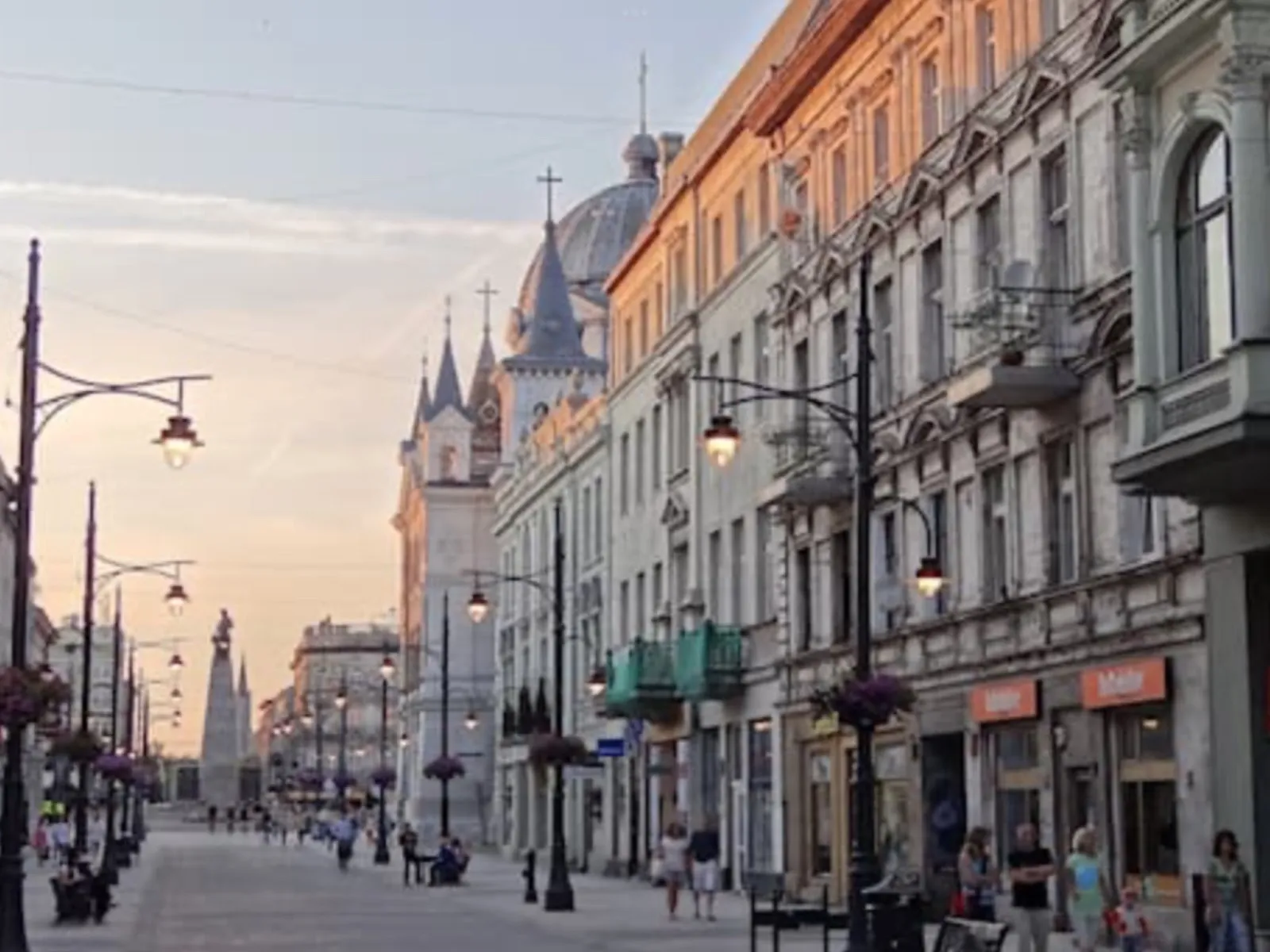
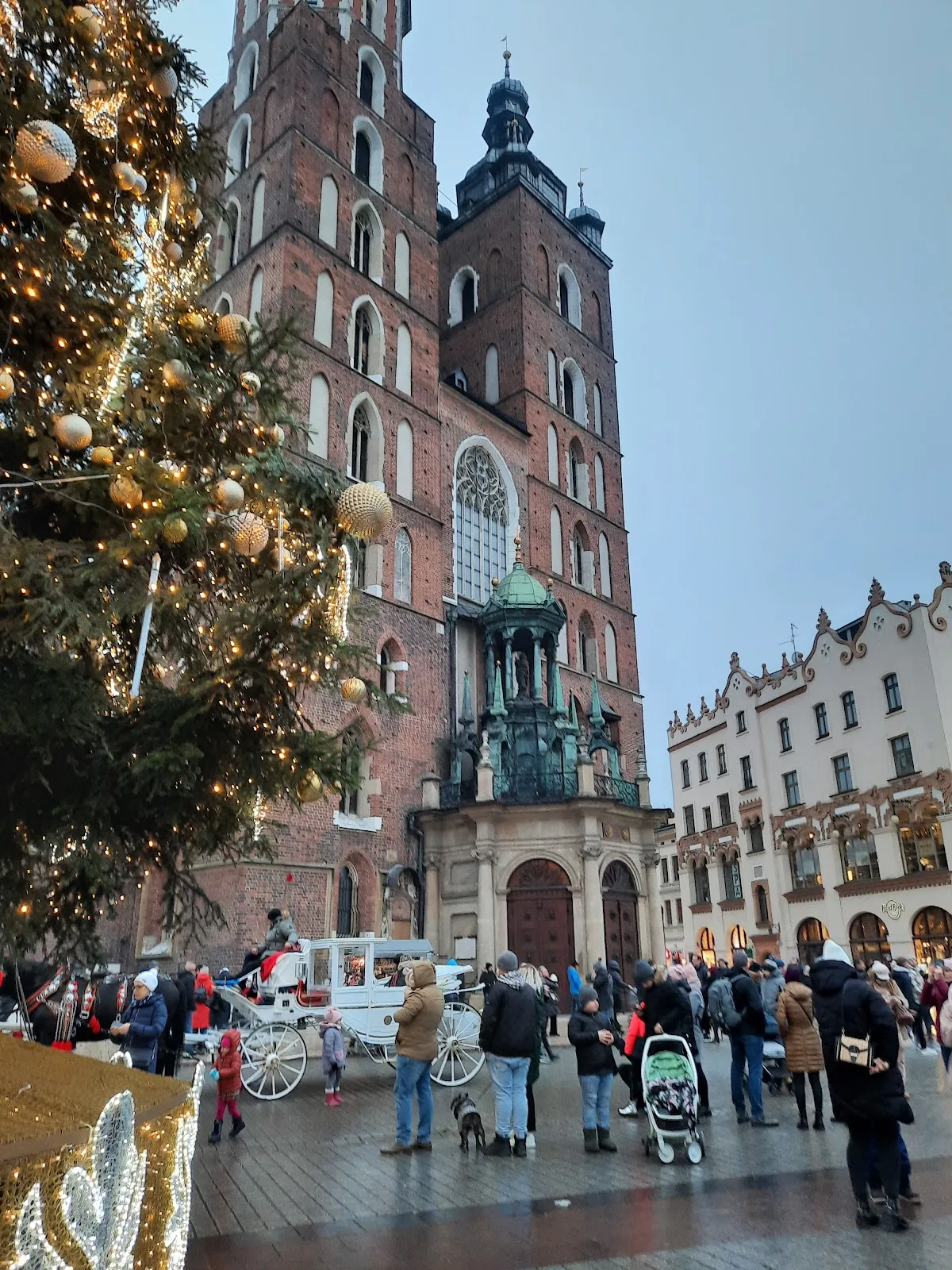
Olsztyn offers a wide range of activities for visitors and locals alike. The city's Old Town is a must-visit, with its charming cobblestone streets, historic buildings, and vibrant cafes. The Olsztyn Castle, with its museum and art exhibitions, provides a glimpse into the city's rich history.
For nature enthusiasts, Olsztyn is surrounded by beautiful lakes and forests, perfect for hiking, cycling, and water sports. The Ukiel Lake is a popular spot for sailing and kayaking, while the nearby forests offer scenic trails for outdoor adventures.
Cultural events are abundant in Olsztyn, with the Olsztyn Green Festival and the Kortowiada student festival being highlights of the city's event calendar. These festivals feature live music, art installations, and local cuisine, providing a taste of the city's vibrant cultural scene.
Quality of Life Rankings
Weather in Olsztyn
Olsztyn, Poland experiences a humid continental climate characterized by cold, snowy winters and warm, mild summers. The city receives an average annual precipitation of approximately 24 inches (600 mm), with July being the wettest month, averaging around 3.5 inches (90 mm) of rainfall.
Seasonal Breakdown
- Spring (March to May)Temperatures gradually rise from an average high of 42°F (6°C) in March to 64°F (18°C) in May. Rainfall increases during this period, with May receiving the most precipitation, averaging around 2.5 inches (65 mm).
- Summer (June to August)The warmest months, with average highs ranging from 70°F (21°C) in June to 75°F (24°C) in July. Rainfall is relatively high, averaging around 3 inches (75 mm) per month, with July being the wettest month.
- Autumn (September to November)Temperatures gradually decrease from an average high of 64°F (18°C) in September to 41°F (5°C) in November. Rainfall remains moderate, averaging around 2 inches (50 mm) per month.
- Winter (December to February)The coldest period, with average highs ranging from 32°F (0°C) in December to 30°F (-1°C) in February. Snowfall is common, especially in January, averaging about 8 inches (200 mm) of snow.
Notable Weather Events
- Heavy snowfall during winter months, particularly in January.
- Occasional summer thunderstorms, especially in July.
- Cold snaps in late autumn and early spring.
Olsztyn's Political Climate
Olsztyn, the capital of the Warmian-Masurian Voivodeship in Poland, is a city with a rich political history and a dynamic contemporary political climate. Governed by a mayor-council system, the city has traditionally leaned towards centrist and left-leaning political parties, reflecting the broader political trends of the region. The city's governance is characterized by a focus on sustainable development, with policies aimed at enhancing green spaces and promoting eco-friendly urban planning.
Historically, Olsztyn has been a hub for political activity in northern Poland, with a strong tradition of civic engagement and public discourse. The current political leadership is focused on addressing key issues such as economic development, infrastructure improvement, and social welfare. Recent years have seen a push towards digital transformation and innovation, aligning with Poland's national agenda for technological advancement.
Olsztyn has been at the forefront of implementing progressive policies, particularly in the areas of environmental sustainability and social justice. The city has launched several initiatives aimed at reducing carbon emissions and increasing the use of renewable energy sources. Additionally, there is a strong emphasis on social inclusion, with programs designed to support marginalized communities and enhance public services.
The political climate in Olsztyn significantly influences its economic and social policies. The city's leadership is committed to fostering a business-friendly environment while ensuring that growth is inclusive and sustainable. This balance is reflected in the city's legislative priorities, which include enhancing public transportation, improving healthcare services, and promoting cultural heritage.
Recent political trends in Olsztyn include a growing interest in participatory governance, with local movements advocating for greater transparency and citizen involvement in decision-making processes. This has led to increased political engagement among residents, who are actively participating in public consultations and local elections.
Political Quick Facts
- Voter Turnout65%
- City GovernanceMayor-council system
- CompositionMajority centrist with a significant left-leaning minority
- Recent Political ChangesIncreased focus on digital transformation and public participation
- EngagementHigh, with active civic participation and public consultations
- Political ScorecardHigh marks for transparency and governance
- Legislative PrioritiesEnhancing public transportation Improving healthcare services Promoting cultural heritage
- Public OpinionGenerally progressive, with strong support for environmental and social policies
Notable Political Figures
- Piotr GrzymowiczCurrent Mayor of Olsztyn, known for his focus on sustainable urban development.
- Anna WasilewskaLocal council member and advocate for social justice and education reform.
- Krzysztof KacprzyckiProminent political figure in Olsztyn, known for his work on digital innovation and transparency.