
Quality of life in Almancil
Cost of Living, Healthcare, Safety, Education, and More
About Almancil
Almancil, located in the Algarve region of Portugal, is a charming town known for its blend of traditional Portuguese culture and modern amenities. It serves as a gateway to some of the most luxurious resorts and golf courses in the country, attracting visitors from around the world. The town is characterized by its picturesque landscapes, vibrant local markets, and a welcoming community that embraces both its historical roots and contemporary developments.In recent years, Almancil has seen a surge in popularity due to its strategic location near the coast and its proximity to Faro Airport. This has led to a growth in tourism and real estate, making it a desirable destination for both short-term visitors and long-term residents. The town's culinary scene is also noteworthy, offering a variety of dining experiences that highlight the rich flavors of Portuguese cuisine.


History and Culture
Almancil's history is deeply intertwined with the broader history of the Algarve region. Originally a small rural village, it has grown significantly over the centuries, particularly after the development of nearby luxury resorts such as Quinta do Lago and Vale do Lobo. These developments have brought economic prosperity and cultural diversity to the area.
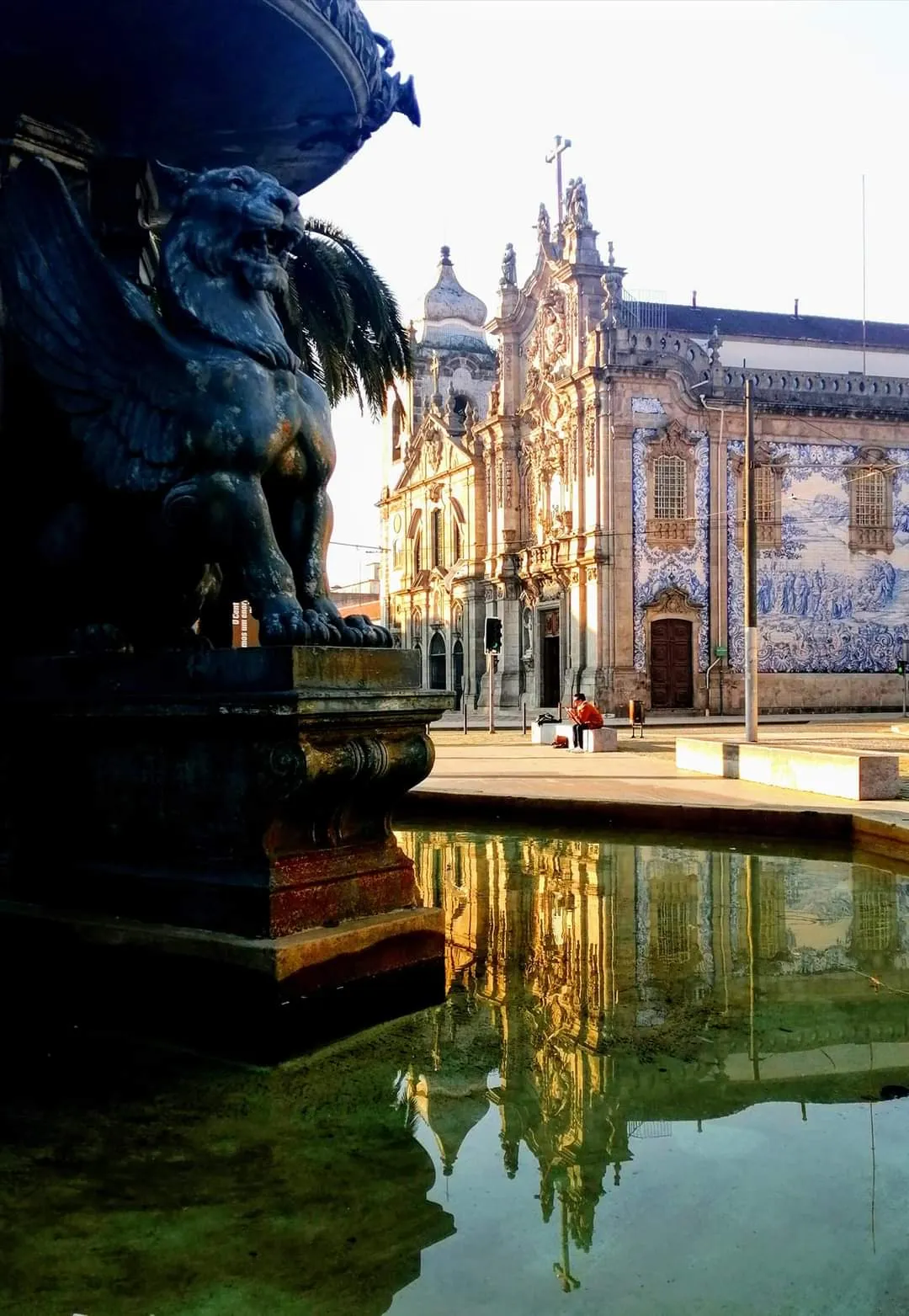
The town is home to the Church of São Lourenço, a stunning example of Baroque architecture renowned for its beautiful azulejo tiles depicting scenes from the life of Saint Lawrence. This church is a testament to the town's rich cultural heritage and is a must-visit for anyone interested in history and art.
Culturally, Almancil is a melting pot, with influences from various parts of Europe due to its international community. The town hosts several cultural events throughout the year, including traditional Portuguese festivals that celebrate local customs and traditions. These events provide a glimpse into the vibrant cultural life of Almancil and offer opportunities for both locals and visitors to engage with the community.
Things to do in Almancil
Almancil offers a wide range of activities and attractions for visitors. Golf enthusiasts can enjoy world-class courses at Quinta do Lago and Vale do Lobo, which are among the best in Europe. These courses not only offer challenging play but also stunning views of the surrounding landscapes.
For those interested in exploring the natural beauty of the Algarve, Almancil is ideally located near several beautiful beaches, such as Praia de Ancão and Praia do Garrão. These beaches are perfect for sunbathing, swimming, and enjoying the picturesque coastal scenery.
The town's culinary scene is another highlight, with numerous restaurants offering traditional Portuguese dishes as well as international cuisine. Visitors can indulge in local specialties such as cataplana, a seafood stew, or enjoy a glass of fine Portuguese wine at one of the many charming eateries.
Almancil also hosts a variety of local markets and shops where visitors can purchase handmade crafts, local produce, and unique souvenirs. These markets provide a great opportunity to experience the local culture and support the community's artisans.
Quality of Life Rankings
Weather in Almancil
Almancil, Portugal experiences a Mediterranean climate characterized by hot, dry summers and mild, wet winters. The city receives an average annual precipitation of approximately 20 inches (500 mm), with December being the wettest month, averaging around 3.5 inches (90 mm) of rainfall.
Seasonal Breakdown
- Spring (March to May)Temperatures gradually rise from an average high of 64°F (18°C) in March to 75°F (24°C) in May. Rainfall decreases during this period, with March receiving the most precipitation, averaging around 2 inches (50 mm).
- Summer (June to August)The hottest months, with average highs ranging from 82°F (28°C) in June to 86°F (30°C) in July and August. Rainfall is minimal during the summer, averaging around 0.4 inches (10 mm) per month.
- Autumn (September to November)Temperatures gradually decrease from an average high of 81°F (27°C) in September to 66°F (19°C) in November. Rainfall increases, especially in November, averaging around 3 inches (75 mm).
- Winter (December to February)The coldest period, with average highs ranging from 61°F (16°C) in December to 59°F (15°C) in February. Rainfall is at its peak in December, averaging about 3.5 inches (90 mm).
Notable Weather Events
- Occasional heatwaves during the summer months.
- Heavy rainfall events in winter, particularly in December.
- Rare frost occurrences in the coldest winter nights.
Almancil's Political Climate
Almancil, a charming town in the Algarve region of Portugal, is known for its vibrant political climate that reflects both local and national influences. As part of the Loulé municipality, Almancil is governed by a local council that aligns with the broader political trends of the Algarve. The region has traditionally leaned towards the Socialist Party, which is currently the dominant political force in the area. This political affiliation is evident in the town's focus on social welfare, economic development, and sustainable tourism.
The political history of Almancil is intertwined with the broader narrative of Portugal's democratic evolution post-1974 Carnation Revolution. The town has seen a steady progression towards more inclusive and participatory governance. Current political leadership in Almancil is focused on addressing key issues such as urban development, environmental sustainability, and enhancing public services. The town has been proactive in implementing progressive policies, particularly in the areas of renewable energy and waste management, reflecting a commitment to sustainability.
Almancil's political climate significantly influences its economic and social decisions. The emphasis on sustainable tourism has led to policies that balance economic growth with environmental preservation. Social justice initiatives are also a priority, with efforts to improve public transportation and housing. Recent political trends in Almancil include a growing interest in digital governance and increased civic engagement, as residents become more involved in local decision-making processes.
Political Quick Facts
- Voter Turnout65%
- City GovernanceMunicipal council under Loulé municipality
- CompositionMajority Socialist Party with representation from Social Democratic Party
- Recent Political ChangesIncreased focus on digital governance and public service improvements
- EngagementHigh, with active participation in local governance and community initiatives
- Political ScorecardHigh marks for transparency and public service delivery
- Legislative PrioritiesSustainable urban development Enhancement of public services Promotion of renewable energy
- Public OpinionGenerally progressive, with strong support for environmental and social policies
Notable Political Figures
- Vítor AleixoMayor of Loulé, known for his focus on sustainable development and public welfare.
- Ana MachadoLocal councilor advocating for improved public transportation and housing policies.
- Carlos Silva e SousaFormer mayor remembered for his contributions to tourism and economic growth.