
Quality of life in Buzau
Cost of Living, Healthcare, Safety, Education, and More
About Buzau
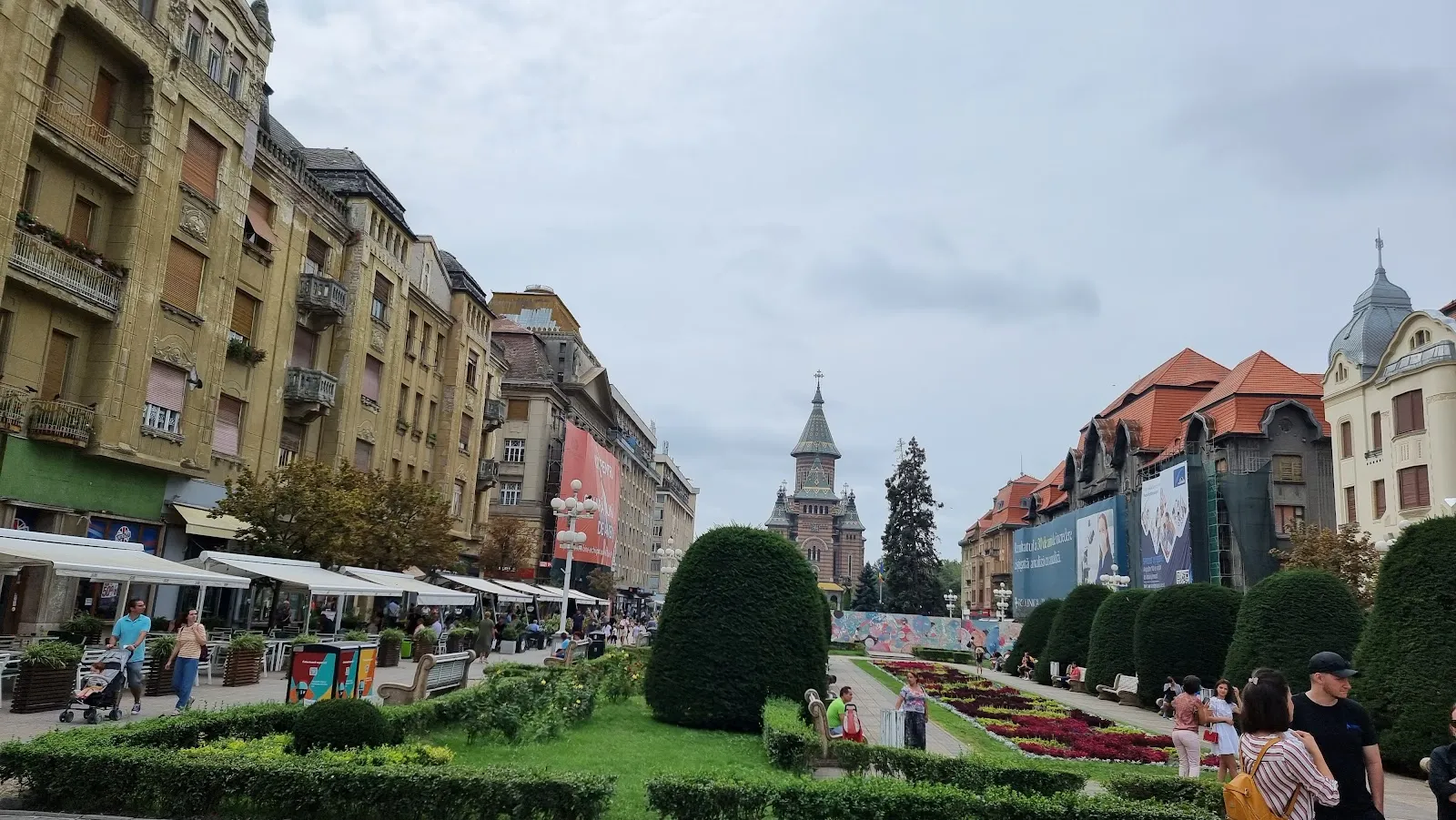
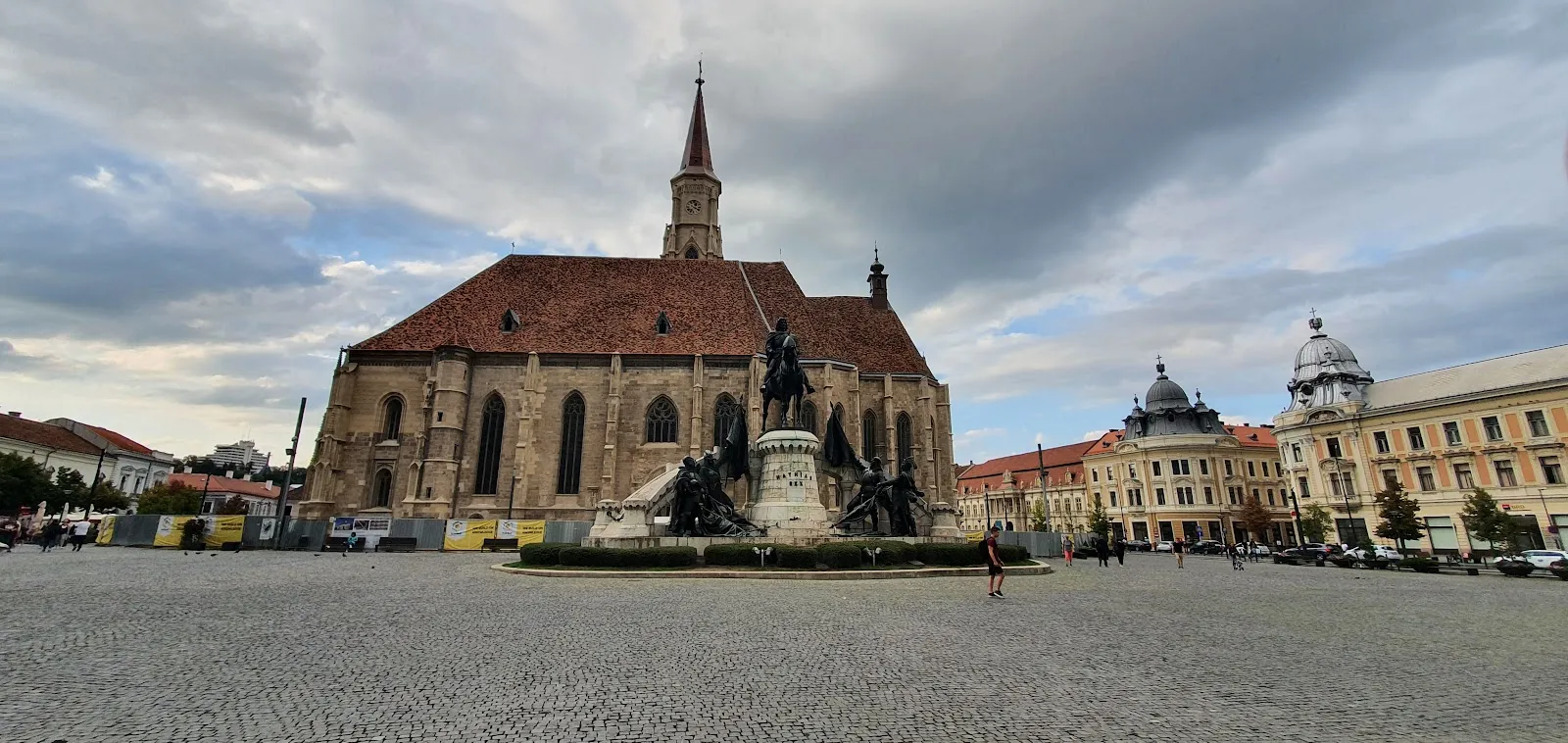
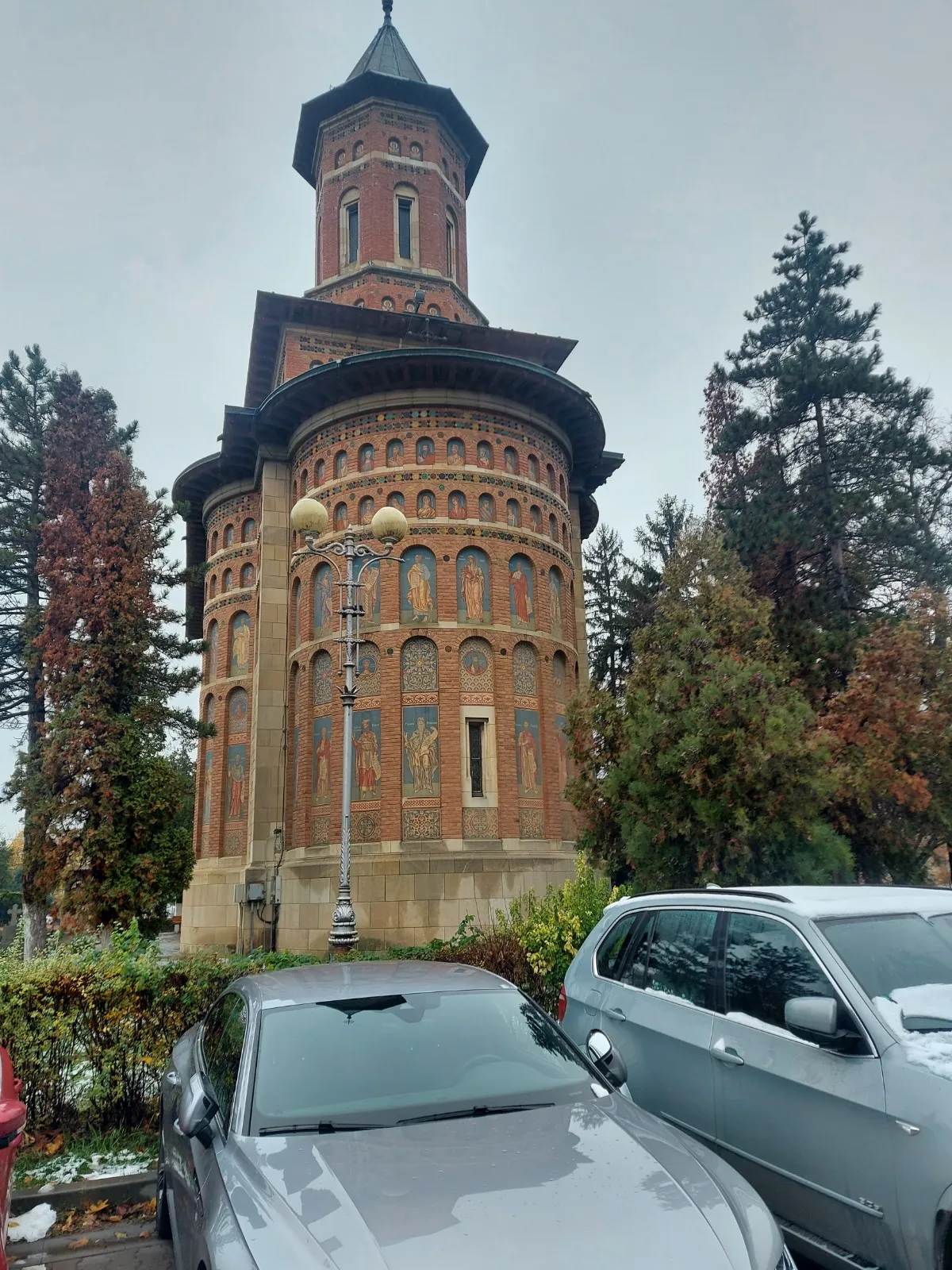
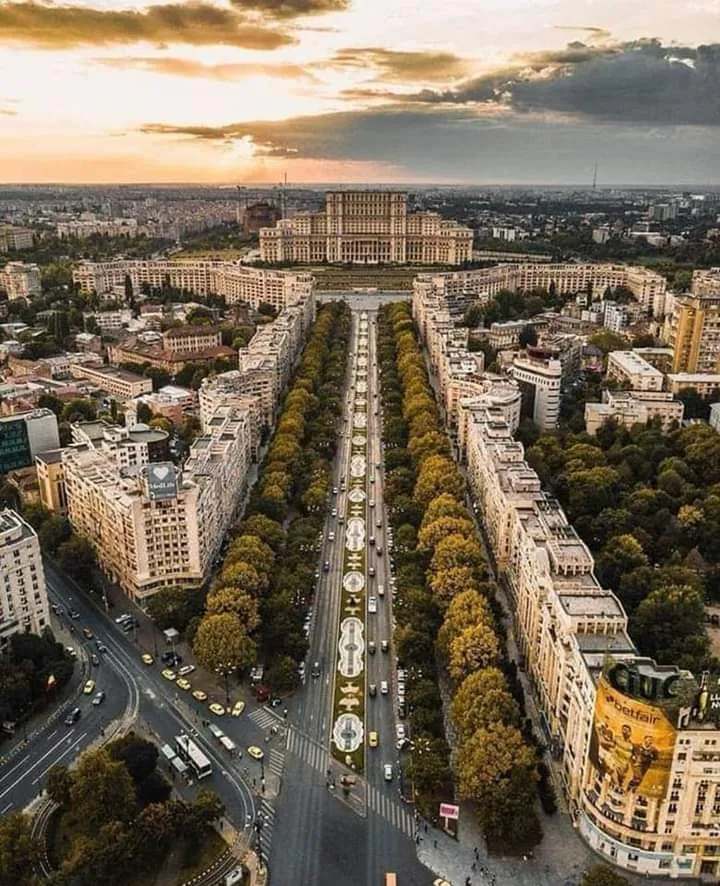
Buzau, a charming city in Romania, is known for its rich cultural heritage and vibrant community life. Nestled in the southeastern part of the country, Buzau serves as a gateway to the picturesque Carpathian Mountains and the lush vineyards of the region. The city is a blend of historical charm and modern development, offering a unique lifestyle to its residents and visitors.In recent years, Buzau has seen a surge in tourism, thanks to its strategic location and the development of local attractions. The city is also becoming a hub for small businesses and startups, contributing to its growing economy. With a focus on sustainability and community development, Buzau is poised to become a leading city in Romania's economic landscape.


History and Culture
Buzau's history dates back to ancient times, with archaeological evidence suggesting settlements in the area as early as the Neolithic period. The city gained prominence during the medieval era as a significant trade center due to its strategic location on the trade routes between Transylvania and the Danube ports.
Throughout its history, Buzau has been influenced by various cultures, including the Romans, Ottomans, and Austro-Hungarians, each leaving a distinct mark on the city's architecture and cultural practices. The city is home to several historical landmarks, such as the Buzau County Museum and the Crang Park, which offer insights into its rich past.
Culturally, Buzau is known for its vibrant arts scene, with numerous festivals and events celebrating local traditions and contemporary arts. The city hosts the annual Buzau International Arts Festival, attracting artists and performers from around the world. The diverse ethnic communities in Buzau contribute to a rich tapestry of cultural expressions, from traditional Romanian music and dance to modern art installations.
Things to do in Buzau
Visitors to Buzau can explore a variety of attractions and activities that showcase the city's natural beauty and cultural heritage. Crang Park, one of the largest urban parks in Romania, offers a serene escape with its lush greenery and tranquil lakes. It's a perfect spot for picnics, leisurely walks, and outdoor sports.
For those interested in history, the Buzau County Museum provides a comprehensive look at the region's past, featuring exhibits on archaeology, ethnography, and art. The nearby Muddy Volcanoes, a unique geological phenomenon, offer an exciting day trip for nature enthusiasts.
Buzau's culinary scene is a delightful mix of traditional Romanian dishes and modern cuisine. Local restaurants and cafes serve everything from hearty stews and grilled meats to innovative dishes using locally sourced ingredients. The city's wine region is also worth exploring, with several vineyards offering tours and tastings of their finest wines.
Quality of Life Rankings
Weather in Buzau
Buzau, Romania experiences a temperate continental climate characterized by distinct seasons, with hot summers and cold winters. The city receives an average annual precipitation of approximately 23 inches (580 mm), with June being the wettest month, averaging 3.5 inches (90 mm) of rainfall.
Seasonal Breakdown
- Spring (March to May)Temperatures gradually rise from an average high of 50°F (10°C) in March to 70°F (21°C) in May. Rainfall increases during this period, with May receiving the most precipitation, averaging 2.8 inches (70 mm).
- Summer (June to August)The hottest months, with average highs ranging from 78°F (26°C) in June to 86°F (30°C) in July. Rainfall decreases during the summer, averaging around 2.4 inches (60 mm) per month.
- Autumn (September to November)Temperatures gradually decrease from an average high of 75°F (24°C) in September to 50°F (10°C) in November. Rainfall remains moderate, averaging around 2.6 inches (65 mm) per month.
- Winter (December to February)The coldest period, with average highs ranging from 37°F (3°C) in December to 36°F (2°C) in February. Snowfall is moderate, averaging about 4 inches (100 mm) in January.
Notable Weather Events
- Occasional heatwaves during summer months.
- Snowfall and cold snaps during winter.
- Thunderstorms are common in late spring and early summer.
Buzau's Political Climate
Buzău, a city in Romania, is characterized by a dynamic political climate that reflects both its historical roots and contemporary challenges. As a part of Romania, Buzău operates under a democratic framework, with local governance playing a crucial role in shaping its political landscape. The city is governed by a mayor-council system, where the mayor is the executive head, and the city council is responsible for legislative functions.
Historically, Buzău has been influenced by Romania's broader political shifts, transitioning from a communist regime to a democratic society in the late 20th century. This transition has significantly impacted the city's political affiliations and policy directions. Currently, the city is led by a mayor affiliated with a major national political party, which influences its alignment with national policies and reforms.
Buzău has been proactive in implementing progressive policies, particularly in areas such as environmental sustainability and urban development. The city has launched initiatives aimed at reducing carbon emissions and promoting green spaces, reflecting a commitment to sustainable urban living. Social justice and community engagement are also key areas of focus, with efforts to enhance public services and civic participation.
The political climate in Buzău is also shaped by recent trends and events, including local movements advocating for transparency and accountability in governance. These movements have spurred discussions on policy reforms and have increased political engagement among residents. The city's political environment continues to evolve, influenced by both local and national developments.
Political Quick Facts
- Voter Turnout65%
- City GovernanceMayor-Council System
- CompositionMajority Social Democratic Party, minority National Liberal Party and USR PLUS
- Recent Political ChangesIncreased focus on environmental policies and urban development projects.
- EngagementHigh, with active participation in local governance and community initiatives.
- Political ScorecardB+ for governance and transparency
- Legislative PrioritiesEnvironmental sustainability Urban infrastructure development Social services enhancement
- Public OpinionGenerally progressive, with strong support for environmental and social policies.
Notable Political Figures
- Constantin TomaCurrent mayor of Buzău, known for his focus on urban development and sustainability.
- Ion VasileFormer senator and influential figure in local politics, advocating for healthcare reforms.
- Adrian MocanuLocal politician and member of the Chamber of Deputies, focusing on economic development.