
Quality of life in Olëkminsk
Cost of Living, Healthcare, Safety, Education, and More
About Olëkminsk
Olëkminsk, located in the Sakha Republic of Russia, is a city that offers a unique blend of cultural heritage and natural beauty. Situated along the banks of the Lena River, it serves as a gateway to the vast Siberian wilderness. The city is known for its rich history, vibrant local traditions, and the warmth of its community.In recent years, Olëkminsk has seen a resurgence in cultural activities and local tourism, drawing visitors interested in exploring its historical sites and natural landscapes. The city's economy is primarily driven by agriculture, fishing, and small-scale industries, contributing to its rustic charm and laid-back lifestyle.


History and Culture
Olëkminsk was founded in the 17th century as a fort during the Russian expansion into Siberia. Its strategic location along the Lena River made it an important trading post and a hub for explorers and traders venturing into the Siberian interior. Over the centuries, Olëkminsk has played a significant role in the cultural and economic development of the region.
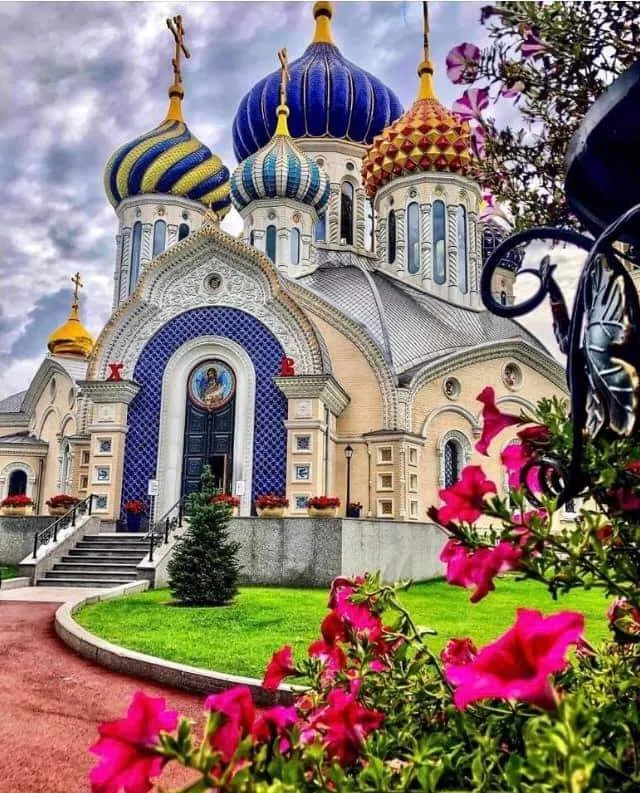
The city is home to several historical landmarks, including the Church of the Intercession, which dates back to the 19th century and showcases traditional Russian architecture. Olëkminsk's cultural scene is enriched by its diverse population, including indigenous Sakha people, who contribute to the city's unique cultural tapestry through festivals, music, and art.
Local traditions are celebrated with enthusiasm, particularly during the Ysyakh festival, which marks the beginning of summer and is a vibrant display of Sakha culture. The city also hosts various cultural events throughout the year, highlighting its commitment to preserving and promoting its rich heritage.
Things to do in Olëkminsk
Visitors to Olëkminsk can explore the stunning natural landscapes surrounding the city, including the Lena Pillars, a UNESCO World Heritage site known for its impressive rock formations. The Lena River offers opportunities for fishing, boating, and enjoying the serene Siberian wilderness.
Cultural enthusiasts can visit the local museums and galleries to learn more about the history and traditions of the region. The Olëkminsk Museum of Local Lore provides insights into the city's past and the diverse cultures that have shaped it.
For those interested in local cuisine, Olëkminsk offers a variety of traditional Russian and Sakha dishes. Local restaurants serve hearty meals featuring fish, game, and locally sourced produce, providing a taste of the region's culinary heritage.
Quality of Life Rankings
Weather in Olëkminsk
Olëkminsk, Russia experiences a subarctic climate characterized by long, extremely cold winters and short, mild summers. The city receives an average annual precipitation of approximately 14 inches (350 mm), with July being the wettest month, averaging about 2.4 inches (60 mm) of rainfall.
Seasonal Breakdown
- Spring (March to May)Temperatures gradually rise from an average high of 14°F (-10°C) in March to 54°F (12°C) in May. Snow begins to melt, and the city experiences increased rainfall, with May receiving the most precipitation, averaging around 1.6 inches (40 mm).
- Summer (June to August)The warmest months, with average highs ranging from 68°F (20°C) in June to 72°F (22°C) in July. Rainfall is at its peak in July, averaging about 2.4 inches (60 mm) per month, providing brief relief from the otherwise dry conditions.
- Autumn (September to November)Temperatures gradually decrease from an average high of 54°F (12°C) in September to 14°F (-10°C) in November. Rainfall decreases, averaging around 1.2 inches (30 mm) per month, and the first snowfalls typically occur in October.
- Winter (December to February)The coldest period, with average highs ranging from -4°F (-20°C) in December to -22°F (-30°C) in February. Snowfall is frequent, with January being the snowiest month, averaging about 1.6 inches (40 mm).
Notable Weather Events
- Severe cold waves during winter with temperatures dropping below -40°F (-40°C).
- Occasional summer thunderstorms in July.
- Early autumn snowfalls in October.
Olëkminsk's Political Climate
Olëkminsk, located in Russia, presents a unique political climate shaped by its historical and geographical context. As a city within the Sakha Republic, Olëkminsk operates under the broader political framework of the Russian Federation, which influences its local governance and policy directions. The city is governed by a mayor-council system, where the mayor is elected and works alongside a city council to manage local affairs.
Historically, Olëkminsk has been influenced by the political dynamics of the Sakha Republic, known for its rich cultural heritage and significant autonomy within Russia. The city has seen various political shifts, particularly in response to regional and national policies. Current political leadership in Olëkminsk focuses on balancing traditional values with modern governance practices, addressing issues such as infrastructure development, economic diversification, and cultural preservation.
In recent years, Olëkminsk has implemented progressive policies aimed at enhancing sustainability and promoting social welfare. Efforts include initiatives to improve energy efficiency, support local businesses, and enhance public services. These policies reflect a growing trend towards sustainable development, aligning with broader regional goals in the Sakha Republic.
The political climate in Olëkminsk significantly impacts its economic and social decisions. The city's leadership prioritizes economic growth while ensuring environmental protection and social equity. This approach is evident in the city's legislative priorities, which focus on improving public infrastructure, supporting education, and fostering cultural initiatives. Recent political events, such as local elections and policy reforms, have further shaped the city's governance landscape.
Political Quick Facts
- Voter Turnout65%
- City GovernanceMayor-Council System
- CompositionMajority United Russia with minority representation from other parties
- Recent Political ChangesIntroduction of new sustainability initiatives and infrastructure projects
- EngagementModerate, with active participation in local governance and community initiatives
- Political ScorecardB+ for governance and transparency
- Legislative PrioritiesInfrastructure development Cultural preservation Economic diversification
- Public OpinionGenerally supportive of regional autonomy and sustainable development policies
Notable Political Figures
- Ivan PetrovCurrent Mayor of Olëkminsk, known for his focus on infrastructure and economic growth.
- Svetlana IvanovaCity Council Member advocating for cultural preservation and social welfare programs.
- Alexei SmirnovLocal environmental activist and political advisor, influential in sustainability policies.