Job market in Gornji Milanovac
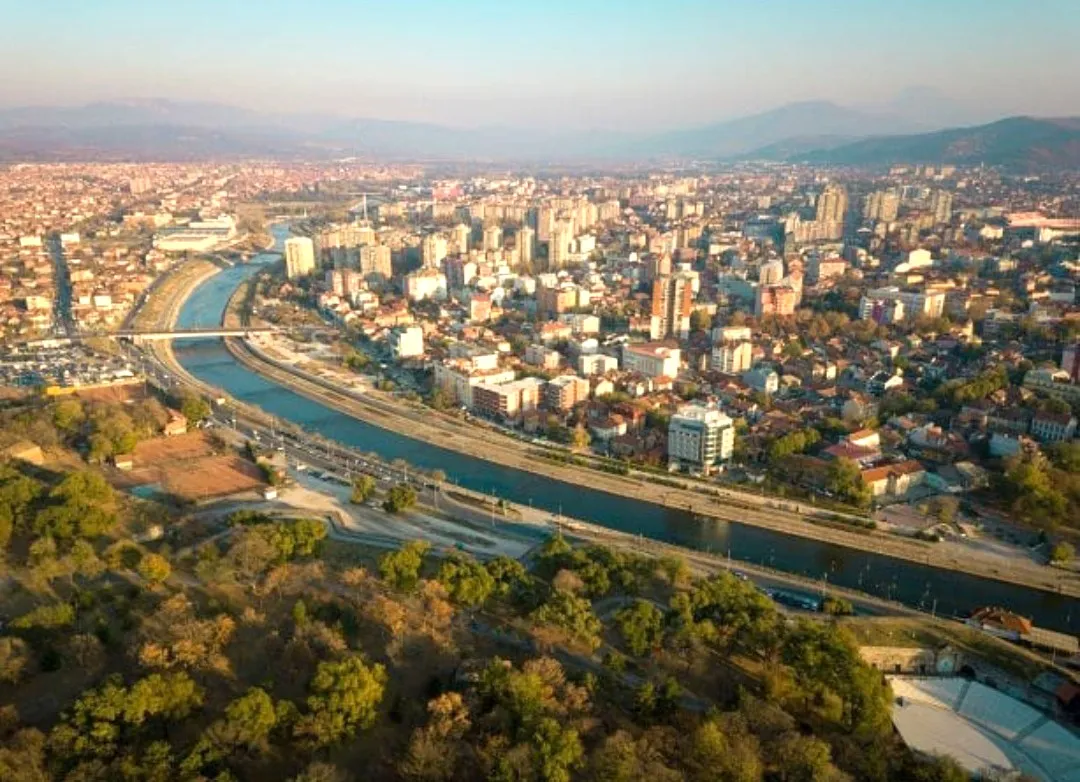
Gornji Milanovac, a town in central Serbia, is experiencing a dynamic shift in its job market as it enters 2024.The local economy is primarily driven by manufacturing and agriculture, with significant contributions from the metal and textile industries.Recent infrastructure developments, including road improvements and industrial park expansions, are expected to boost job growth.The town's strategic location and skilled workforce make it an attractive destination for both domestic and international investors.Top Industries in Gornji Milanovac
Manufacturing
Agriculture
Textiles
Employment Trends and Growth Rates
Gornji Milanovac is witnessing steady job growth, particularly in manufacturing and agriculture.
The town's employment trends are characterized by a low turnover rate and a stable demand for skilled labor.
Income inequality is relatively low compared to national averages, reflecting a balanced economic development.
Job Market for Remote and Freelance Workers in Gornji Milanovac
Remote work is gaining traction in Gornji Milanovac, especially in sectors like IT and digital marketing.
Local companies are increasingly offering remote positions to attract talent from across Serbia and beyond.
The trend aligns with the national increase in remote work, with about 35% of workers engaging in remote jobs.
Job Resources and Networking
Gornji Milanovac offers several local job boards and career fairs to assist job seekers.
The town hosts regular networking events and workshops aimed at enhancing employability skills.
Local platforms such as GornjiMilanovacJobs.com provide valuable resources for job seekers.