
Quality of life in Nitra
Cost of Living, Healthcare, Safety, Education, and More
About Nitra
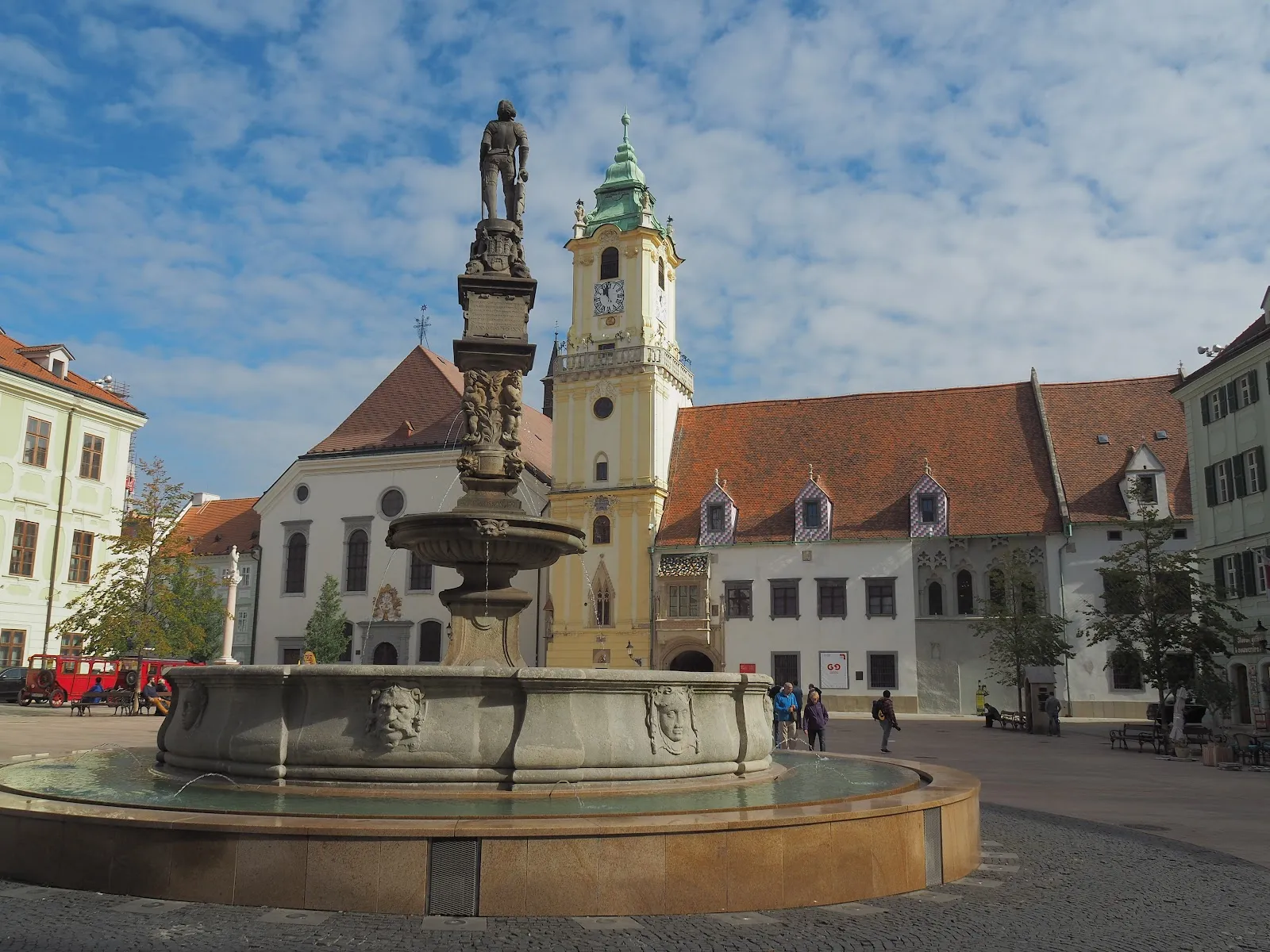
Nitra, one of Slovakia's oldest cities, is a vibrant blend of history and modernity. Nestled in the western part of the country, it is known for its rich cultural heritage and dynamic economy. The city is a hub for agriculture and education, with a lively student population contributing to its youthful energy.Nitra's picturesque landscapes and historical landmarks make it a unique destination for tourists and locals alike. Emerging trends in technology and innovation are also shaping the city's future, making it an exciting place to live and visit.


History and Culture
Nitra's history dates back to ancient times, with archaeological evidence of settlement as early as the Bronze Age. It played a significant role in the Great Moravian Empire, serving as a political and cultural center. The city's historical significance is further highlighted by its association with Saints Cyril and Methodius, who are credited with bringing Christianity to the Slavic peoples.
Throughout the centuries, Nitra has been a melting pot of cultures, influenced by various rulers and empires. This diverse heritage is reflected in its architecture, with landmarks such as the Nitra Castle and the St. Emmeram's Cathedral standing as testaments to its storied past.
Culturally, Nitra is a vibrant city with numerous theaters, galleries, and museums. The annual Nitra Theatre Festival is a highlight, attracting performers and audiences from across Europe. The city's ethnic diversity is celebrated through various cultural events and festivals, showcasing the contributions of different communities to Nitra's cultural tapestry.
Things to do in Nitra
Visitors to Nitra can explore the historic Nitra Castle, which offers panoramic views of the city and surrounding countryside. The castle complex includes the Bishop's Palace and the Cathedral of St. Emmeram, both rich in history and architectural beauty.
For those interested in nature, the Zobor Mountain provides excellent hiking opportunities and a chance to enjoy the natural beauty of the region. The Nitra River also offers scenic walking paths and recreational activities.
Nitra's vibrant cultural scene includes the Andrej Bagar Theatre and the Ponitrianske Museum, which offer insights into the city's artistic and historical heritage. The city's culinary scene is also noteworthy, with local restaurants serving traditional Slovak dishes alongside international cuisine.
Annual events such as the Nitra Agricultural Fair and the Nitra Theatre Festival provide unique opportunities to experience the city's cultural and economic life. These events highlight Nitra's role as a center for both agriculture and the arts.
Quality of Life Rankings
Weather in Nitra
Nitra, Slovakia experiences a temperate continental climate characterized by four distinct seasons, with warm summers and cold winters. The city receives an average annual precipitation of approximately 24 inches (600 mm), with June being the wettest month, averaging about 3.5 inches (90 mm) of rainfall.
Seasonal Breakdown
- Spring (March to May)Temperatures gradually rise from an average high of 50°F (10°C) in March to 68°F (20°C) in May. Rainfall increases during this period, with May receiving the most precipitation, averaging around 2.8 inches (70 mm).
- Summer (June to August)The hottest months, with average highs ranging from 75°F (24°C) in June to 82°F (28°C) in July. Rainfall is moderate, averaging around 3.5 inches (90 mm) in June, decreasing slightly in July and August.
- Autumn (September to November)Temperatures gradually decrease from an average high of 72°F (22°C) in September to 50°F (10°C) in November. Rainfall remains moderate, averaging around 2.4 inches (60 mm) per month.
- Winter (December to February)The coldest period, with average highs ranging from 37°F (3°C) in December to 34°F (1°C) in February. Snowfall is common, especially in January, averaging about 4 inches (100 mm) of snow.
Notable Weather Events
- Occasional heatwaves during summer months.
- Frequent snowfalls in winter, particularly in January.
- Thunderstorms are common in late spring and early summer.
Nitra's Political Climate
Nitra, one of Slovakia's oldest cities, has a rich political history that reflects its cultural and historical significance. As a city that has seen various political regimes, Nitra's political landscape today is characterized by a blend of traditional values and modern governance. The city is governed by a mayor-council system, where the mayor plays a crucial role in shaping local policies and development strategies.
In recent years, Nitra has been at the forefront of several progressive initiatives, particularly in sustainability and urban development. The city has implemented policies aimed at reducing carbon emissions and promoting green spaces, reflecting a growing commitment to environmental issues. Social justice and community engagement are also key aspects of Nitra's political agenda, with efforts to enhance public services and support for marginalized groups.
The political climate in Nitra is influenced by broader national trends in Slovakia, with a focus on economic development and integration within the European Union. Recent political events have seen a rise in civic activism, with local movements advocating for transparency and accountability in governance. This has led to increased political engagement among residents, who are keen to participate in shaping the future of their city.
Political Quick Facts
- Voter Turnout65%
- City GovernanceMayor-council system
- CompositionMajority center-right with minority representation from left-wing and independent parties
- Recent Political ChangesIncreased focus on environmental policies and digital infrastructure development
- EngagementHigh, with active participation in local initiatives and public forums
- Political ScorecardB+ for governance and transparency
- Legislative PrioritiesSustainability and green initiatives Economic development and job creation Enhancing public transportation
- Public OpinionGenerally supportive of EU integration and progressive social policies
Notable Political Figures
- Marek HattasCurrent mayor known for his focus on digital innovation and transparency.
- Jana KolesárováCity council member advocating for environmental sustainability.
- Peter KováčLocal activist and leader in community engagement initiatives.