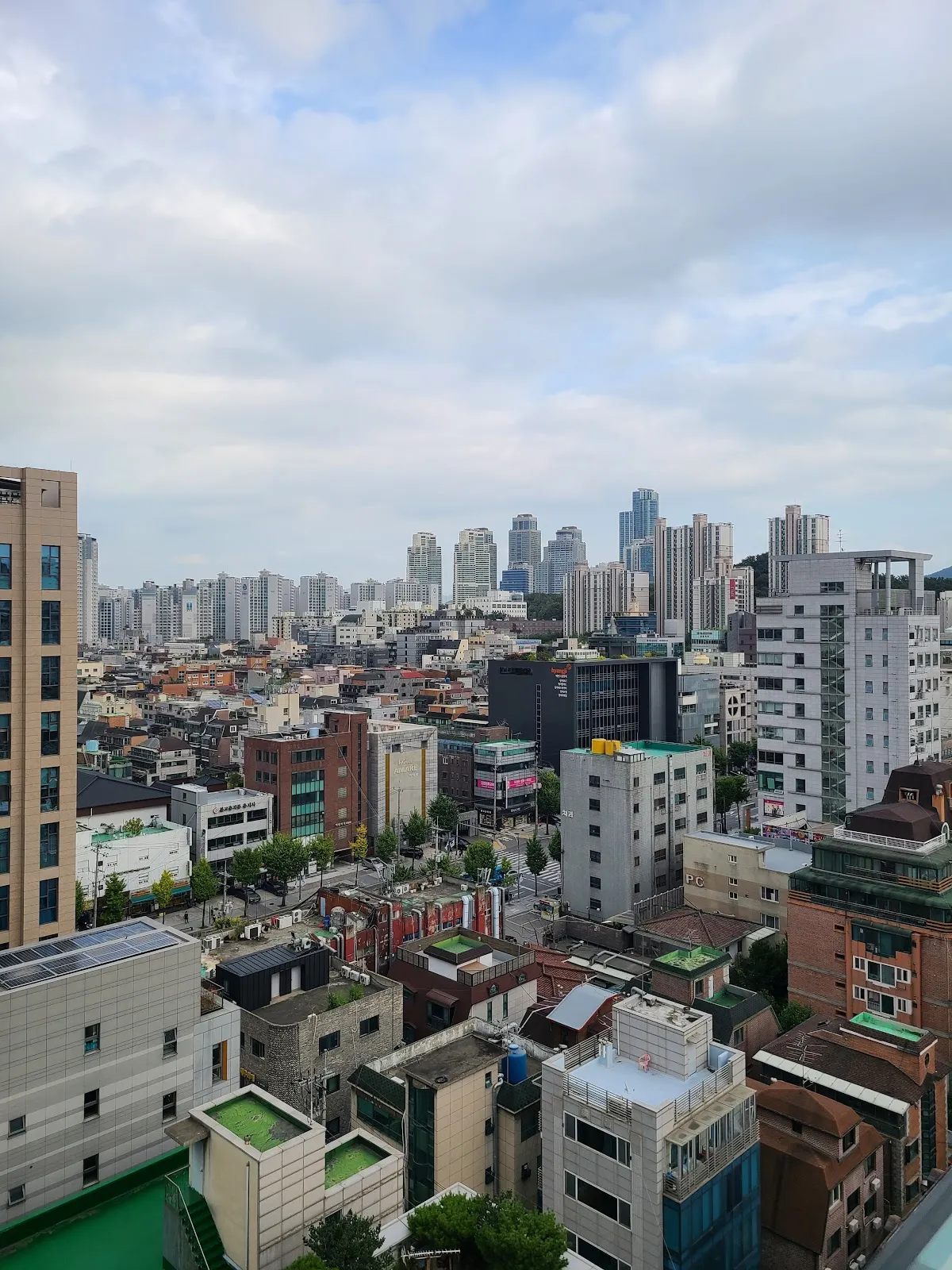
Job market in Boryeong
Boryeong, a coastal city in South Korea, is experiencing a dynamic shift in its job market as it enters 2024.The city's economy is bolstered by its thriving tourism sector, particularly due to the famous Boryeong Mud Festival, which attracts visitors globally.Additionally, Boryeong is seeing growth in renewable energy projects, contributing to job creation in the energy sector.The local government has been investing in infrastructure improvements, further enhancing employment prospects in construction and related industries.Top Industries in Boryeong
Tourism and Hospitality
Renewable Energy
Construction
Employment Trends and Growth Rates
Boryeong is witnessing a steady increase in job opportunities, particularly in tourism and renewable energy sectors.
The city's employment trends reflect a shift towards sustainable industries, aligning with national goals for green energy.
Income inequality remains a concern, but efforts are being made to provide equitable job opportunities across various sectors.
Job Market for Remote and Freelance Workers in Boryeong
Remote work is gaining traction in Boryeong, especially in tech and creative industries.
Local companies are beginning to offer more remote positions, aligning with the national trend where 35% of workers are remote.
Platforms like Work Korea are popular for finding remote job opportunities in Boryeong.
Job Resources and Networking
Boryeong offers several local job boards and resources for job seekers.
Career fairs and networking events are regularly held to connect employers with potential employees.
Local platforms such as BoryeongJobs.com provide listings for job opportunities within the city.