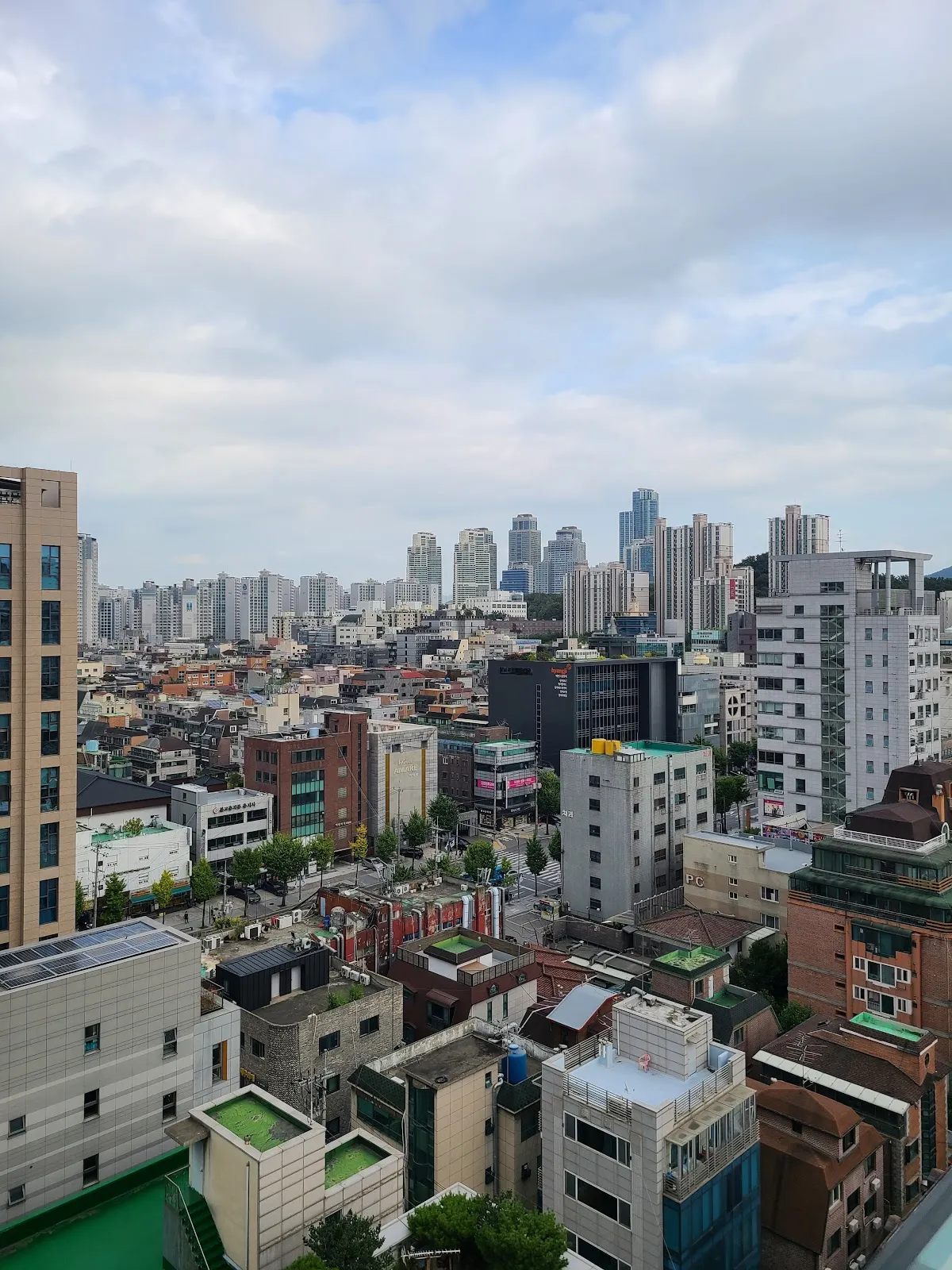
Job market in Gimje
Gimje, a city in South Korea, is experiencing a dynamic shift in its job market as it enters 2024.The city's economy is traditionally rooted in agriculture, but recent developments have seen a diversification into technology and manufacturing sectors.With ongoing infrastructure projects aimed at improving connectivity and industrial growth, Gimje is poised for significant economic expansion.The job market health in Gimje is robust, with projections indicating steady job growth across various sectors.Top Industries in Gimje
Agriculture
Technology
Manufacturing
Healthcare
Education
Employment Trends and Growth Rates
Gimje is witnessing a positive employment trend with a notable increase in job opportunities in technology and healthcare.
The city's job growth rate is expected to outpace the national average, driven by investments in infrastructure and industry diversification.
Income inequality remains a concern, but efforts are being made to address this through equitable job creation and wage policies.
Job Market for Remote and Freelance Workers in Gimje
Remote work is gaining traction in Gimje, particularly in the tech and creative sectors.
Local companies are increasingly offering remote positions, aligning with the national trend where 35% of workers are working remotely.
Gimje's remote job market is supported by local job boards and initiatives aimed at promoting flexible work arrangements.
Job Resources and Networking
Gimje offers a variety of job resources including local job boards, career fairs, and networking events.
Key resources include the Gimje Job Center and local career development workshops.
For national opportunities, platforms like Indeed, LinkedIn, and Glassdoor are invaluable.