
Quality of life in Jangsu
Cost of Living, Healthcare, Safety, Education, and More
About Jangsu
Jangsu, located in the heart of South Korea, is a picturesque county known for its serene landscapes and rich cultural heritage. Nestled amidst rolling hills and lush greenery, Jangsu offers a tranquil escape from the bustling city life, making it a perfect destination for nature lovers and those seeking a peaceful retreat.The county is renowned for its agricultural produce, particularly its high-quality apples and beef, which are celebrated throughout the country. Jangsu's commitment to preserving its natural beauty and traditional way of life is evident in its well-maintained parks and cultural sites, offering visitors a glimpse into the harmonious balance between nature and culture.


History and Culture
Jangsu's history dates back to ancient times, with its roots deeply embedded in the traditions of the Baekje Kingdom. The region has been a significant cultural and agricultural hub, contributing to the development of South Korea's rural landscape.
Cultural festivals such as the Jangsu Red Ginseng Festival highlight the area's rich heritage and agricultural prowess. These events not only celebrate local produce but also showcase traditional music, dance, and crafts, providing a vibrant insight into the local culture.
The county is home to several historical sites, including ancient tombs and relics that offer a window into its storied past. The preservation of these sites reflects Jangsu's dedication to honoring its history while promoting cultural education and tourism.
Things to do in Jangsu
Visitors to Jangsu can explore the beautiful Maisan Provincial Park, known for its unique rock formations and scenic hiking trails. The park is a haven for outdoor enthusiasts, offering opportunities for hiking, bird watching, and photography.
The Jangsu Horse Riding Experience Center provides a unique opportunity to engage with the local equestrian culture. Visitors can enjoy horseback riding lessons and explore the picturesque countryside on guided tours.
Food lovers can indulge in the local cuisine, particularly the renowned Jangsu beef, which is celebrated for its tenderness and flavor. The county's markets and restaurants offer a variety of traditional dishes that highlight the region's agricultural bounty.
Quality of Life Rankings
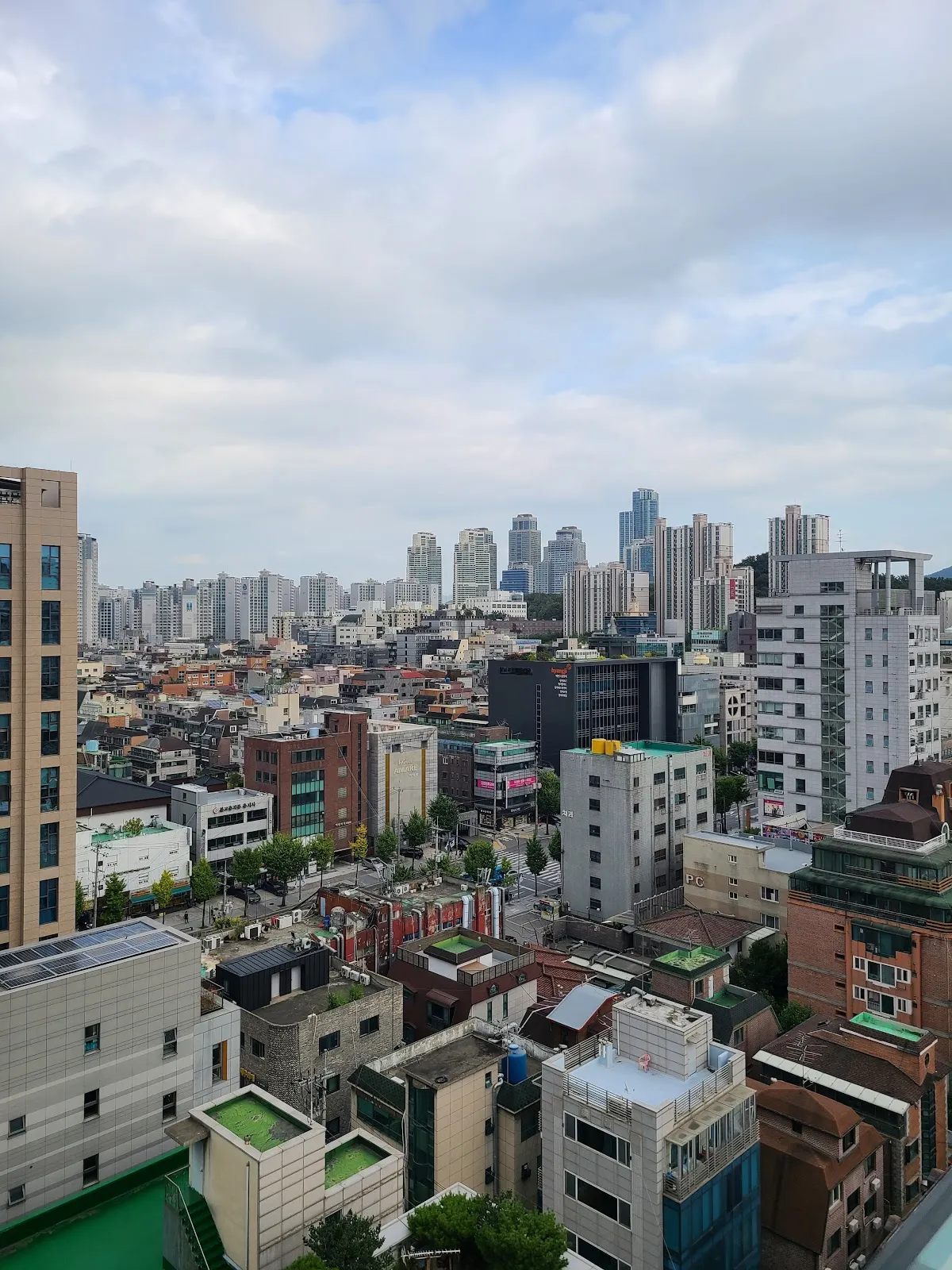
Weather in Jangsu
Jangsu, South Korea experiences a humid continental climate characterized by four distinct seasons, with hot, humid summers and cold, dry winters. The city receives an average annual precipitation of approximately 50 inches (1270 mm), with July being the wettest month, averaging 12 inches (305 mm) of rainfall.
Seasonal Breakdown
- Spring (March to May)Temperatures gradually rise from an average high of 50°F (10°C) in March to 70°F (21°C) in May. Rainfall increases during this period, with May receiving significant precipitation, averaging around 4 inches (102 mm).
- Summer (June to August)The hottest months, with average highs ranging from 80°F (27°C) in June to 85°F (29°C) in July. Rainfall is highest in July, averaging around 12 inches (305 mm) due to the monsoon season.
- Autumn (September to November)Temperatures gradually decrease from an average high of 75°F (24°C) in September to 55°F (13°C) in November. Rainfall remains moderate, averaging around 3 inches (76 mm) per month.
- Winter (December to February)The coldest period, with average highs ranging from 40°F (4°C) in December to 35°F (2°C) in February. Snowfall is minimal, averaging about 2 inches (51 mm) in January.
Notable Weather Events
- Summer monsoon season with heavy rainfall in July.
- Occasional cold snaps during winter months.
- Potential for typhoons during late summer and early autumn.
Jangsu's Political Climate
Jangsu, located in South Korea, is a city that reflects the broader political dynamics of the country. South Korea is known for its vibrant democracy, characterized by a multi-party system and active civic engagement. Jangsu, like many other cities in South Korea, is influenced by the national political climate, which is often marked by a balance between progressive and conservative ideologies.
The city is governed by a local council that aligns with the broader political trends of the Jeollabuk-do province, where progressive policies often find support. Jangsu has been part of South Korea's rapid modernization and economic development, which has influenced its political landscape. The city has seen a focus on sustainable development and social welfare policies, reflecting the national government's priorities.
In recent years, Jangsu has been part of initiatives aimed at enhancing local governance and transparency. The city has implemented policies to improve public services and infrastructure, aligning with South Korea's emphasis on technological advancement and innovation. Political engagement in Jangsu is relatively high, with residents actively participating in local and national elections, reflecting a strong democratic tradition.
Political Quick Facts
- Voter Turnout75%
- City GovernanceMayor-Council
- CompositionMajority Progressive with some Conservative representation
- Recent Political ChangesIncreased focus on digital governance and transparency
- EngagementHigh
- Political Scorecard8/10 for governance and transparency
- Legislative PrioritiesSustainable urban development Enhancing public transportation Digital infrastructure expansion
- Public OpinionGenerally progressive with strong support for social welfare and environmental policies
Notable Political Figures
- Kim Min-junCurrent mayor known for his focus on sustainable development and digital innovation.
- Lee Soo-jinCity council member advocating for enhanced public transportation.
- Park Ji-hoonLocal activist and former council member known for his work on social justice issues.