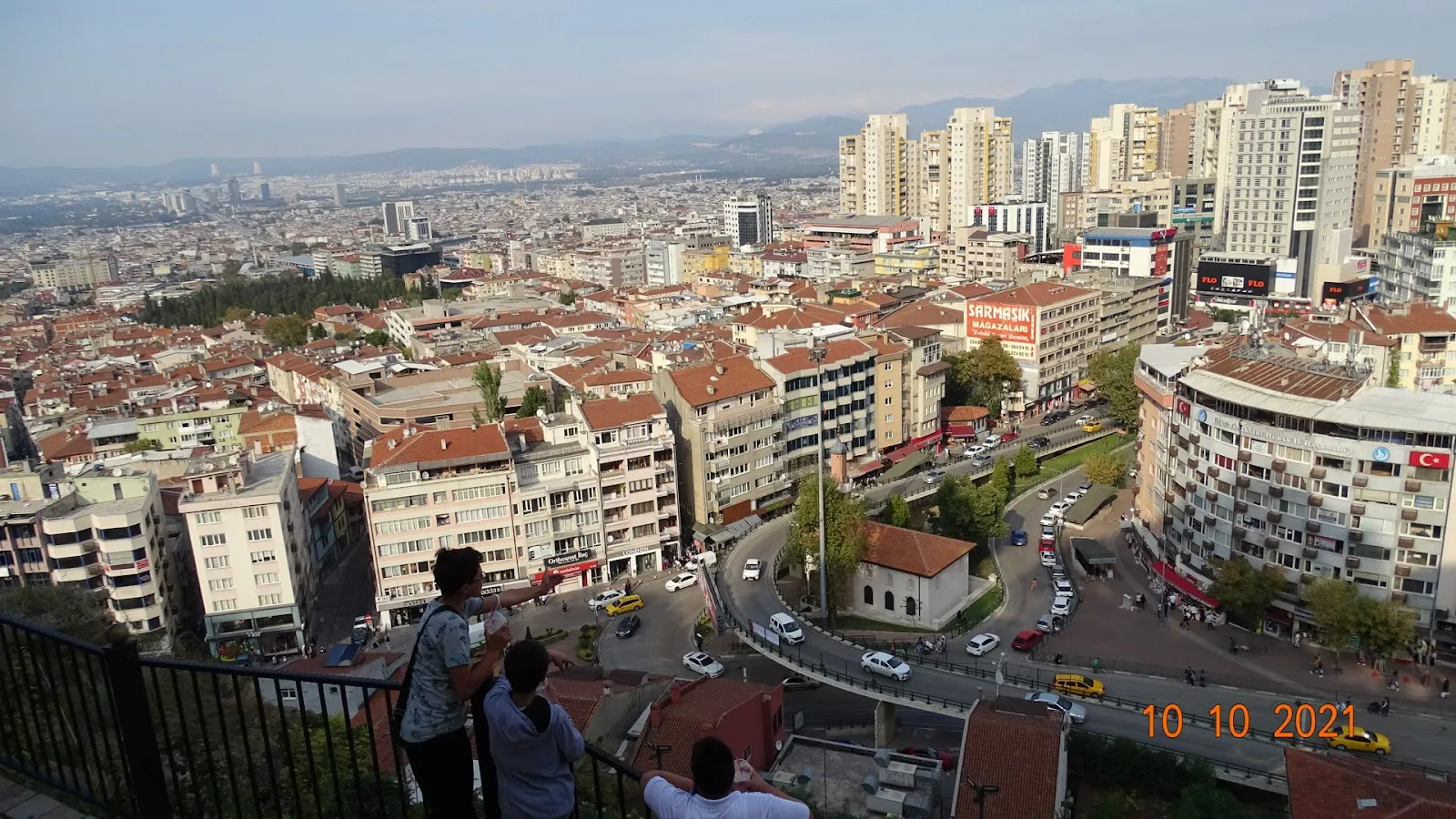
Traffic in Kalkan
In 2024, Kalkan, Turkey, presents a unique traffic scenario with a predominant reliance on staying home, as indicated by the transportation data.With no significant usage of public or private transportation modes, Kalkan's traffic patterns reflect a tranquil and less congested environment.Average Commute Times
The average commute time in Kalkan is effectively zero, as most residents do not engage in daily commuting.
Traffic Breakdown
Traffic Data
Overall average travel
More Information
Seasonal Trends
Kalkan experiences a consistent traffic pattern year-round due to the lack of commuting.
Seasonal tourism may increase foot traffic but does not significantly impact local transportation.
Commuter Pain Points
Commuters in Kalkan face no typical traffic-related pain points due to the lack of commuting.
The primary challenge may be accessing transportation options for those who need to travel outside the city.
Best Travel Times
Any time is optimal for travel within Kalkan, given the absence of traffic congestion.
Residents can enjoy flexibility in their schedules without worrying about peak traffic hours.
Event Impacts
Public events in Kalkan are unlikely to cause significant traffic disruptions due to the low baseline traffic levels.
Events may attract visitors, but the impact on local transportation remains minimal.
Sustainability Efforts
Kalkan's low reliance on transportation aligns with sustainable living practices.
Efforts to maintain minimal traffic and emissions contribute to the city's environmental goals.
Ride-Sharing Impact
Ride-sharing services have a limited presence in Kalkan due to the low demand for transportation.
These services may provide convenience for occasional travel needs but do not significantly alter traffic patterns.