
Quality of life in Kharkiv
Cost of Living, Healthcare, Safety, Education, and More
About Kharkiv
Kharkiv, Ukraine's second-largest city, is a vibrant hub of culture, education, and industry. Known for its rich history and dynamic cultural scene, Kharkiv offers a unique blend of Soviet-era architecture and modern developments. The city is a major educational center, home to numerous universities and research institutions, attracting students from across the globe.Kharkiv's economy is diverse, with strong sectors in machinery, electronics, and aerospace. The city is also known for its thriving IT industry, which has seen significant growth in recent years. This economic diversity contributes to a vibrant urban life, with a wide array of cultural events, festivals, and a burgeoning food scene.


History and Culture
Founded in the mid-17th century, Kharkiv has played a pivotal role in the history of Ukraine. Originally a fortress to protect against invasions, it quickly grew into a major center of trade and culture. During the Soviet era, Kharkiv was the capital of the Ukrainian Soviet Socialist Republic and became a key industrial and educational hub.
Kharkiv's cultural landscape is rich and varied, with numerous theaters, museums, and galleries. The Kharkiv National Academic Opera and Ballet Theatre is a cultural landmark, offering performances that attract audiences from around the world. The city is also home to the Kharkiv Art Museum, which houses an impressive collection of Ukrainian and international art.
The city's ethnic diversity is reflected in its cultural festivals and events, such as the Kharkiv International Film Festival and the GogolFest, which celebrate both local and international talent. Kharkiv's vibrant street art scene and numerous public sculptures add to its cultural tapestry, making it a city where tradition and modernity coexist.
Things to do in Kharkiv
Visitors to Kharkiv can explore the sprawling Gorky Central Park, which offers a variety of attractions including amusement rides, a cable car, and beautiful walking paths. The park is a favorite among locals and tourists alike, providing a perfect spot for relaxation and recreation.
For those interested in history, the Kharkiv Historical Museum offers insights into the city's past, with exhibits ranging from ancient artifacts to Soviet-era memorabilia. The Annunciation Cathedral, with its stunning architecture, is another must-visit landmark.
Kharkiv's dining scene is diverse, with a range of restaurants offering everything from traditional Ukrainian cuisine to international dishes. The city's vibrant nightlife is centered around its many bars and clubs, where live music and entertainment are a staple.
Annual events such as the Kharkiv Music Fest and the Kharkiv Book Fair highlight the city's cultural vibrancy, drawing visitors from across Ukraine and beyond.
Quality of Life Rankings
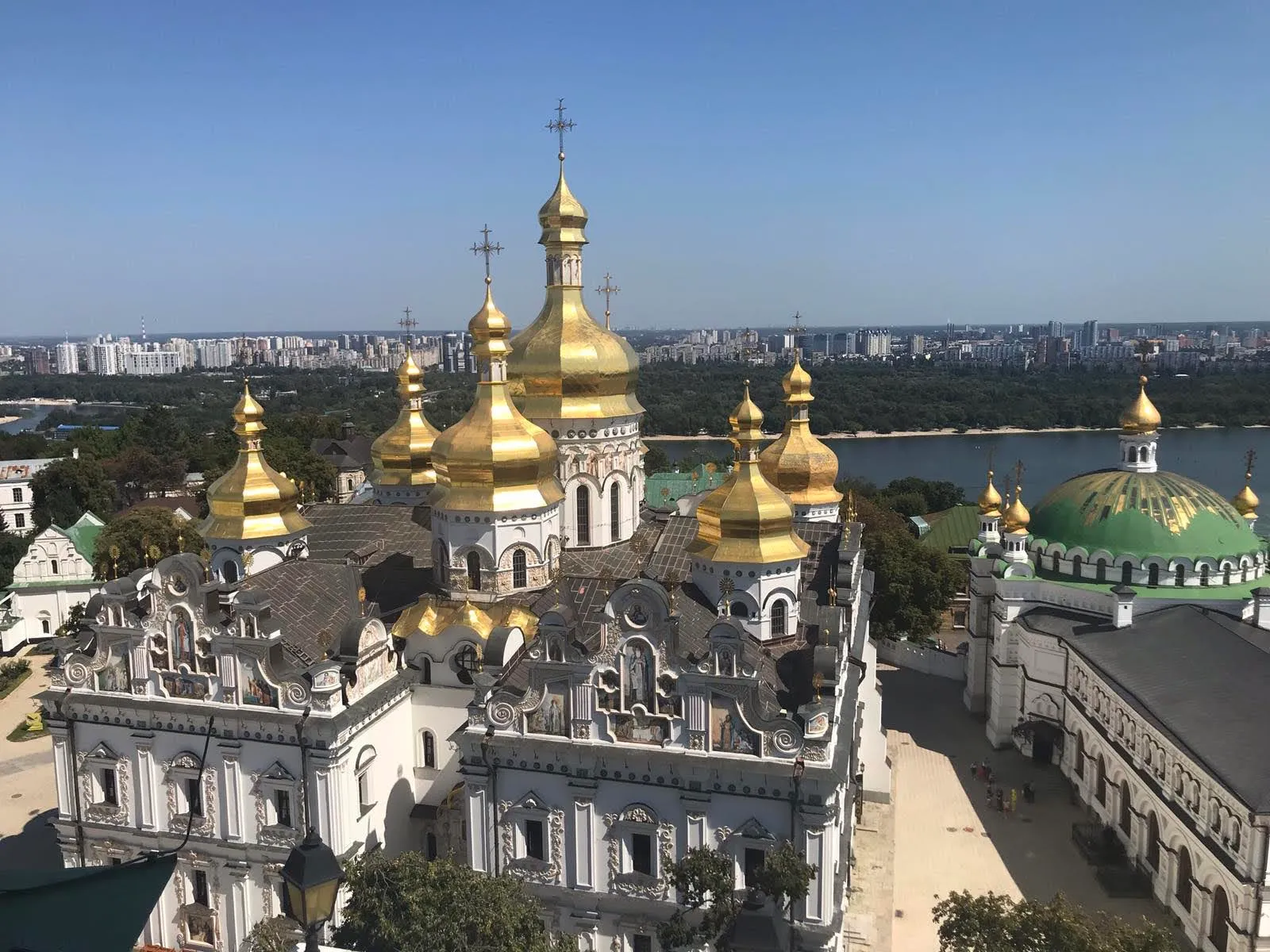
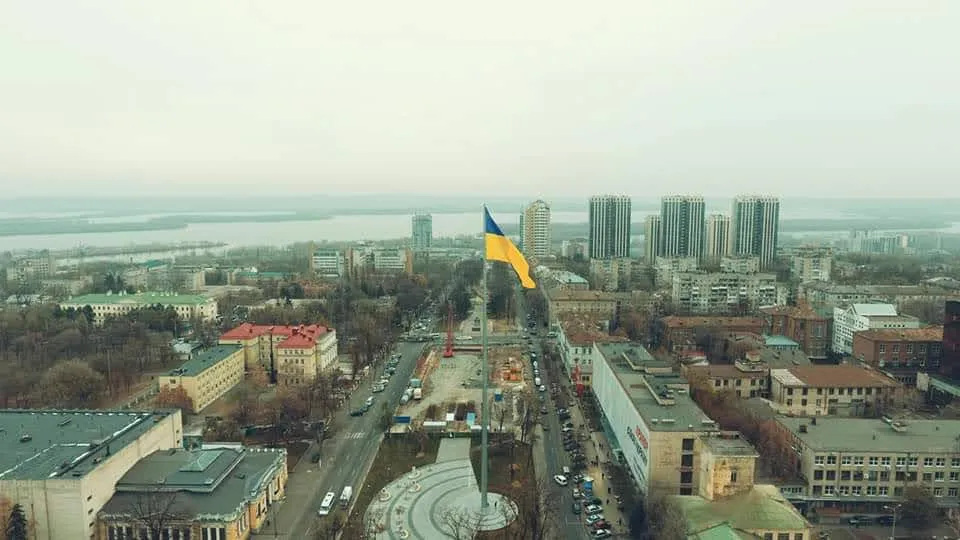
Kharkiv ranks 2nd on the Quality of Life rankings in Ukraine.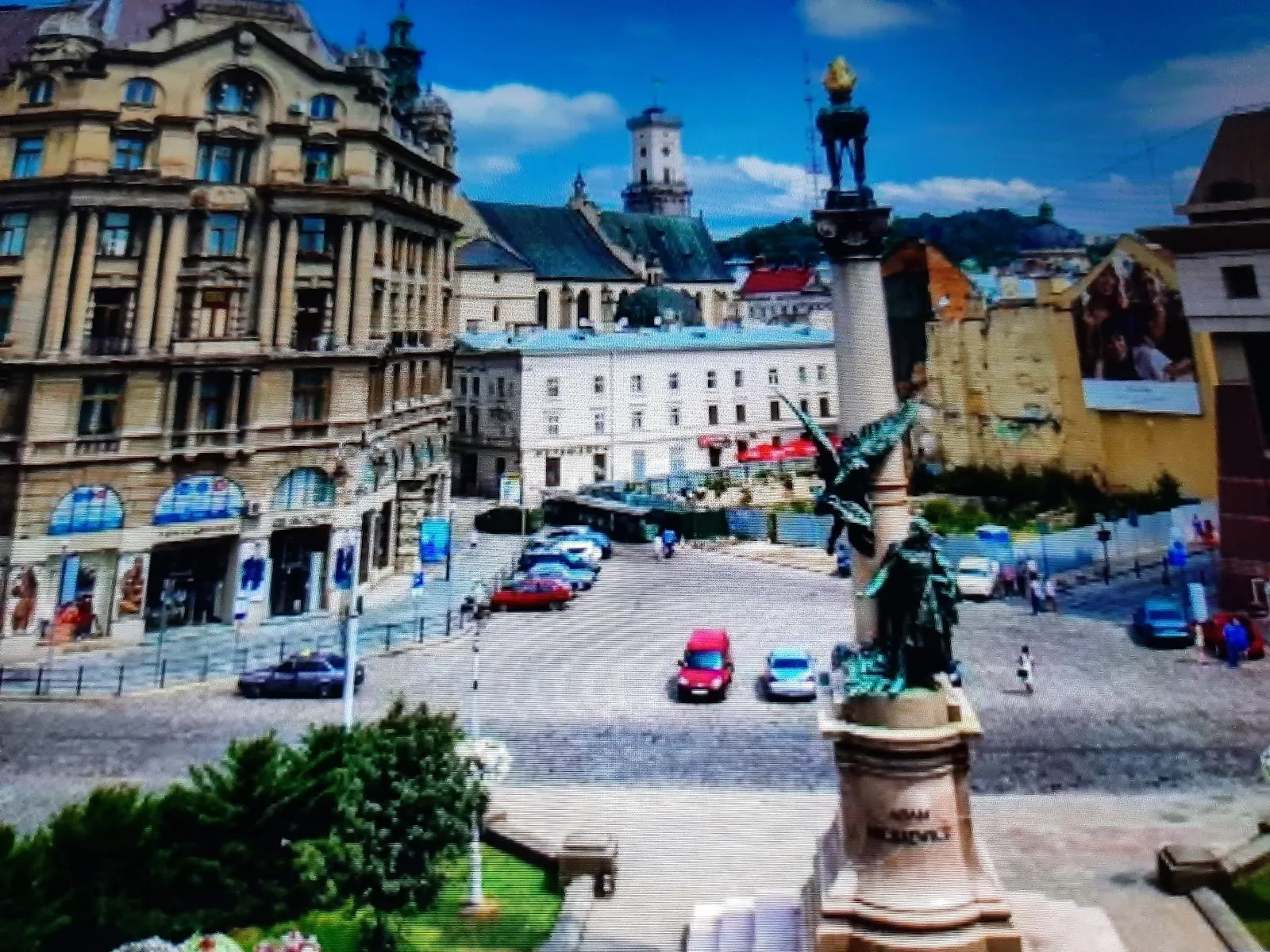

Weather in Kharkiv
Kharkiv, Ukraine experiences a humid continental climate characterized by cold, snowy winters and warm, humid summers. The city receives an average annual precipitation of approximately 21 inches (530 mm), with June being the wettest month, averaging about 3 inches (75 mm) of rainfall.
Seasonal Breakdown
- Spring (March to May)Temperatures gradually rise from an average high of 41°F (5°C) in March to 68°F (20°C) in May. Rainfall increases during this period, with May receiving the most precipitation, averaging around 2.8 inches (70 mm).
- Summer (June to August)The hottest months, with average highs ranging from 75°F (24°C) in June to 80°F (27°C) in July. Rainfall is relatively high, averaging around 3 inches (75 mm) per month, with occasional thunderstorms.
- Autumn (September to November)Temperatures gradually decrease from an average high of 70°F (21°C) in September to 41°F (5°C) in November. Rainfall remains moderate, averaging around 2 inches (50 mm) per month.
- Winter (December to February)The coldest period, with average highs ranging from 30°F (-1°C) in December to 28°F (-2°C) in February. Snowfall is common, averaging about 6 inches (150 mm) in January.
Notable Weather Events
- Occasional heatwaves during summer months.
- Heavy snowfall and cold snaps during winter.
- Thunderstorms in late spring and summer.
Kharkiv's Political Climate
Kharkiv, the second-largest city in Ukraine, has a dynamic political climate shaped by its strategic location and historical significance. As a major industrial and educational hub, Kharkiv plays a crucial role in Ukraine's political landscape. The city has been at the forefront of political change, especially during the recent conflicts in Eastern Ukraine. Its governance is characterized by a mix of local and national influences, with a strong emphasis on maintaining stability and fostering economic growth.
Historically, Kharkiv has been a center of political activism and reform. The city has experienced significant political shifts, particularly during the Orange Revolution and the Euromaidan protests. These events have left a lasting impact on the city's political culture, fostering a spirit of resilience and adaptability among its residents. Currently, Kharkiv's political leadership is focused on rebuilding and revitalizing the city, with efforts directed towards infrastructure development and social welfare.
Kharkiv has implemented several progressive policies, particularly in the areas of sustainability and social justice. The city has made strides in promoting green energy and reducing its carbon footprint, aligning with broader national and international environmental goals. Social initiatives aimed at improving public health and education are also prominent, reflecting the city's commitment to enhancing the quality of life for its residents.
The political climate in Kharkiv significantly influences its economic and social decisions. The city's leadership is keen on attracting foreign investment and fostering innovation, which is evident in its support for technology startups and educational institutions. Socially, there is a strong emphasis on community engagement and public participation in governance, which has led to a more transparent and accountable political environment.
Political Quick Facts
- Voter Turnout65%
- City GovernanceMayor-Council
- CompositionMajority pro-European parties with minority representation from local interest groups
- Recent Political ChangesIncreased focus on rebuilding post-conflict infrastructure and enhancing public safety
- EngagementHigh, with active participation in local governance and civic initiatives
- Political ScorecardB+ for governance and transparency
- Legislative PrioritiesInfrastructure development Economic revitalization Environmental sustainability
- Public OpinionGenerally supportive of European integration and democratic reforms
Notable Political Figures
- Ihor TerekhovCurrent Mayor of Kharkiv, known for his focus on urban development and public safety.
- Yuliya SvitlychnaFormer Governor of Kharkiv Oblast, recognized for her efforts in regional development and education.
- Oleksandr FeldmanUkrainian politician and businessman, influential in local economic initiatives.