Crime and Pollution in Dubai
The following data and statistics on crime, pollution, and overall safety in Dubai are derived from a combination of trusted public sources and insights gathered from over 1100 user contributions.This comprehensive approach helps provide a balanced view of the city's crime rates, environmental concerns, air quality, and public safety. By aggregating information from government reports, environmental studies, and direct feedback from residents, we aim offer an up-to-date and thorough analysis of key factors impacting quality of life in Dubai.Crime Data in Dubai
Crime Perception and Concerns
In 2024, Dubai continues to be one of the safest cities globally, with crime data reflecting an extremely low level of concern among its residents.
The city is renowned for its robust safety measures, contributing to the high sense of security both day and night.
Some notable concerns include:
- Property CrimesProperty crimes in Dubai are minimal, with residents expressing little worry about theft, car break-ins, and home burglaries. This low level of concern highlights the effectiveness of rigorous law enforcement and community vigilance.
- Drug-Related IssuesDrug-related problems are almost non-existent in Dubai. Public opinion strongly supports the notion that strict regulations and effective policing contribute significantly to this perception.
- Violent CrimesViolent crimes are perceived as very rare in Dubai, with minimal fear of physical assault or robbery. The low crime perception is reinforced by the city's proactive safety policies and strong legal framework.
- Public SafetyDubai residents consistently report feeling incredibly safe both during the day and at night. The city’s well-maintained public spaces and extensive surveillance contribute to this sense of security, making it a model for urban safety.
Crime Trends and Safety
- Rising Crime ConcernsContrary to many global cities, there is little concern that crime rates are increasing in Dubai. This stability resonates with the city's reputation as a safe haven in the region.
- Specific FearsFew specific fears exist among residents regarding crime, though the city remains vigilant against emerging challenges. Dubai continues to prioritize inclusivity and comprehensive safety strategies to address any potential threats.
Crime Rankings
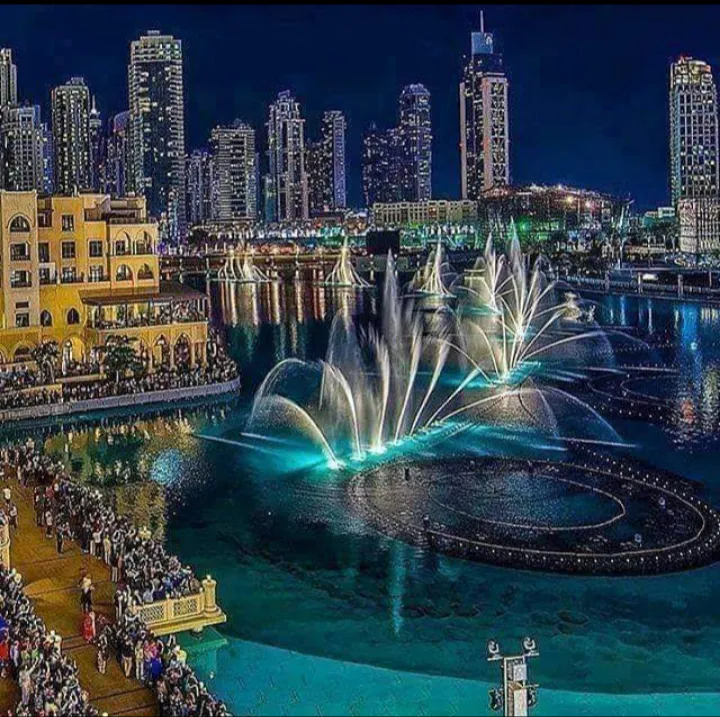
Dubai ranks 2nd on the Crime rankings in United Arab Emirates.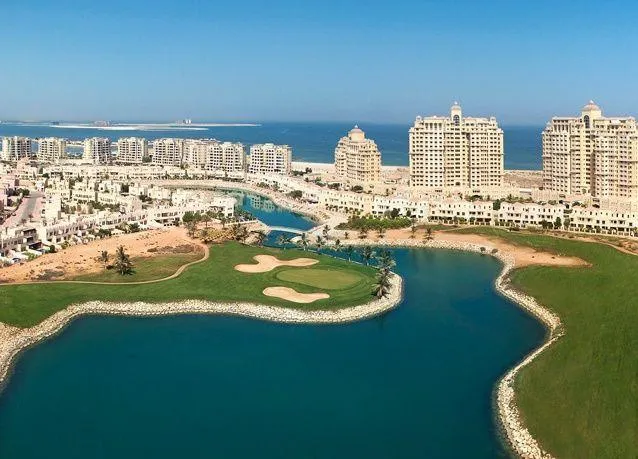

Pollution Data in Dubai
Air Quality and Pollution Levels
Dubai's air quality remains moderate, bolstered by ongoing efforts to enhance environmental conditions. Urban development and traffic are significant contributors to pollution levels, though initiatives continue to address these challenges.
While pm2.5 and pm10 levels are effectively controlled, the city stays focused on further improvements to safeguard public health.
- PM2.5 (Fine Particulate Matter)The virtually nonexistent levels of PM2.5 indicate a substantial control over fine particulate matter in Dubai, ensuring minimal health impacts from this type of pollution.
- PM10 (Coarse Particulate Matter)Similarly, PM10 levels are negligible, reflecting successful strategies in reducing ambient particulate pollution, despite the city's rapid growth and urban challenges.
Waste and Noise Pollution
Noise pollution in Dubai is moderate, primarily due to construction and traffic in busy areas. Substantial efforts are in place to mitigate these impacts and improve the urban soundscape.
Garbage disposal processes are highly efficient, with significant satisfaction from residents regarding cleanliness and waste management.
- Garbage Disposal SatisfactionResidents express high satisfaction with Dubai's waste management systems, citing efficient garbage disposal practices as a contributing factor to the city's cleanliness.
- Noise and Light PollutionNoise and light pollution are moderate, yet carefully managed, allowing for comfortable living conditions despite the city's bustling urban environment.
Green Spaces and Water Quality
Dubai's dedication to preserving green spaces offers residents valuable recreational and environmental benefits amidst its urban landscape. These parks and green areas significantly enhance the city’s livability.
The quality of drinking water is another strong suit for Dubai, with residents enjoying reliable access to clean and safe water resources.
- Green and Parks QualityGreen and park spaces in Dubai are valued for their role in fostering relaxation and promoting environmental stewardship, enhancing the urban experience.
- Drinking Water QualityDubai's drinking water meets high standards of quality and accessibility, marking it as an essential asset through continuous improvements in resource management.