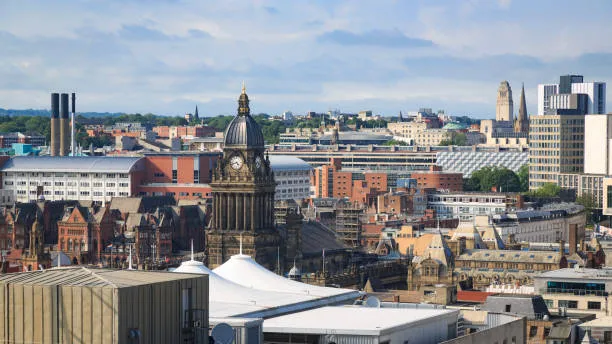
Traffic in Crewe
In 2024, Crewe's transportation landscape is dominated by car usage, with 100% of commuters relying on this mode of transport.The city's traffic inefficiency and CO2 emissions are significant, indicating a need for sustainable transportation solutions.Average Commute Times
The average commute time in Crewe is 32.5 minutes, with all travel conducted by car.
- Car - Car commuters in Crewe experience an average drive time of 32.5 minutes over a distance of approximately 17.7 kilometers.
Traffic Breakdown
Traffic Data
Overall average travel
Average when primarily using Car
More Information
Seasonal Trends
Traffic congestion in Crewe tends to increase during the winter months due to adverse weather conditions.
Summer sees a slight reduction in traffic as residents take vacations, reducing commuter numbers.
Commuter Pain Points
Limited public transportation options force reliance on cars, increasing traffic congestion.
Parking availability and costs are common concerns for Crewe's car commuters.
Best Travel Times
Traveling outside peak hours, such as early morning or late evening, can help avoid congestion.
Weekends generally offer smoother traffic conditions compared to weekdays.
Event Impacts
Public events at Crewe's Lyceum Theatre or Crewe Alexandra Football Club can cause temporary spikes in traffic.
Planning routes around event times can help minimize delays.
Sustainability Efforts
Crewe is exploring initiatives to expand cycling infrastructure and promote electric vehicle usage.
Community programs aimed at carpooling and ride-sharing are being encouraged to reduce emissions.
Ride-Sharing Impact
Ride-sharing services are gradually gaining popularity, offering a convenient alternative to personal car use.
These services help reduce the number of vehicles on the road, potentially easing traffic congestion.