
Quality of life in Hertfordshire
Cost of Living, Healthcare, Safety, Education, and More
About Hertfordshire
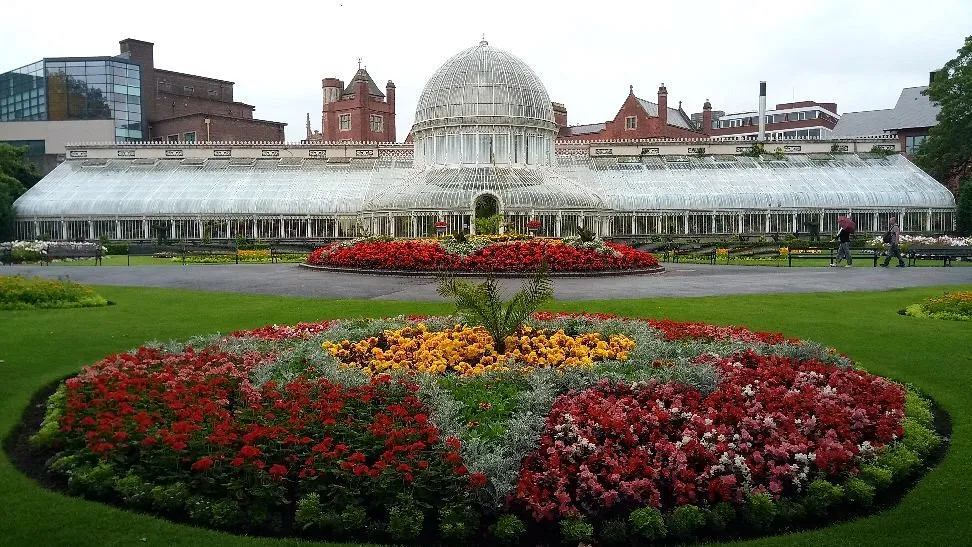
Hertfordshire, located in the United Kingdom, is a county known for its picturesque landscapes and rich historical heritage. It offers a unique blend of rural charm and urban convenience, making it an attractive place for both residents and visitors. The county is characterized by its vibrant cultural scene, with numerous theaters, galleries, and music venues that reflect its diverse artistic community.In recent years, Hertfordshire has seen significant growth in its technology and film industries, contributing to its dynamic economy. The presence of major film studios has earned it the nickname 'The British Hollywood,' attracting filmmakers from around the world. This has also spurred the development of related industries, providing ample job opportunities and fostering innovation.


History and Culture
Hertfordshire's history dates back to the Roman era, with numerous archaeological sites and artifacts that tell the story of its ancient past. The county played a significant role during the medieval period, with many castles and historic buildings that have been preserved to this day. Notable historical figures, such as Queen Elizabeth I, have connections to Hertfordshire, adding to its rich historical tapestry.
Culturally, Hertfordshire is a melting pot of traditions and influences. The county hosts a variety of cultural festivals throughout the year, celebrating everything from music and arts to food and heritage. The presence of institutions like the St Albans Cathedral and the Henry Moore Foundation highlights the county's commitment to preserving and promoting its cultural heritage.
Hertfordshire's ethnic diversity is reflected in its vibrant communities, each contributing to the county's cultural fabric. This diversity is celebrated through various community events and festivals, which offer a glimpse into the different traditions and customs that coexist in the region.
Things to do in Hertfordshire
Hertfordshire offers a wide range of activities and attractions for visitors and locals alike. The county is home to beautiful parks and nature reserves, such as the Lee Valley Regional Park, which provides opportunities for hiking, cycling, and wildlife watching. For those interested in history, the Hatfield House and Knebworth House offer fascinating tours of historic estates.
The county's vibrant arts scene is showcased in venues like the Watford Palace Theatre and the Hertford Theatre, where visitors can enjoy a variety of performances ranging from drama to comedy. Additionally, Hertfordshire's culinary scene is thriving, with numerous restaurants and pubs offering everything from traditional British fare to international cuisine.
Annual events such as the St Albans Food and Drink Festival and the Hertfordshire County Show highlight the county's local produce and crafts, providing a taste of the region's unique offerings. These events, along with numerous farmers' markets, make Hertfordshire a delightful destination for food enthusiasts.
Quality of Life Rankings
Weather in Hertfordshire
Hertfordshire, United Kingdom experiences a temperate maritime climate characterized by mild temperatures and moderate rainfall throughout the year. The region does not experience extreme temperatures, with warm summers and cool winters. The average annual precipitation is approximately 23 inches (584 mm), with October being the wettest month, averaging around 2.5 inches (64 mm) of rainfall.
Seasonal Breakdown
- Spring (March to May)Temperatures gradually rise from an average high of 50°F (10°C) in March to 63°F (17°C) in May. Rainfall is moderate, with April being slightly wetter, averaging around 2 inches (51 mm) of precipitation.
- Summer (June to August)The warmest months, with average highs ranging from 68°F (20°C) in June to 73°F (23°C) in July. Rainfall is relatively low, averaging around 1.8 inches (46 mm) per month.
- Autumn (September to November)Temperatures gradually decrease from an average high of 66°F (19°C) in September to 50°F (10°C) in November. Rainfall increases, with October being the wettest month, averaging around 2.5 inches (64 mm).
- Winter (December to February)The coldest period, with average highs ranging from 45°F (7°C) in December to 43°F (6°C) in February. Snowfall is rare, but when it occurs, it is usually light, averaging about 1 inch (25 mm) in January.
Notable Weather Events
- Occasional light snowfall in winter
- Rare heatwaves in summer, with temperatures occasionally reaching above 86°F (30°C)
- Frequent overcast skies and drizzle, especially in autumn and winter
Hertfordshire's Political Climate
Hertfordshire, located in the United Kingdom, presents a unique political climate characterized by a blend of traditional and progressive elements. The county is governed by the Hertfordshire County Council, which oversees local services and infrastructure. Historically, Hertfordshire has been a stronghold for the Conservative Party, reflecting a political landscape that leans towards center-right ideologies. However, recent years have seen a growing influence of the Liberal Democrats and Labour Party, particularly in urban areas, indicating a shift towards more diverse political representation.
The political history of Hertfordshire is marked by its strategic importance due to its proximity to London, influencing its economic and political decisions. The current political leadership is focused on addressing key issues such as housing development, transportation infrastructure, and environmental sustainability. Hertfordshire has been proactive in implementing policies aimed at reducing carbon emissions and promoting green energy, aligning with broader national goals for sustainability.
Recent political trends in Hertfordshire include increased civic engagement and activism, particularly among younger residents. This has been fueled by local movements advocating for social justice, climate action, and improved public services. The county's political climate is increasingly shaped by these grassroots efforts, which are pushing for more inclusive and equitable policies.
Political Quick Facts
- Voter Turnout65%
- City GovernanceHertfordshire County Council
- CompositionConservative majority with representation from Liberal Democrats and Labour
- Recent Political ChangesIncreased influence of Liberal Democrats in urban areas
- EngagementHigh, with active participation in local movements and initiatives
- Political ScorecardB+ for governance and transparency
- Legislative PrioritiesHousing development Transportation infrastructure Environmental sustainability
- Public OpinionGenerally center-right with growing support for progressive policies
Notable Political Figures
- David WilliamsLeader of Hertfordshire County Council, known for his focus on infrastructure and public services.
- Sally SymingtonLiberal Democrat politician advocating for environmental policies and social equity.
- Sharon TaylorLabour Party leader in Stevenage, focusing on community development and social justice.