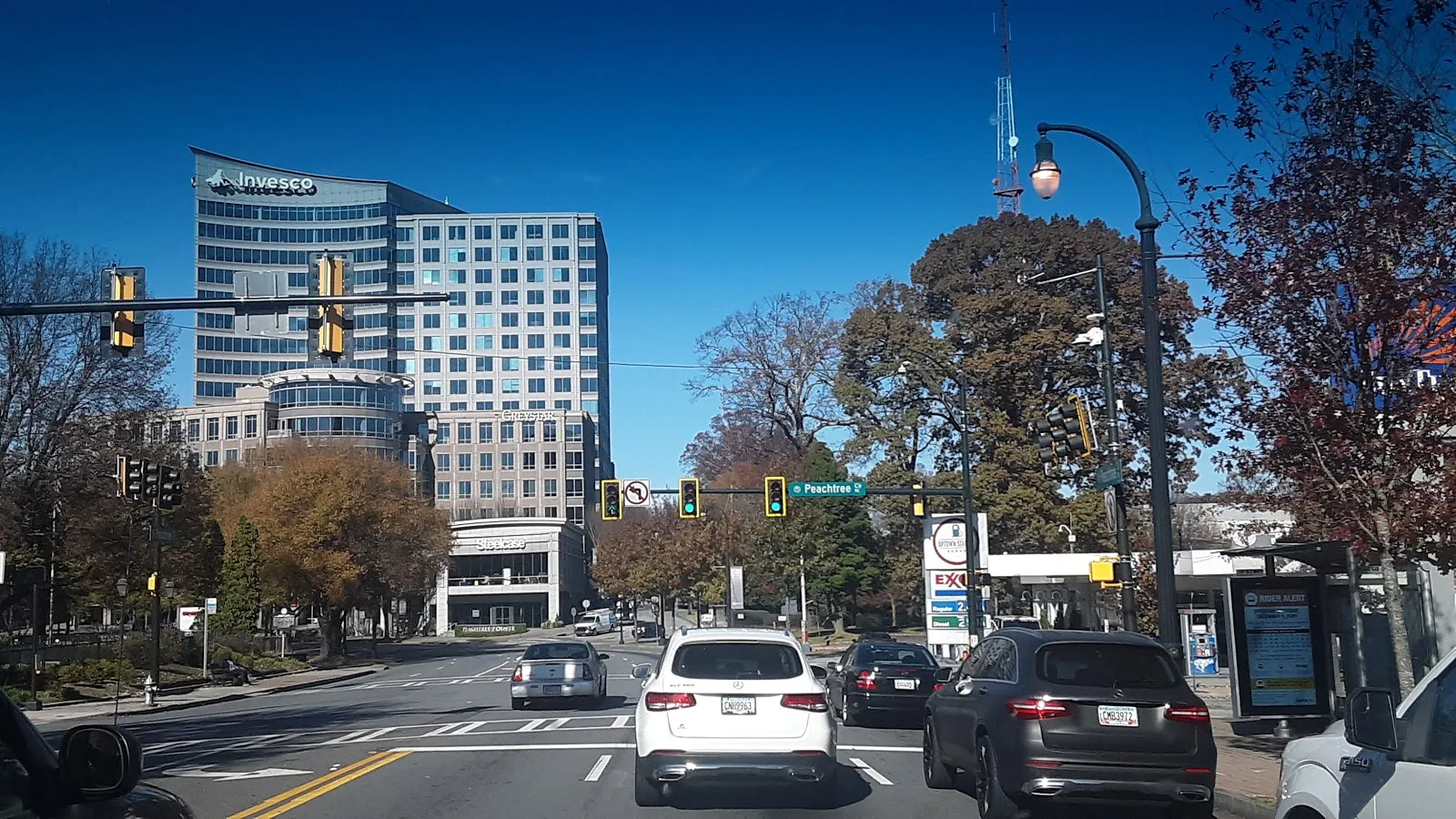
Traffic in Decatur
Decatur, Alabama, is a city where transportation data for 2024 shows a unique landscape with no dominant mode of transport.Despite the lack of specific data, Decatur is focusing on improving its transportation infrastructure and sustainability efforts.Average Commute Times
More Information
Seasonal Trends
Traffic tends to increase during the summer months due to tourism and local events.
Winter months see a decrease in traffic as residents tend to stay indoors more.
Commuter Pain Points
Lack of public transportation options can be a challenge for residents without personal vehicles.
Traffic congestion during peak hours can lead to delays and frustration.
Best Travel Times
Early mornings before 7 AM and late evenings after 7 PM are generally the best times to travel to avoid congestion.
Midday travel between 11 AM and 1 PM can also be less congested.
Event Impacts
Local festivals and events can significantly impact traffic, leading to increased congestion.
Planning ahead and using alternative routes can help mitigate delays during these times.
Sustainability Efforts
Decatur is investing in green infrastructure and promoting the use of bicycles and walking to reduce emissions.
The city is exploring the implementation of electric vehicle charging stations to support sustainable transportation.
Ride-Sharing Impact
Ride-sharing services are becoming more popular, providing flexible transportation options for residents.
These services help reduce the number of cars on the road, contributing to less congestion and lower emissions.