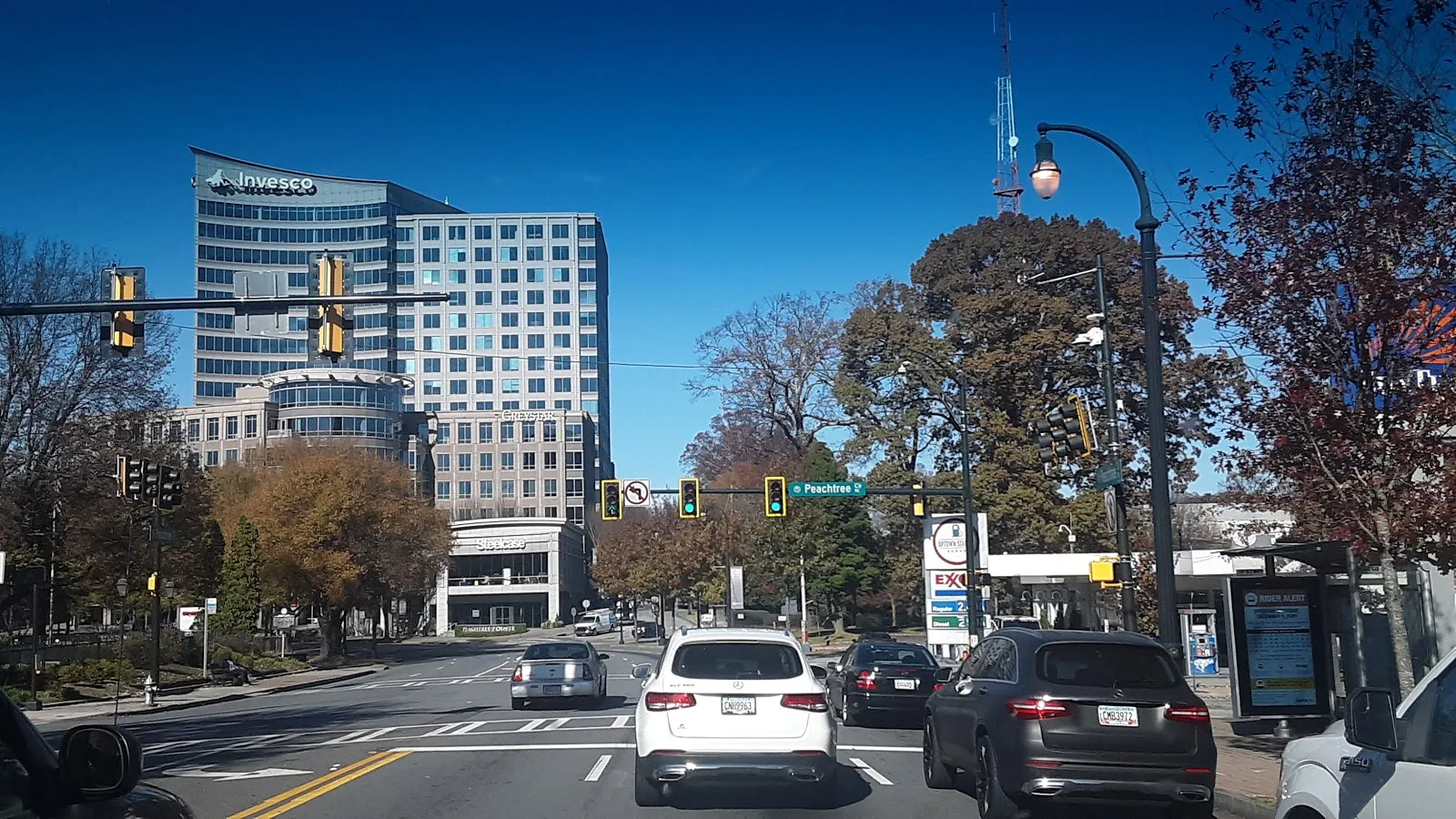
Traffic in Duluth
In 2024, Duluth, GA, remains heavily reliant on cars for commuting, with 100% of commuters using this mode of transport.The city's traffic patterns reveal significant CO2 emissions and inefficiencies, highlighting areas for potential improvement.Average Commute Times
The average commute time in Duluth is 25 minutes, with a typical distance of 18.1 miles.
- Car - Car commuters in Duluth experience an average drive time of 25 minutes over a distance of 18.1 miles.
Traffic Breakdown
Traffic Data
Overall average travel
Average when primarily using Car
More Information
Seasonal Trends
Traffic tends to increase during the summer months as more people travel for leisure.
Winter months may see reduced traffic due to adverse weather conditions affecting driving.
Commuter Pain Points
Heavy reliance on cars leads to congestion during peak hours.
Limited public transportation options restrict commuter flexibility.
Best Travel Times
Early mornings before 7 AM are ideal for avoiding traffic congestion.
Late evenings after 7 PM generally see reduced traffic volumes.
Event Impacts
Local events, such as festivals and sports games, can significantly increase traffic congestion.
Planning travel around these events can help avoid delays.
Sustainability Efforts
Duluth is exploring initiatives to promote carpooling and the use of electric vehicles.
Efforts to expand bike lanes and pedestrian paths are underway to encourage non-car travel.
Ride-Sharing Impact
Ride-sharing services have slightly reduced the need for personal car ownership.
These services offer flexible commuting options, potentially easing traffic congestion.