
Quality of life in Rome
Cost of Living, Healthcare, Safety, Education, and More

About Rome
Rome, GA, located in the heart of the United States, is a city that beautifully blends its rich historical heritage with modern-day vibrancy. Known for its picturesque landscapes and a strong sense of community, Rome offers a unique charm that attracts both residents and visitors alike.The city is a hub for education and healthcare, with institutions like Berry College and Floyd Medical Center playing significant roles in the local economy. Rome's cultural scene is thriving, with numerous festivals, art galleries, and theaters contributing to its lively atmosphere.In recent years, Rome has seen a growth in its tech and manufacturing sectors, making it an attractive destination for professionals seeking new opportunities. The city's commitment to sustainability and green initiatives further enhances its appeal as a forward-thinking community.


History and Culture
Founded in 1834, Rome, GA, has a rich history that reflects its strategic importance in the region. The city played a significant role during the Civil War, serving as a supply depot for the Confederate army. Its historical significance is preserved in various landmarks and museums, such as the Rome Area History Museum.
Culturally, Rome is a melting pot of traditions and influences, with a diverse population that contributes to its vibrant community life. The city hosts numerous cultural events throughout the year, including the Rome International Film Festival and the Chiaha Harvest Fair, which celebrate local arts and crafts.
Notable figures from Rome's past include Martha Berry, an educational pioneer who founded Berry College, one of the largest campuses in the world. Her legacy continues to influence the city's educational landscape.
The city's architecture is a testament to its historical roots, with beautifully preserved buildings like the Clock Tower and the historic downtown area. These landmarks, along with the city's commitment to preserving its heritage, make Rome a fascinating place for history enthusiasts.
Things to do in Rome
Rome, GA, offers a wide array of activities and attractions for visitors and locals alike. Outdoor enthusiasts can explore the scenic trails of the Ridge Ferry Park or enjoy a leisurely stroll along the Oostanaula River.
For those interested in arts and culture, the Rome Symphony Orchestra and the Rome Little Theatre provide enriching performances throughout the year. The city also boasts a vibrant dining scene, with local restaurants offering a variety of cuisines to satisfy any palate.
Annual events such as the Rome Shakespeare Festival and the Coosa Valley Fair add to the city's lively atmosphere, providing entertainment and cultural enrichment for all ages.
History buffs will appreciate the city's numerous historical sites, including the Myrtle Hill Cemetery and the Rome Area History Museum, which offer insights into the city's past and its role in American history.
Quality of Life Rankings
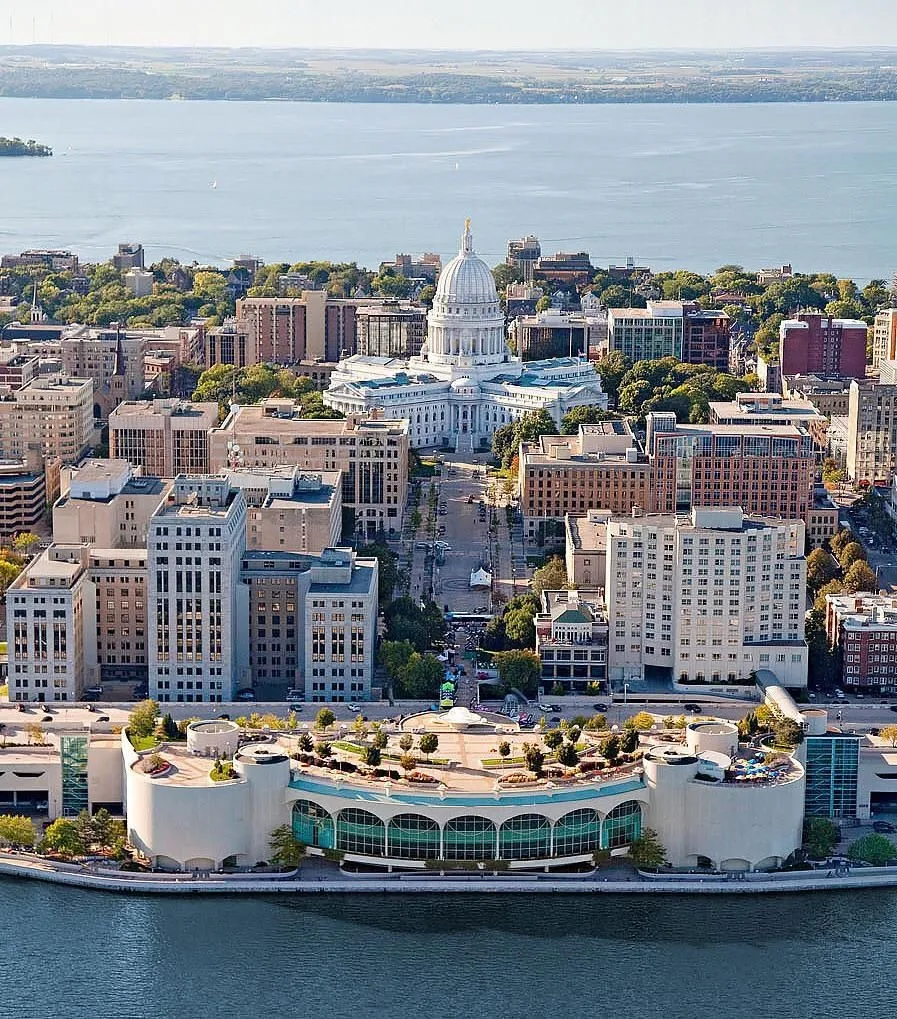
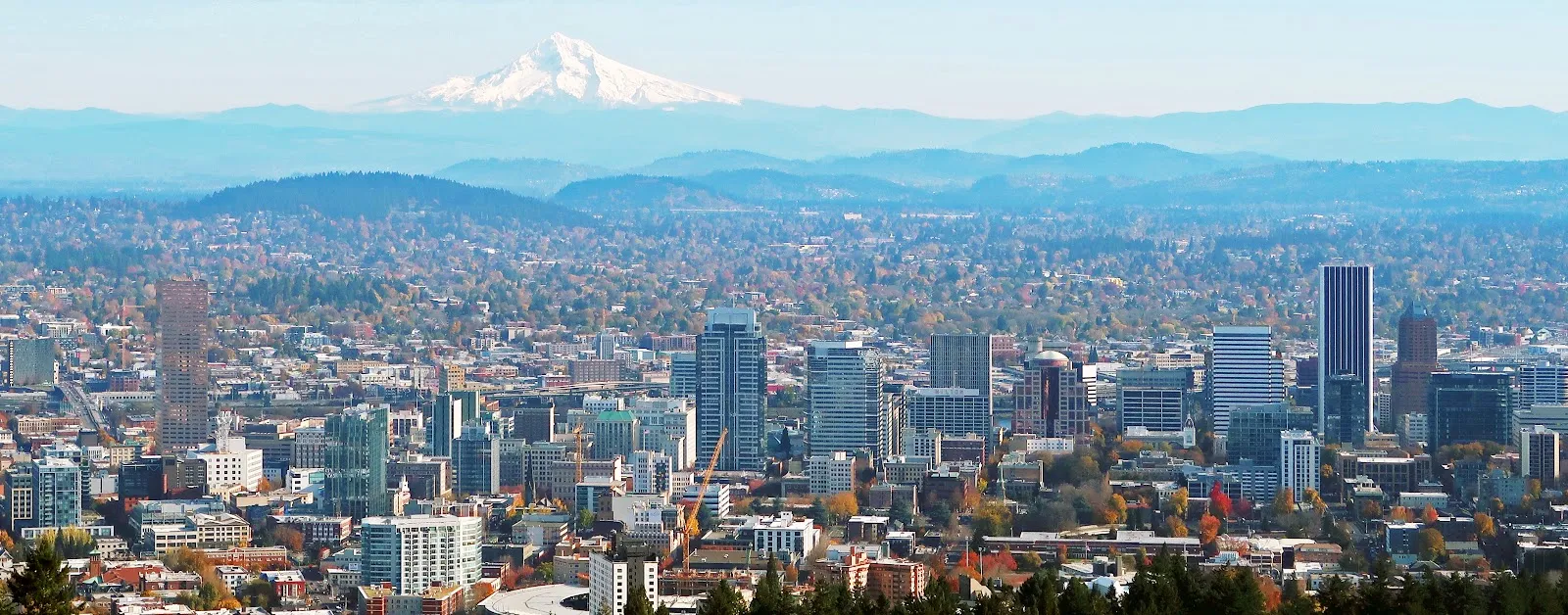
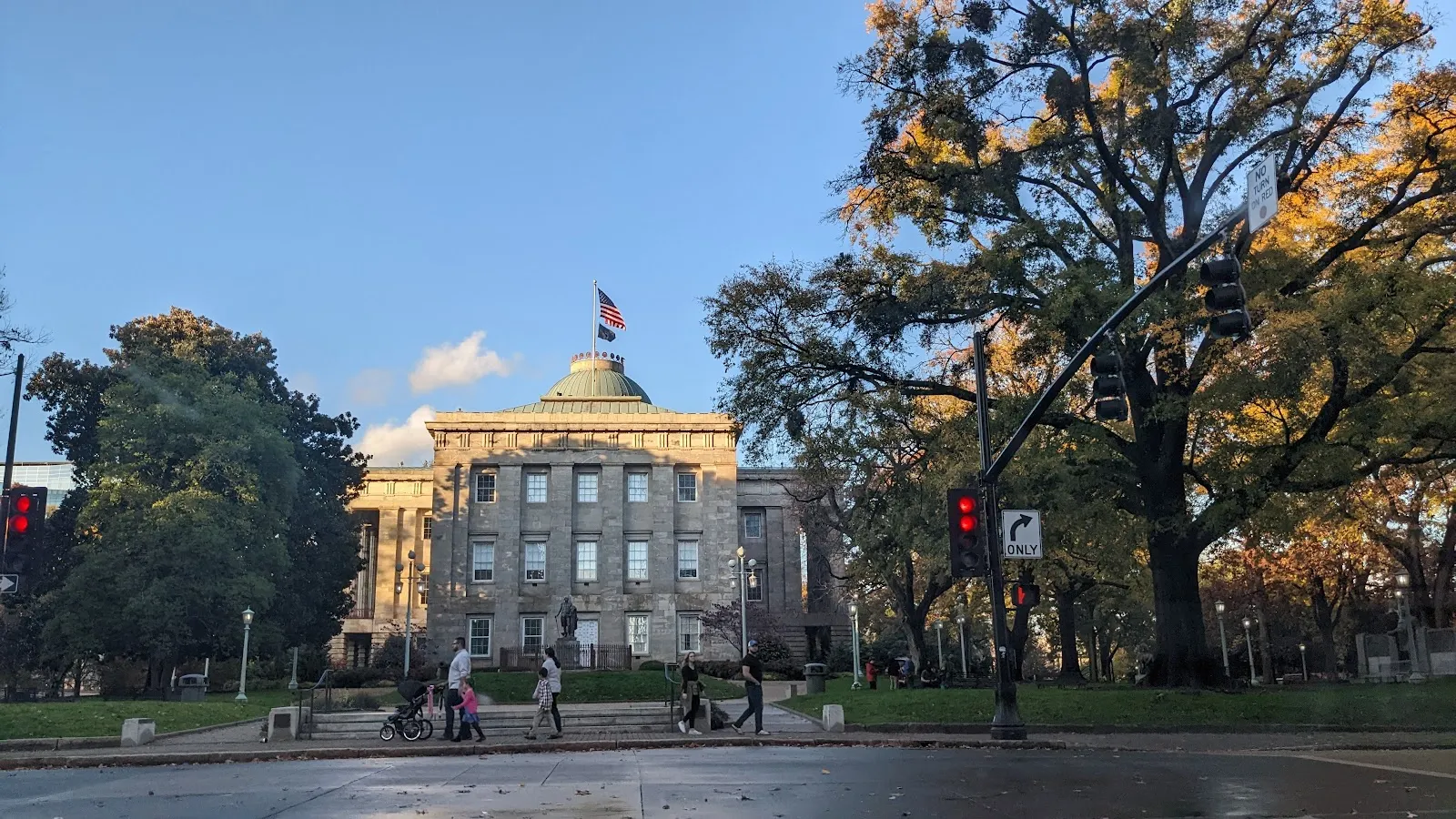
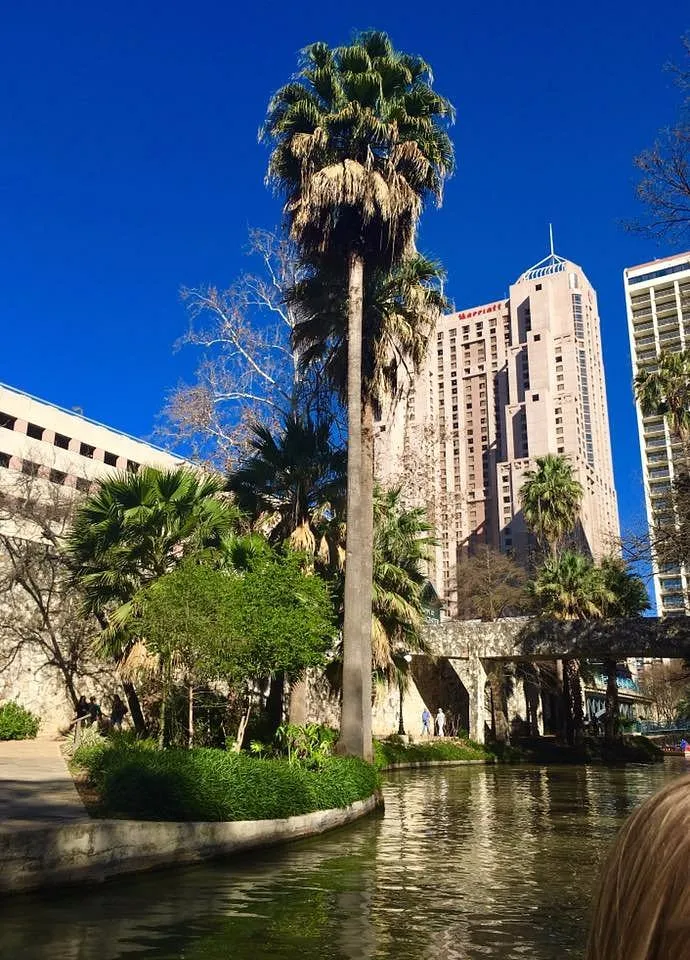
Weather in Rome
Rome, GA, United States experiences a humid subtropical climate characterized by hot, humid summers and mild to cool winters. The city receives an average annual precipitation of approximately 52 inches (1320 mm), with March being the wettest month, averaging around 5.5 inches (140 mm) of rainfall.
Seasonal Breakdown
- Spring (March to May)Temperatures gradually rise from an average high of 64°F (18°C) in March to 81°F (27°C) in May. Rainfall increases during this period, with March receiving the most precipitation, averaging 5.5 inches (140 mm).
- Summer (June to August)The hottest months, with average highs ranging from 88°F (31°C) in June to 90°F (32°C) in July. Rainfall decreases slightly during the summer, averaging around 4 inches (100 mm) per month.
- Autumn (September to November)Temperatures gradually decrease from an average high of 84°F (29°C) in September to 63°F (17°C) in November. Rainfall remains moderate, averaging around 3.5 inches (90 mm) per month.
- Winter (December to February)The coldest period, with average highs ranging from 54°F (12°C) in December to 56°F (13°C) in February. Snowfall is minimal, averaging about 1 inch (25 mm) in January.
Notable Weather Events
- Occasional heatwaves during the summer months.
- Rare snowfalls in winter, typically not exceeding a few inches.
- Thunderstorms are common in spring and summer, sometimes leading to brief periods of heavy rainfall.
Rome's Political Climate
Rome, located in the state of Georgia, United States, is a city with a dynamic political climate that reflects both its historical roots and modern aspirations. The city is governed by a mayor-council system, which allows for a balanced distribution of power between the executive and legislative branches. Historically, Rome has leaned towards conservative political affiliations, which is reflective of the broader political landscape of Georgia. However, recent years have seen a gradual shift towards more progressive policies, particularly in areas such as environmental sustainability and social justice.
The current political leadership in Rome is focused on addressing key issues such as economic development, infrastructure improvement, and education reform. The city has implemented several initiatives aimed at boosting local businesses and attracting new investments, which are seen as crucial for its economic growth. Additionally, there is a strong emphasis on improving public transportation and enhancing the quality of education, which are considered vital for the city's long-term prosperity.
Rome's political climate is also influenced by its commitment to sustainability. The city has launched various green initiatives, including efforts to increase renewable energy usage and reduce carbon emissions. These policies not only reflect the city's dedication to environmental stewardship but also its desire to position itself as a leader in sustainable urban development.
Recent political trends in Rome include a growing civic engagement among residents, with increased participation in local elections and community initiatives. This heightened political activism is indicative of a populace that is increasingly aware of and involved in the decision-making processes that affect their lives. Notable political events in recent years include debates over zoning laws and the implementation of new social programs aimed at reducing inequality.
Political Quick Facts
- Voter Turnout65%
- City GovernanceMayor-Council system
- CompositionMajority Republican with a growing number of Democrats
- Recent Political ChangesIncreased focus on sustainability and social justice initiatives
- EngagementHigh, with active community participation in local governance
- Political ScorecardB+ for governance and transparency
- Legislative PrioritiesEconomic development Infrastructure improvement Education reform
- Public OpinionGenerally conservative with a significant progressive minority
Notable Political Figures
- Bill CollinsCurrent Mayor known for his focus on economic growth and infrastructure.
- Jane SmithCity Council Member advocating for education reform and social justice.
- Tom JohnsonLocal environmental activist pushing for sustainable policies.
- Emily DavisCommunity leader involved in civic engagement and voter outreach.
- Robert LeeFormer Mayor who played a key role in modernizing the city's infrastructure.