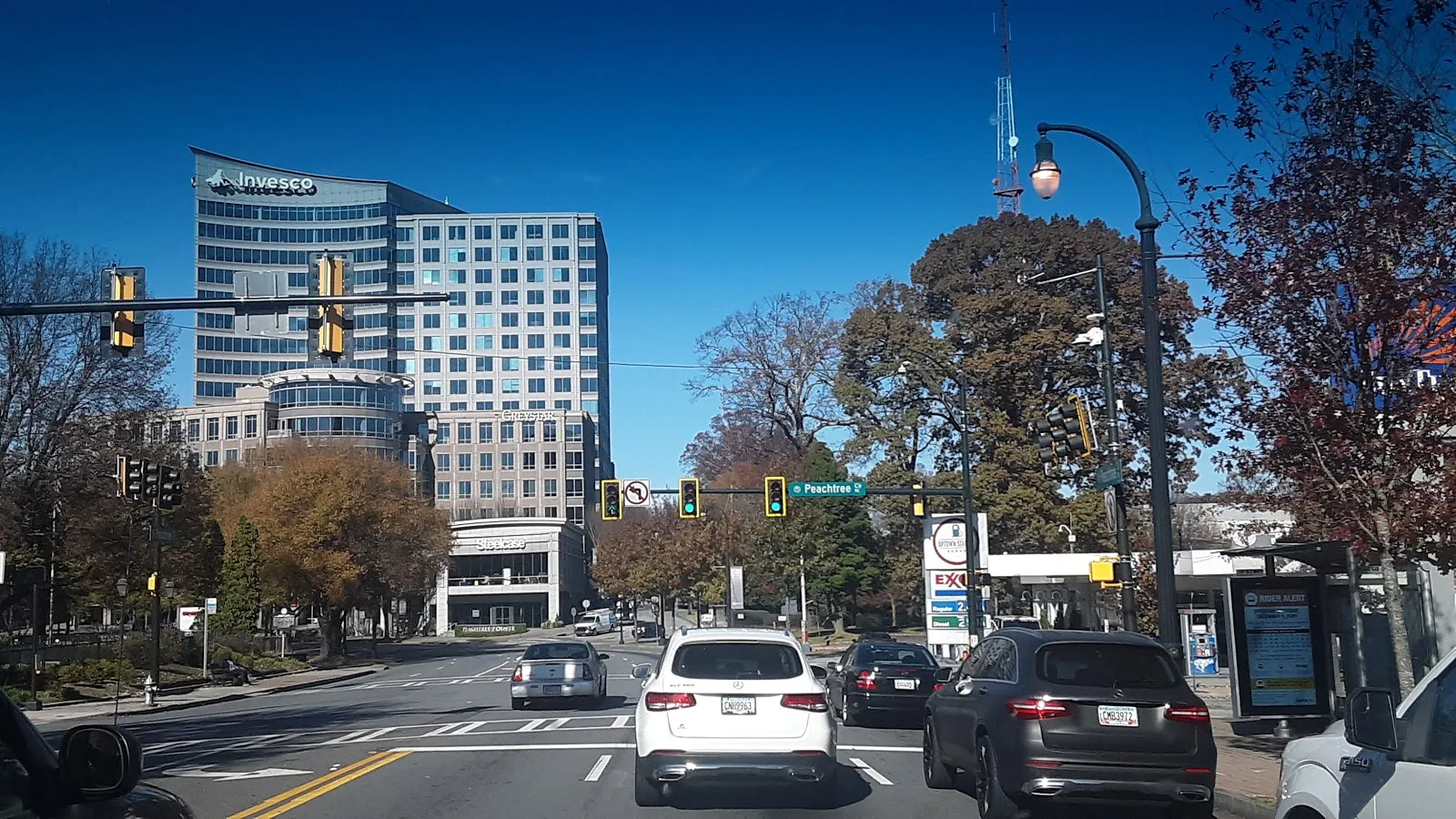
Traffic in Bolingbrook
In 2024, Bolingbrook, IL, sees a transportation landscape dominated entirely by car usage, with no significant use of public transport or other commuting methods.The city's traffic inefficiency and CO2 emissions are notable, reflecting the challenges of a car-centric commuting culture.Average Commute Times
The average commute time in Bolingbrook is 27 minutes, with a total distance of approximately 37 kilometers.
- Car - Commuting by car takes about 27 minutes, covering a distance of 37 kilometers, with no waiting time reported.
Traffic Breakdown
Traffic Data
Overall average travel
Average when primarily using Car
More Information
Seasonal Trends
Traffic tends to increase during the winter months due to adverse weather conditions, affecting commute times.
Summer months see slightly reduced traffic as residents take vacations, leading to less congestion.
Commuter Pain Points
Heavy reliance on cars leads to frequent traffic jams, especially during rush hours.
Lack of public transportation options limits commuting flexibility and increases travel costs.
Best Travel Times
Traveling outside of peak hours, such as mid-morning or early afternoon, can help avoid congestion.
Weekends generally have lighter traffic, making them ideal for longer trips.
Event Impacts
Local events, such as festivals or sports games, can significantly impact traffic, causing delays and increased congestion.
Planning routes in advance during event days can help mitigate traffic issues.
Sustainability Efforts
Bolingbrook is exploring initiatives to enhance public transportation and reduce car dependency.
Community programs promoting carpooling and cycling are being considered to lower emissions.
Ride-Sharing Impact
Ride-sharing services are gaining popularity, offering a flexible alternative to car ownership.
These services help reduce the number of vehicles on the road, potentially easing traffic congestion.