
Quality of life in Topeka
Cost of Living, Healthcare, Safety, Education, and More

About Topeka
Topeka, the capital city of Kansas, is a vibrant hub of history and culture nestled in the heart of the United States. Known for its rich historical significance and diverse cultural landscape, Topeka offers a unique blend of traditional Midwestern charm and modern urban development.The city is home to a variety of industries, including government, education, and healthcare, which contribute to its stable economy. Emerging trends in Topeka include a growing focus on technology and innovation, with new initiatives aimed at fostering entrepreneurship and attracting tech startups.Topeka's community is characterized by its welcoming atmosphere and strong sense of civic pride, making it an attractive place for families and individuals seeking a balanced lifestyle.


History and Culture
Topeka's history dates back to its founding in 1854, playing a pivotal role in the anti-slavery movement during the Bleeding Kansas era. The city was a significant site in the struggle for civil rights, most notably with the landmark Brown v. Board of Education Supreme Court case in 1954, which declared racial segregation in public schools unconstitutional.
Culturally, Topeka is a melting pot of influences, with a vibrant arts scene that includes the Topeka Civic Theatre, the Mulvane Art Museum, and the Kansas Ballet. The city's cultural institutions offer a wide range of performances and exhibitions that reflect its diverse heritage.
Topeka's ethnic diversity is celebrated through various festivals and events, such as the annual Fiesta Mexicana, which highlights the contributions of the Hispanic community to the city's cultural fabric. The city's architecture, including the Kansas State Capitol building, showcases a blend of historical and modern styles, further enriching its cultural landscape.
Things to do in Topeka
Visitors to Topeka can explore a variety of attractions and activities that cater to all interests. The Kansas State Capitol, with its stunning murals and dome tours, offers a glimpse into the state's political history.
Outdoor enthusiasts can enjoy the scenic beauty of Lake Shawnee, which provides opportunities for boating, fishing, and picnicking. The Topeka Zoo and Conservation Center is another popular destination, featuring a wide array of animal exhibits and educational programs.
For those interested in the arts, the NOTO Arts District is a must-visit, offering galleries, studios, and live performances. Food lovers can indulge in Topeka's diverse culinary scene, with local favorites ranging from classic American diners to authentic international cuisine.
Quality of Life Rankings
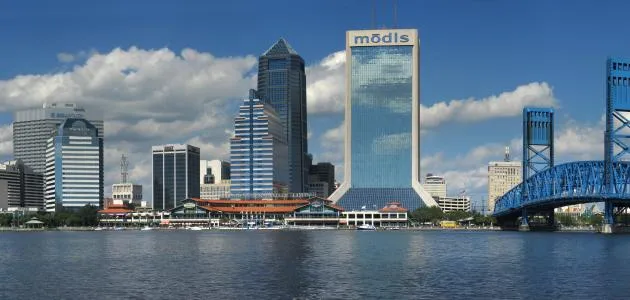
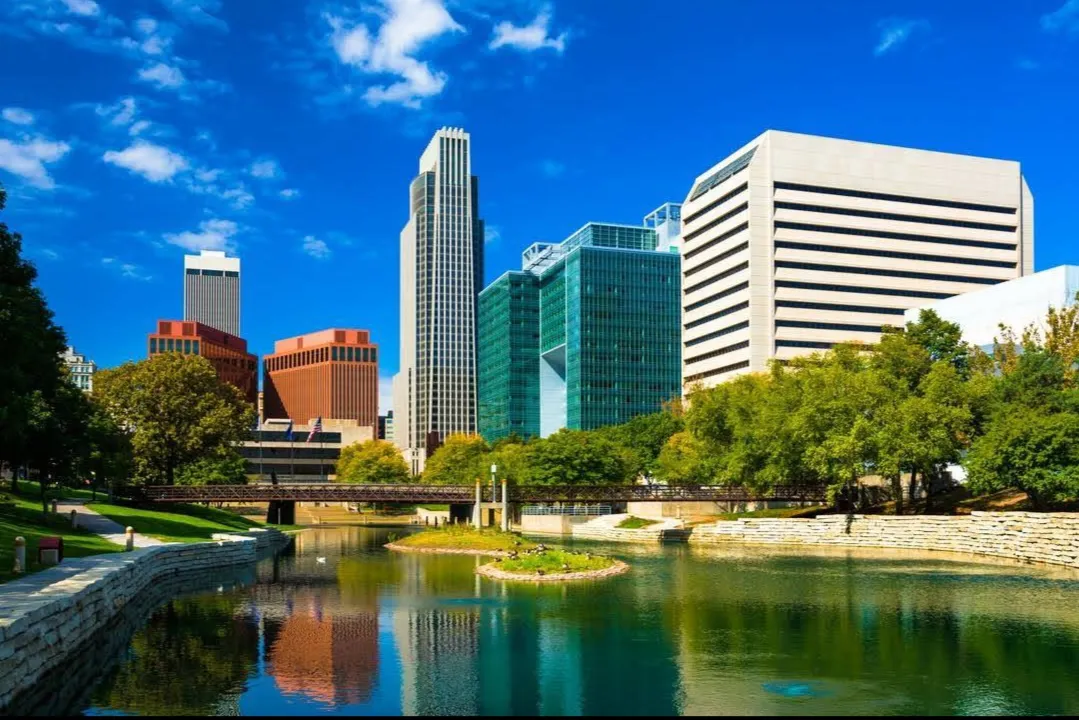
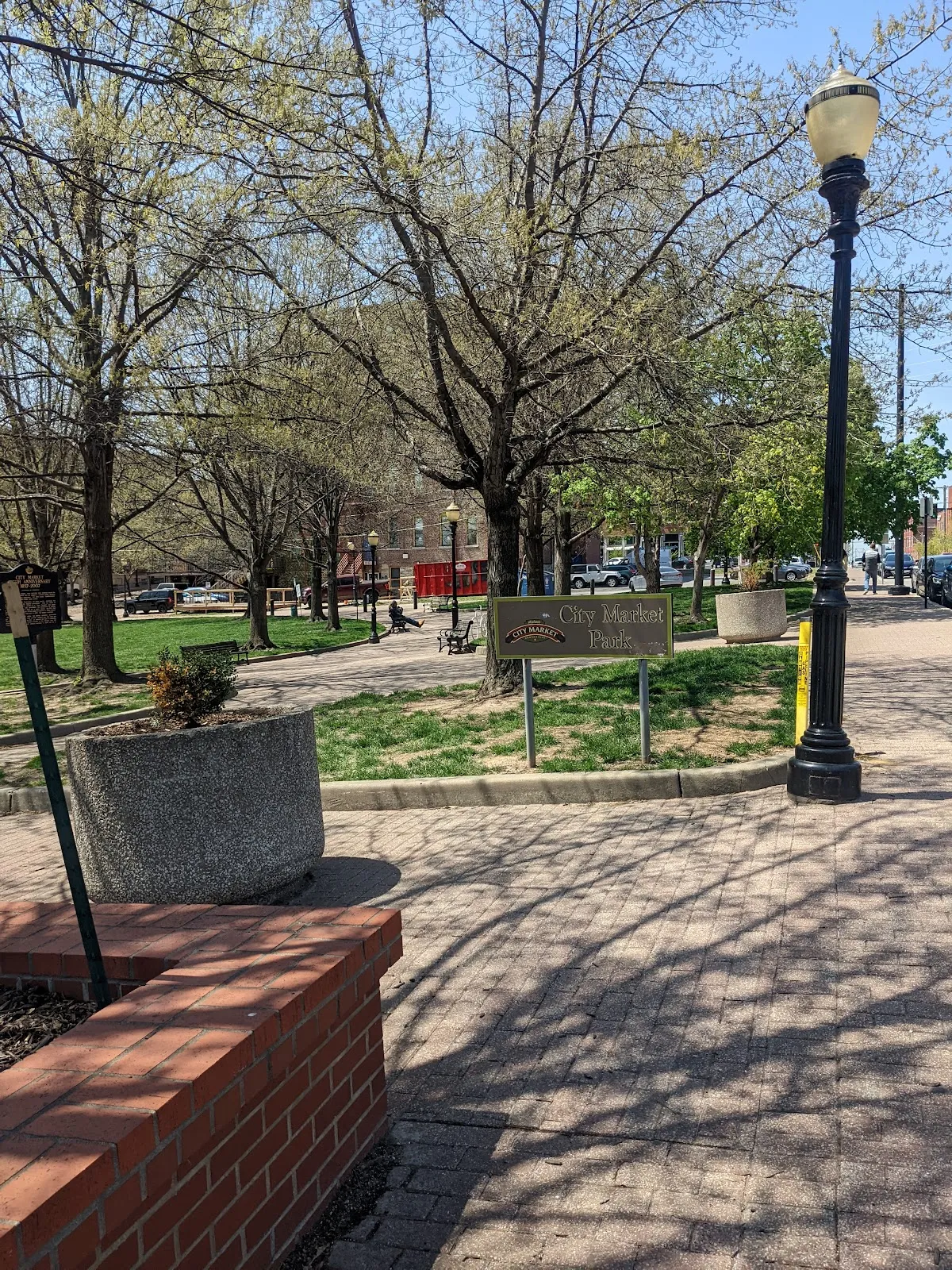
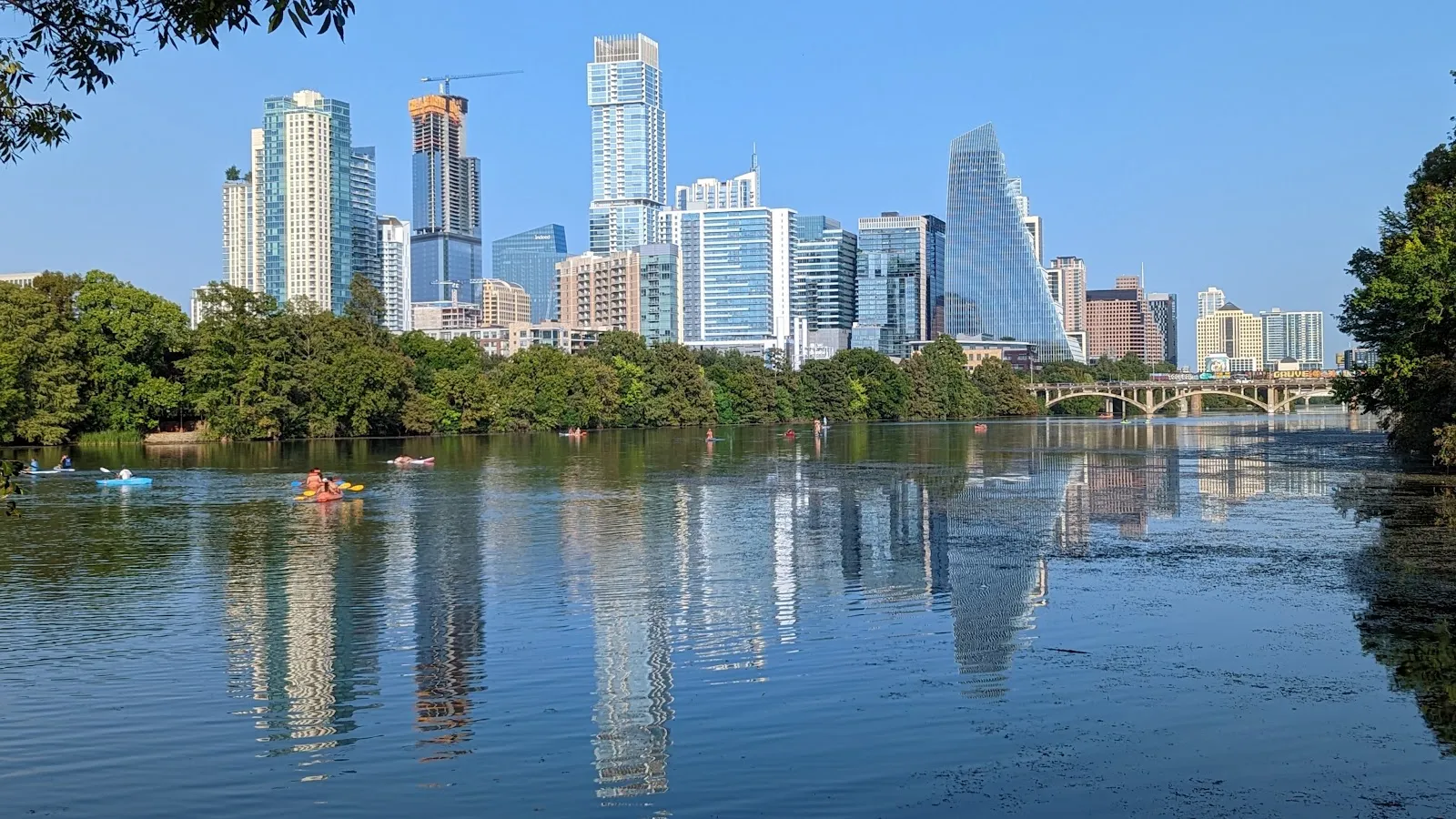
Weather in Topeka
Topeka, KS, United States experiences a humid continental climate characterized by hot, humid summers and cold, dry winters. The city receives an average annual precipitation of approximately 36 inches (914 mm), with May being the wettest month, averaging 5 inches (127 mm) of rainfall.
Seasonal Breakdown
- Spring (March to May)Temperatures gradually rise from an average high of 56°F (13°C) in March to 76°F (24°C) in May. Rainfall increases during this period, with May receiving the most precipitation, averaging 5 inches (127 mm).
- Summer (June to August)The hottest months, with average highs ranging from 85°F (29°C) in June to 90°F (32°C) in July. Rainfall decreases during the summer, averaging around 3.5 inches (89 mm) per month.
- Autumn (September to November)Temperatures gradually decrease from an average high of 81°F (27°C) in September to 54°F (12°C) in November. Rainfall remains moderate, averaging around 2.5 inches (64 mm) per month.
- Winter (December to February)The coldest period, with average highs ranging from 41°F (5°C) in December to 44°F (7°C) in February. Snowfall is minimal, averaging about 5 inches (127 mm) in January.
Notable Weather Events
- Severe thunderstorms and tornadoes during spring and early summer.
- Occasional heatwaves in July and August.
- Rare but possible heavy snowfalls in winter.
Topeka's Political Climate
Topeka, the capital city of Kansas, is a hub of political activity and governance in the state. The city's political landscape is characterized by a blend of traditional values and progressive initiatives. As the state capital, Topeka plays a crucial role in shaping state policies and is home to the Kansas State Capitol, where legislative decisions are made. The city's governance is marked by a mayor-council system, with the mayor serving as the executive leader and the city council acting as the legislative body.
Historically, Topeka has been a site of significant political events, including the landmark Brown v. Board of Education case, which challenged racial segregation in public schools. This history of civil rights activism continues to influence the city's political climate, with ongoing efforts to promote social justice and equality. The current political leadership in Topeka is focused on addressing key issues such as economic development, infrastructure improvement, and public safety.
Topeka has implemented several progressive policies, particularly in the areas of sustainability and community development. The city has invested in renewable energy projects and green infrastructure to promote environmental sustainability. Additionally, Topeka has been active in fostering community engagement through various social programs aimed at improving the quality of life for its residents.
The political climate in Topeka is also shaped by recent trends and events, such as increased civic activism and participation in local governance. The city has seen a rise in grassroots movements advocating for policy changes in areas like healthcare, education, and housing. These movements reflect a growing political engagement among residents, who are increasingly involved in shaping the future of their city.
Political Quick Facts
- Voter Turnout65%
- City GovernanceMayor-Council system
- Composition5 Republicans, 4 Democrats
- Recent Political ChangesIncreased focus on renewable energy and infrastructure development
- EngagementHigh, with active participation in local governance and community initiatives
- Political ScorecardB+ for governance and transparency
- Legislative PrioritiesEconomic development Infrastructure improvement Public safety enhancement
- Public OpinionGenerally moderate with strong support for social justice and economic growth initiatives
Notable Political Figures
- Michelle De La IslaFormer Mayor known for her focus on community development and social justice.
- Brandon WhippleState Representative advocating for education reform and healthcare access.
- Roger MarshallU.S. Senator with a focus on agricultural policy and rural development.