
Quality of life in Monroe
Cost of Living, Healthcare, Safety, Education, and More

About Monroe
Monroe, located in the northeastern part of Louisiana, is a city that blends Southern charm with a rich cultural heritage. Known for its vibrant arts scene and historical significance, Monroe offers a unique blend of old-world charm and modern amenities. The city is a hub for education and healthcare, with the University of Louisiana at Monroe and several major hospitals contributing to its economy.Monroe's economy is diverse, with key industries including manufacturing, healthcare, and education. The city is also known for its emerging tech scene, which is attracting new businesses and fostering innovation. Monroe's community is tight-knit, with a strong emphasis on family values and community involvement, making it an ideal place for families and individuals seeking a welcoming environment.


History and Culture
Monroe's history dates back to the early 19th century when it was established as a trading post along the Ouachita River. The city played a significant role during the Civil War, serving as a strategic location for Confederate forces. Over the years, Monroe has evolved into a cultural hub, with its history deeply intertwined with the development of the Southern United States.
Culturally, Monroe is home to several notable institutions, including the Biedenharn Museum and Gardens, which showcases the city's artistic and historical heritage. The Masur Museum of Art is another cultural landmark, offering a diverse collection of contemporary and historical artworks. Monroe's cultural scene is further enriched by its music festivals and local traditions, which celebrate the city's diverse heritage.
The city's ethnic diversity is reflected in its cultural events and festivals, such as the annual DeltaFest, which highlights local music, food, and crafts. Monroe's community is a tapestry of different cultures, each contributing to the city's vibrant cultural landscape.
Things to do in Monroe
Monroe offers a variety of attractions and activities for residents and visitors alike. The Louisiana Purchase Gardens and Zoo is a popular destination, featuring a wide array of animals and beautiful botanical gardens. For those interested in history, the Chennault Aviation and Military Museum provides an in-depth look at the region's military history.
Outdoor enthusiasts can enjoy the scenic beauty of Black Bayou Lake National Wildlife Refuge, which offers opportunities for hiking, bird watching, and fishing. Monroe's RiverMarket is a bustling hub for shopping and dining, offering a range of local products and cuisine.
The city's food scene is a highlight, with numerous restaurants offering traditional Southern dishes and innovative culinary creations. Monroe's annual events, such as the Downtown River Jam and the Christmas on the River festival, provide entertainment and cultural enrichment throughout the year.
Quality of Life Rankings
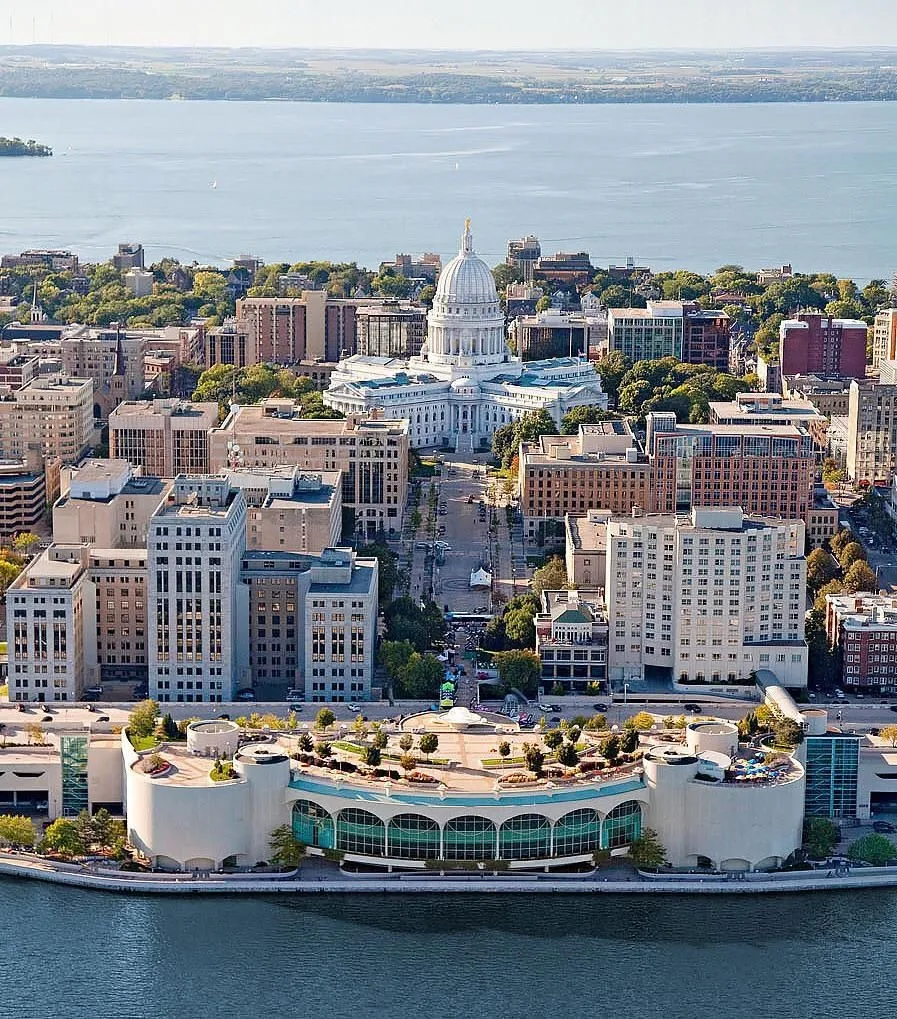
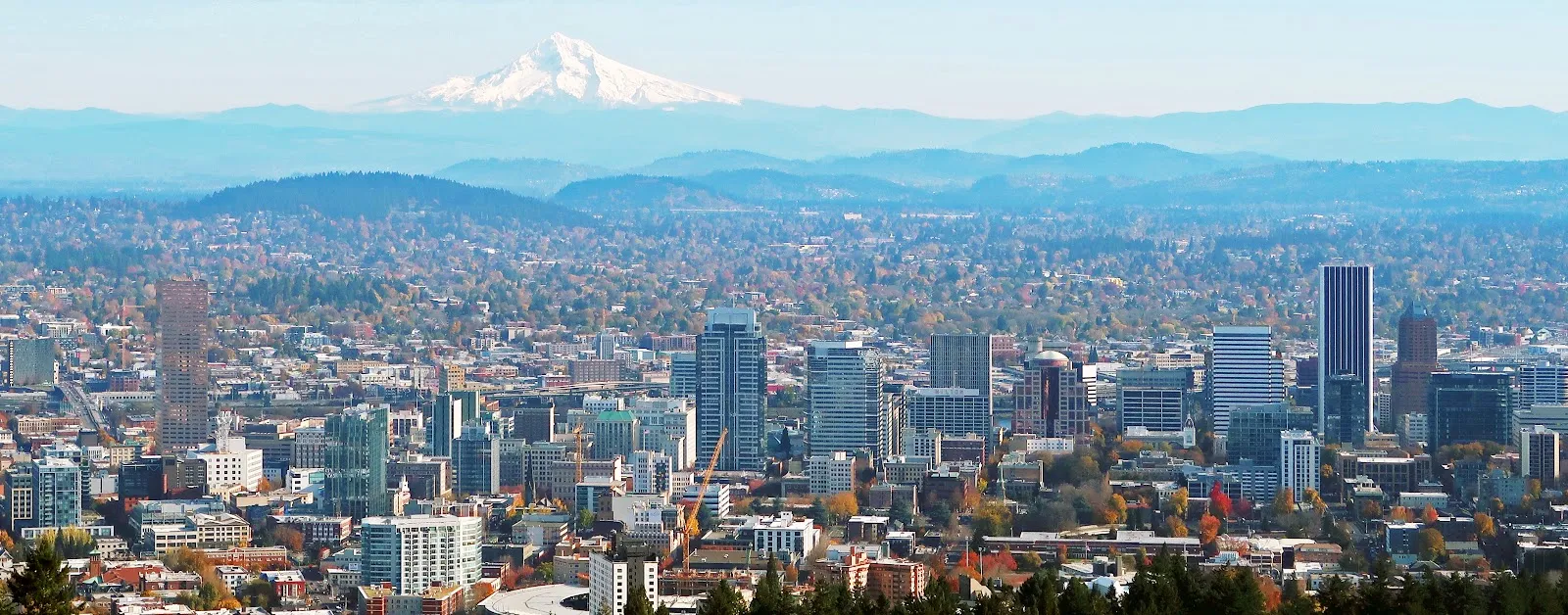
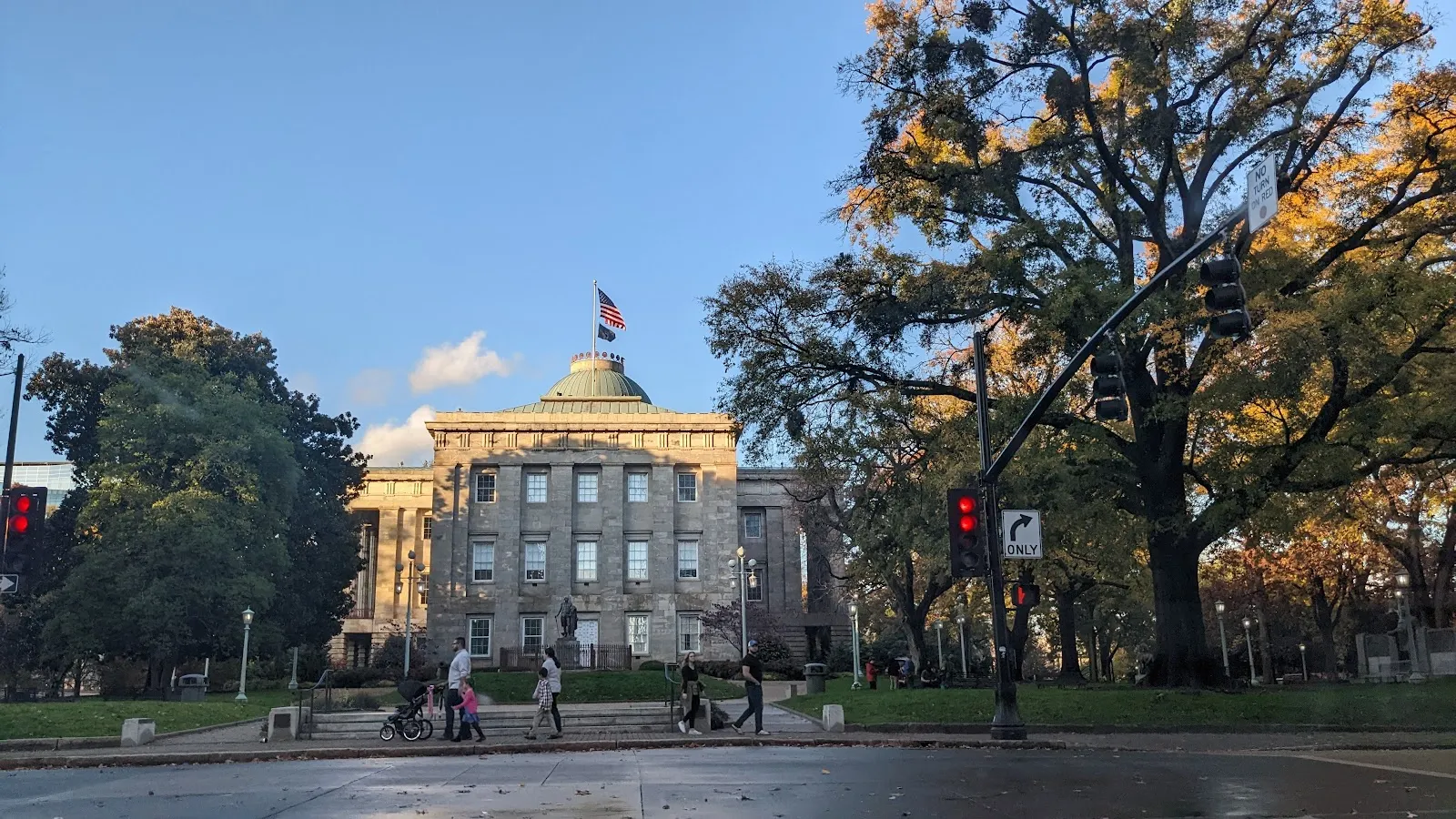
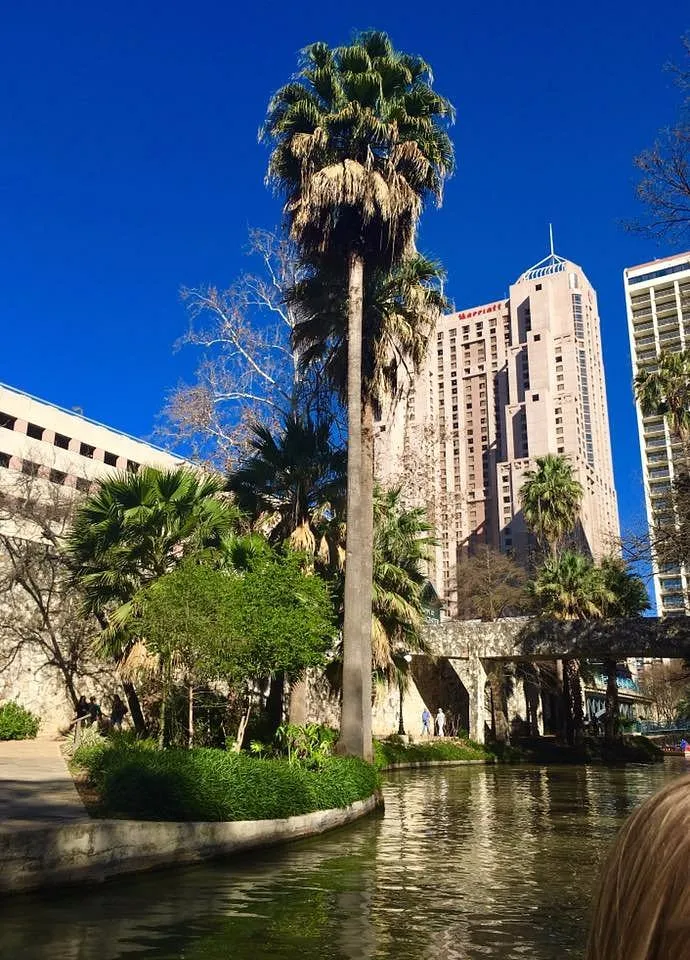
Weather in Monroe
Monroe, LA, United States experiences a humid subtropical climate characterized by hot, humid summers and mild to cool winters. The city receives an average annual precipitation of approximately 55 inches (1400 mm), with December being the wettest month, averaging around 5.5 inches (140 mm) of rainfall.
Seasonal Breakdown
- Spring (March to May)Temperatures gradually rise from an average high of 68°F (20°C) in March to 85°F (29°C) in May. Rainfall is moderate, with April receiving the most precipitation, averaging around 5 inches (127 mm).
- Summer (June to August)The hottest months, with average highs ranging from 90°F (32°C) in June to 93°F (34°C) in July. Humidity is high, and rainfall decreases slightly, averaging around 4 inches (102 mm) per month.
- Autumn (September to November)Temperatures gradually decrease from an average high of 88°F (31°C) in September to 67°F (19°C) in November. Rainfall remains moderate, averaging around 4.5 inches (114 mm) per month.
- Winter (December to February)The coldest period, with average highs ranging from 58°F (14°C) in December to 61°F (16°C) in February. Snowfall is rare, but December is the wettest month, averaging about 5.5 inches (140 mm) of rain.
Notable Weather Events
- Occasional heatwaves during the summer months.
- Rare snowfall events during winter.
- Thunderstorms are common in spring and summer, sometimes leading to severe weather conditions.
Monroe's Political Climate
Monroe, located in the northeastern part of Louisiana, is a city with a rich political history and a dynamic political climate. As of 2024, the city is governed by a mayor-council system, which allows for a balanced distribution of power between the executive and legislative branches. The political landscape in Monroe is characterized by a blend of traditional Southern conservatism and emerging progressive movements, reflecting the diverse opinions of its residents.
Historically, Monroe has been a stronghold for the Democratic Party, although recent years have seen a shift with increasing Republican influence, particularly in local elections. This shift is indicative of broader state and national trends, where political affiliations are becoming more polarized. The city's leadership is currently focused on addressing key issues such as economic development, education reform, and infrastructure improvements.
Monroe has made strides in implementing progressive policies, particularly in areas like sustainability and social justice. The city has initiated several green projects aimed at reducing carbon emissions and promoting renewable energy. Additionally, there are ongoing efforts to enhance social equity through community programs and initiatives aimed at reducing poverty and improving access to education.
The political climate in Monroe significantly influences its economic and social policies. The city's leadership is keen on fostering a business-friendly environment while ensuring that growth is inclusive and sustainable. Recent political events, such as local movements advocating for racial equality and police reform, have also shaped the city's policy directions.
Political Quick Facts
- Voter Turnout62%
- City GovernanceMayor-Council system
- Composition4 Democrats, 3 Republicans
- Recent Political ChangesShift towards more Republican influence in local elections
- EngagementModerate to high, with active community participation in local issues
- Political ScorecardB+ for governance and transparency
- Legislative PrioritiesEconomic development Education reform Infrastructure improvements
- Public OpinionGenerally moderate with a mix of conservative and progressive views
Notable Political Figures
- Jamie MayoFormer mayor known for his focus on economic development and community programs.
- Jackie JohnsonCity council member advocating for education reform and social justice.
- Fredrick JonesLocal activist and leader in the racial equality movement.