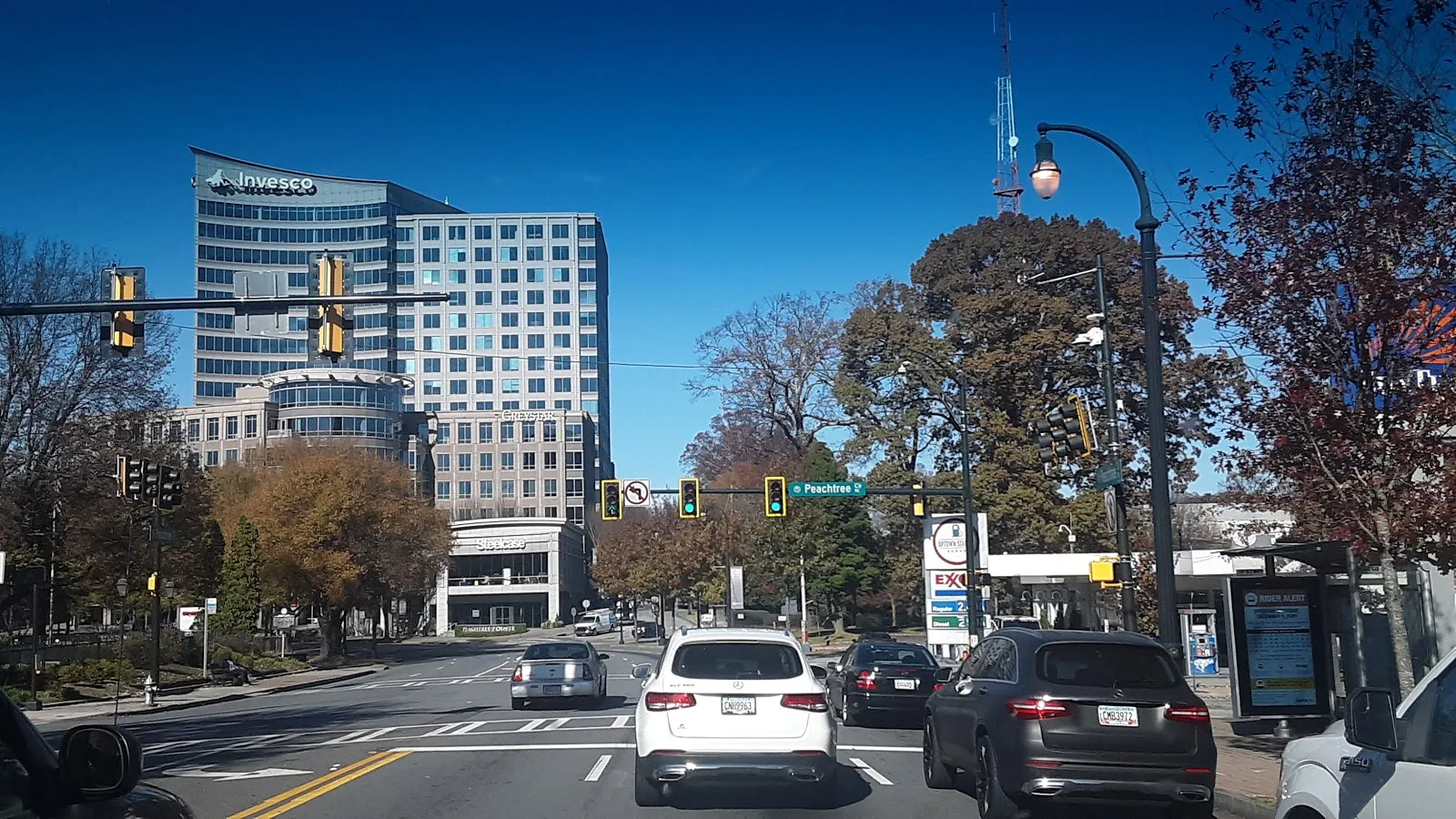
Traffic in New Orleans
In 2024, New Orleans sees a diverse range of transportation methods with a significant reliance on cars.The city's traffic patterns reveal insights into commute times and environmental impacts, offering opportunities for improvement.Average Commute Times
The average commute involves 22.79 minutes of driving and 4.04 minutes of walking, covering a distance of 20.15 km.
- Car - Car commuters spend about 30.22 minutes driving and 1.11 minutes walking, covering 25.84 km.
- Walking - Walking commutes take approximately 18 minutes, with a short driving time of 0.75 minutes, covering 2.70 km.
Traffic Breakdown
Traffic Data
Overall average travel
Average when primarily using Car
Average when primarily using Walking
More Information
Seasonal Trends
Traffic tends to increase during the summer months due to tourism.
Winter sees a slight decrease in traffic as fewer events are held outdoors.
Commuter Pain Points
Heavy reliance on cars leads to frequent traffic jams, especially during rush hours.
Limited public transportation options make commuting challenging for non-drivers.
Best Travel Times
Early mornings before 7 AM and late evenings after 7 PM are ideal for avoiding traffic.
Midday travel between 11 AM and 1 PM can also be less congested.
Event Impacts
Major events like Mardi Gras significantly increase traffic congestion.
Sporting events and festivals often lead to road closures and detours.
Sustainability Efforts
The city is investing in bike lanes and pedestrian-friendly infrastructure.
Initiatives to expand public transit aim to reduce car usage and emissions.
Ride-Sharing Impact
Ride-sharing services have reduced the need for personal car ownership.
These services help alleviate parking issues in busy areas.