Crime and Pollution in Worcester
The following data and statistics on crime, pollution, and overall safety in Worcester are derived from a combination of trusted public sources and insights gathered from over 25 user contributions.This comprehensive approach helps provide a balanced view of the city's crime rates, environmental concerns, air quality, and public safety. By aggregating information from government reports, environmental studies, and direct feedback from residents, we aim offer an up-to-date and thorough analysis of key factors impacting quality of life in Worcester.Crime Data in Worcester
Crime Perception and Concerns
In 2024, Worcester, Massachusetts, experiences a moderate level of crime concern among its residents. The perception of crime is driven largely by issues related to property theft and a significant worry about drug-related activities.
Public perception of safety indicates that residents feel considerably safer during daylight hours, although concerns regarding nighttime safety persist.
Some notable concerns include:
- Property CrimesProperty crimes, including theft and vandalism, are prevalent concerns for Worcester residents, leading to heightened anxiety. Addressing these issues is a priority for improving community safety.
- Drug-Related IssuesDrug-related problems are a major concern in Worcester, with many residents citing the presence of drug activity as a significant threat to their safety and community well-being.
- Violent CrimesViolent crimes, while not the most daunting issue, still cause unease among some residents. Concerns about potential assaults and robberies persist, influencing the overall feeling of safety.
- Public SafetyDuring daylight, Worcester residents generally report feeling secure, with public areas appearing safe and welcoming. However, apprehensions rise after dark, with fears of muggings and other violent confrontations impacting nighttime activities.
Crime Trends and Safety
- Rising Crime ConcernsAn increasing concern among Worcester's community is the perception of rising crime rates, fueled by worries about property and drug-related crimes.
- Specific FearsFears about becoming victims of property theft and drug-related crimes are more pronounced than worries about violent crimes. Additionally, some residents express concerns about being targeted based on racial or ethnic differences, emphasizing the need for inclusive safety measures.
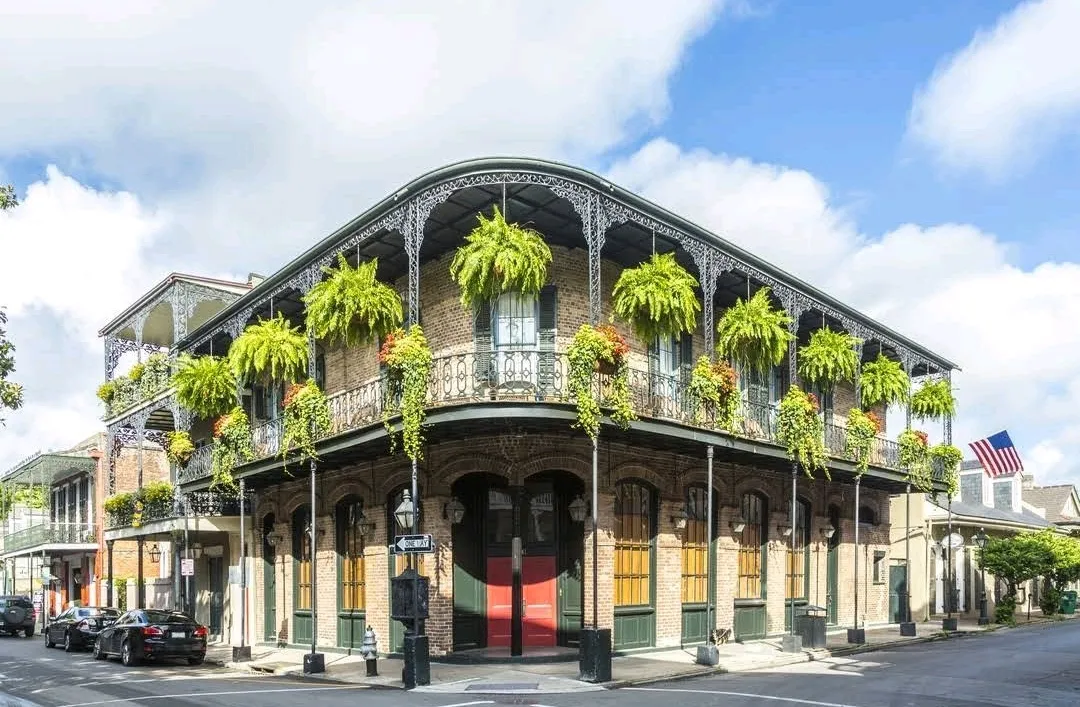
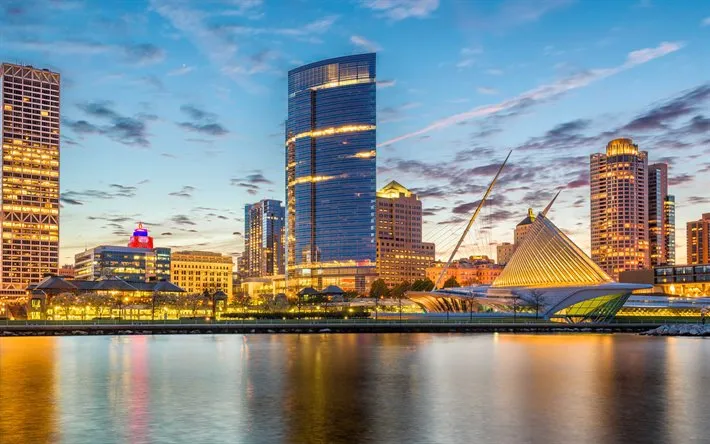
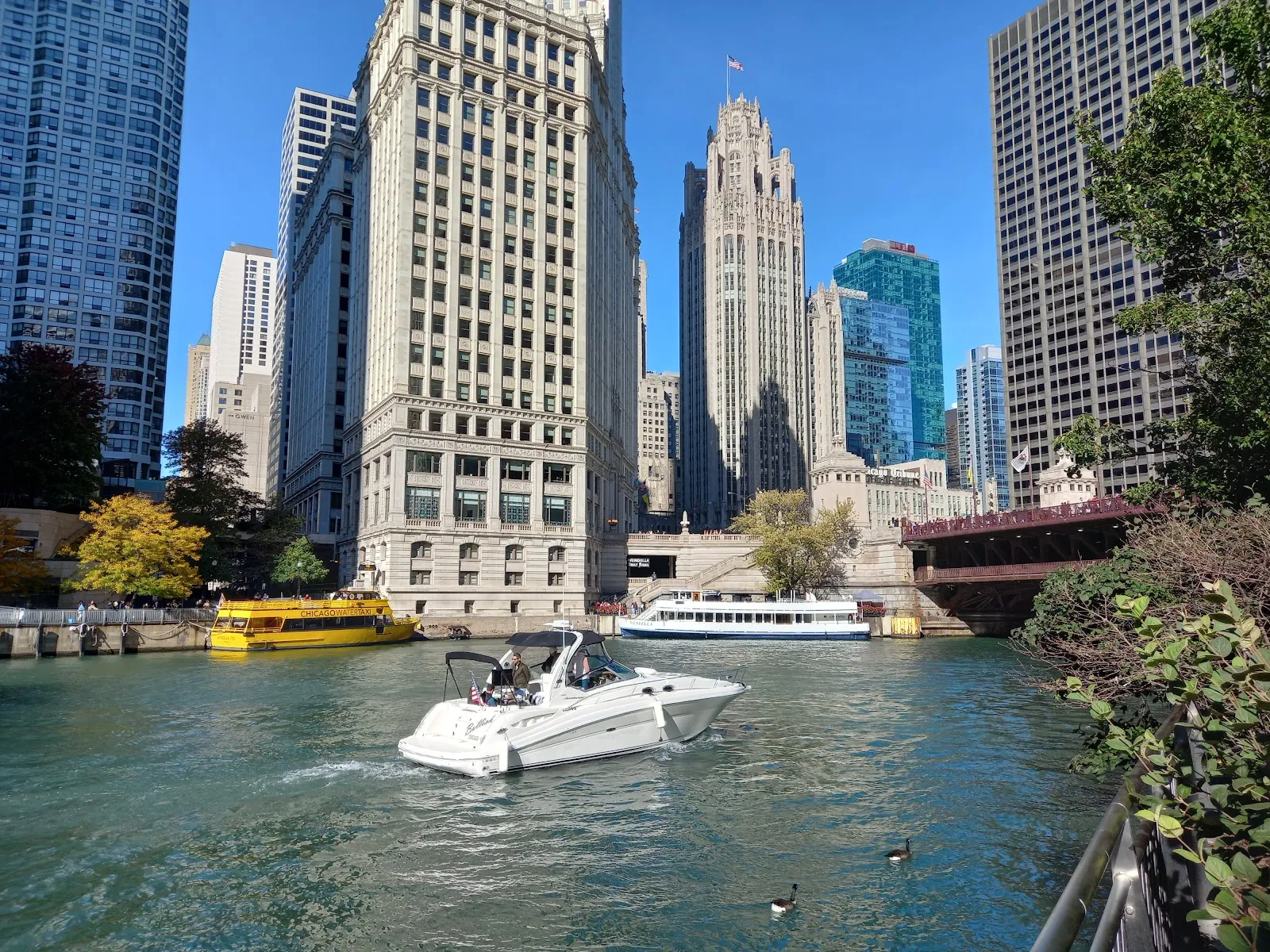
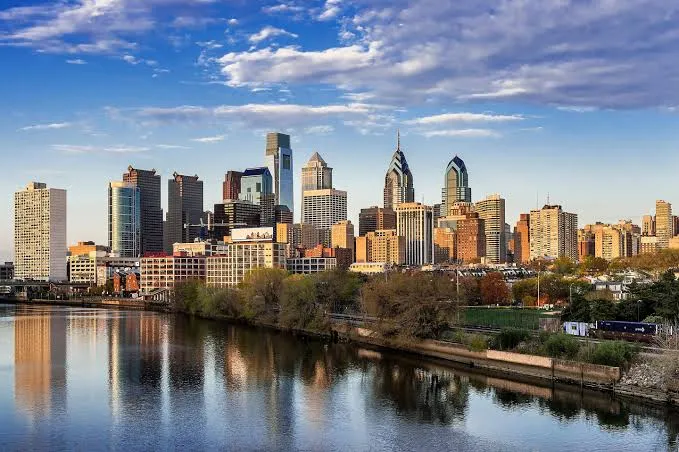
Crime Rankings
Pollution Data in Worcester
Air Quality and Pollution Levels
Worcester stands out for its excellent air quality in 2024, making significant strides in managing pollution levels. While industrial activities and traffic contribute, the city's air remains quite clean compared to larger metro areas.
Particulate matter levels, including PM2.5, are maintained well below critical limits, contributing to a healthy environment for residents.
- PM2.5 (Fine Particulate Matter)In Worcester, PM2.5 levels are responsibly managed, posing minimal health risks and supporting the city's reputation for good air quality.
- PM10 (Coarse Particulate Matter)PM10 levels complement the city's air quality management, ensuring a moderate and healthy standard that residents find satisfactory, enhancing the livability of the city.
Waste and Noise Pollution
Noise and waste management in Worcester have seen positive feedback from residents, with notable satisfaction in various neighborhoods.
Efficient garbage disposal services contribute to a cleaner, more orderly urban environment, although some residents express a desire for even better practices.
- Garbage Disposal SatisfactionSatisfaction with garbage disposal services is high, reflecting Worcester's effective waste management strategies, though continuous improvement is encouraged.
- Noise and Light PollutionNoise and light pollution are kept at manageable levels, helping maintain the quality of life and community well-being in Worcester.
Green Spaces and Water Quality
Worcester's parks and green areas are highly appreciated by its citizens as vital elements that enhance the city's natural beauty and offer restorative public spaces.
Drinking water quality meets residents' needs well, providing safe and accessible water, a significant benefit for Worcester's populace.
- Green and Parks QualityThe city's green spaces are highly esteemed, providing residents with essential recreation areas and supporting environmental well-being.
- Drinking Water QualityAccess to high-quality drinking water is a key asset for Worcester, contributing positively to the residents' quality of life.