
Quality of life in Bloomfield Hills
Cost of Living, Healthcare, Safety, Education, and More

About Bloomfield Hills
Bloomfield Hills, located in the state of Michigan, is a city known for its affluent residential character and beautiful landscapes. It is a part of the Detroit metropolitan area and is renowned for its high standard of living and excellent educational institutions.The city is characterized by its lush greenery, sprawling estates, and a strong sense of community. Bloomfield Hills is home to several notable private schools and cultural institutions, making it a desirable place for families and individuals seeking a serene yet vibrant environment.In recent years, Bloomfield Hills has seen a growth in its cultural and recreational offerings, attracting visitors and new residents alike. The city's commitment to maintaining its natural beauty and fostering a rich cultural scene makes it a unique and appealing destination.


History and Culture
Bloomfield Hills has a rich history that dates back to the early 19th century when it was first settled. The area was originally part of Bloomfield Township and became a city in 1932. Its development was largely influenced by the automotive boom in Detroit, which brought wealth and growth to the region.
The city is known for its architectural significance, with many homes designed by famous architects such as Frank Lloyd Wright. Cranbrook Educational Community, a National Historic Landmark, is a key cultural institution in Bloomfield Hills, offering a unique blend of education, art, and architecture.
Culturally, Bloomfield Hills is a hub for the arts, with institutions like the Cranbrook Art Museum and the Cranbrook Institute of Science providing residents and visitors with access to world-class exhibits and educational programs. The city's cultural landscape is further enriched by its diverse population, which contributes to a vibrant community life.
Things to do in Bloomfield Hills
Visitors to Bloomfield Hills can explore the Cranbrook Educational Community, which includes the Cranbrook Art Museum, Cranbrook House and Gardens, and the Cranbrook Institute of Science. These attractions offer a mix of art, history, and natural beauty.
Outdoor enthusiasts can enjoy the city's numerous parks and golf courses, such as the Bloomfield Hills Country Club and the Franklin Cider Mill, which is a popular spot during the fall season.
For those interested in shopping and dining, Bloomfield Hills offers a variety of upscale boutiques and restaurants, providing a range of culinary experiences from casual to fine dining.
Quality of Life Rankings
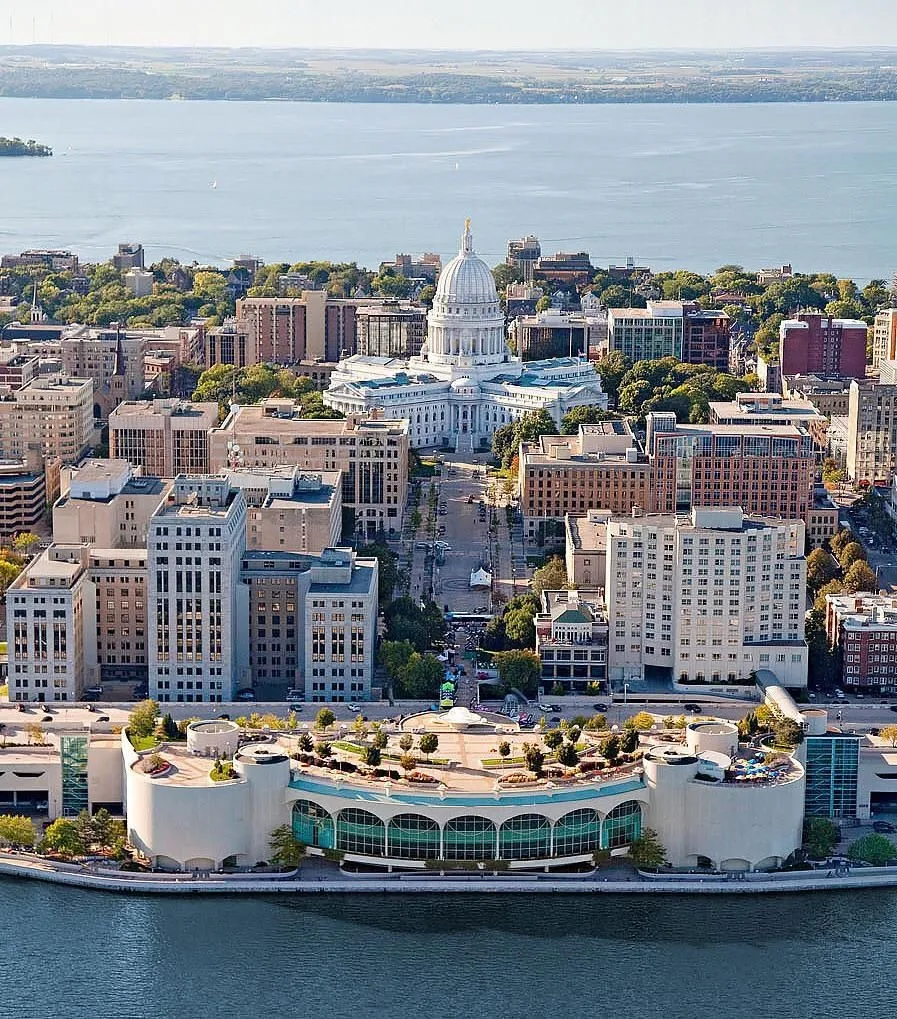
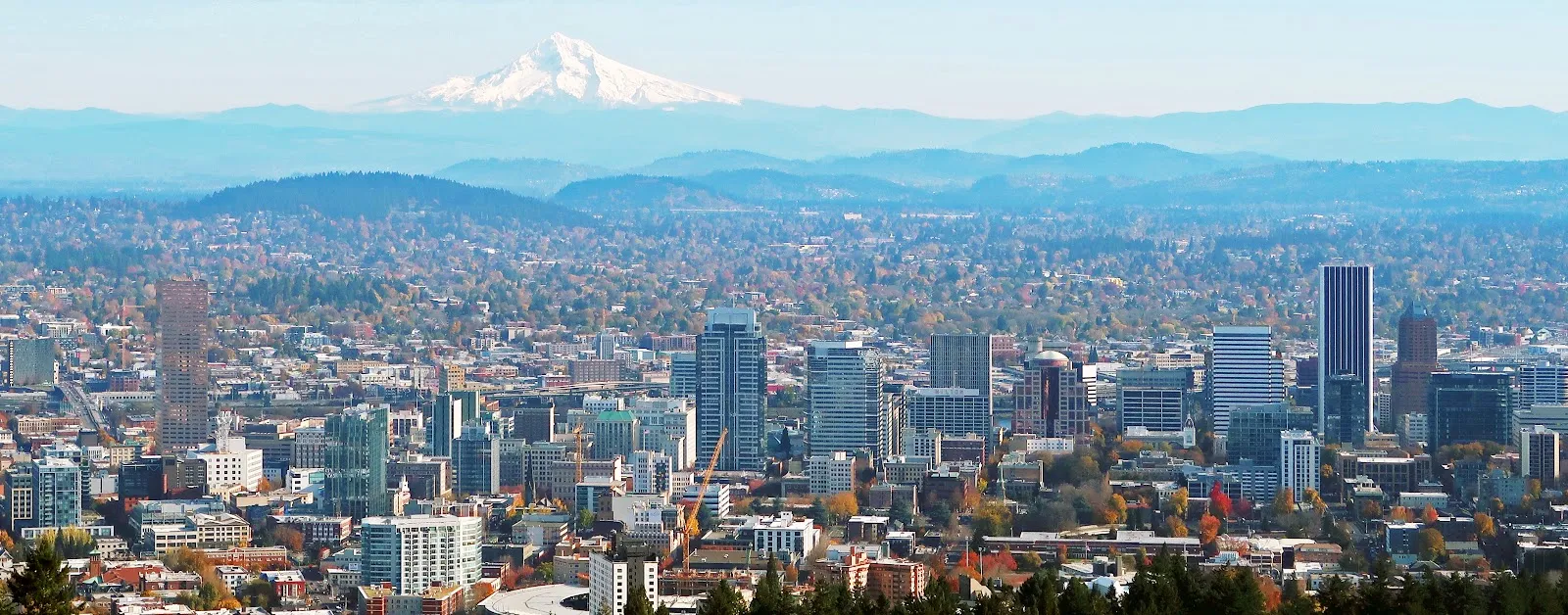
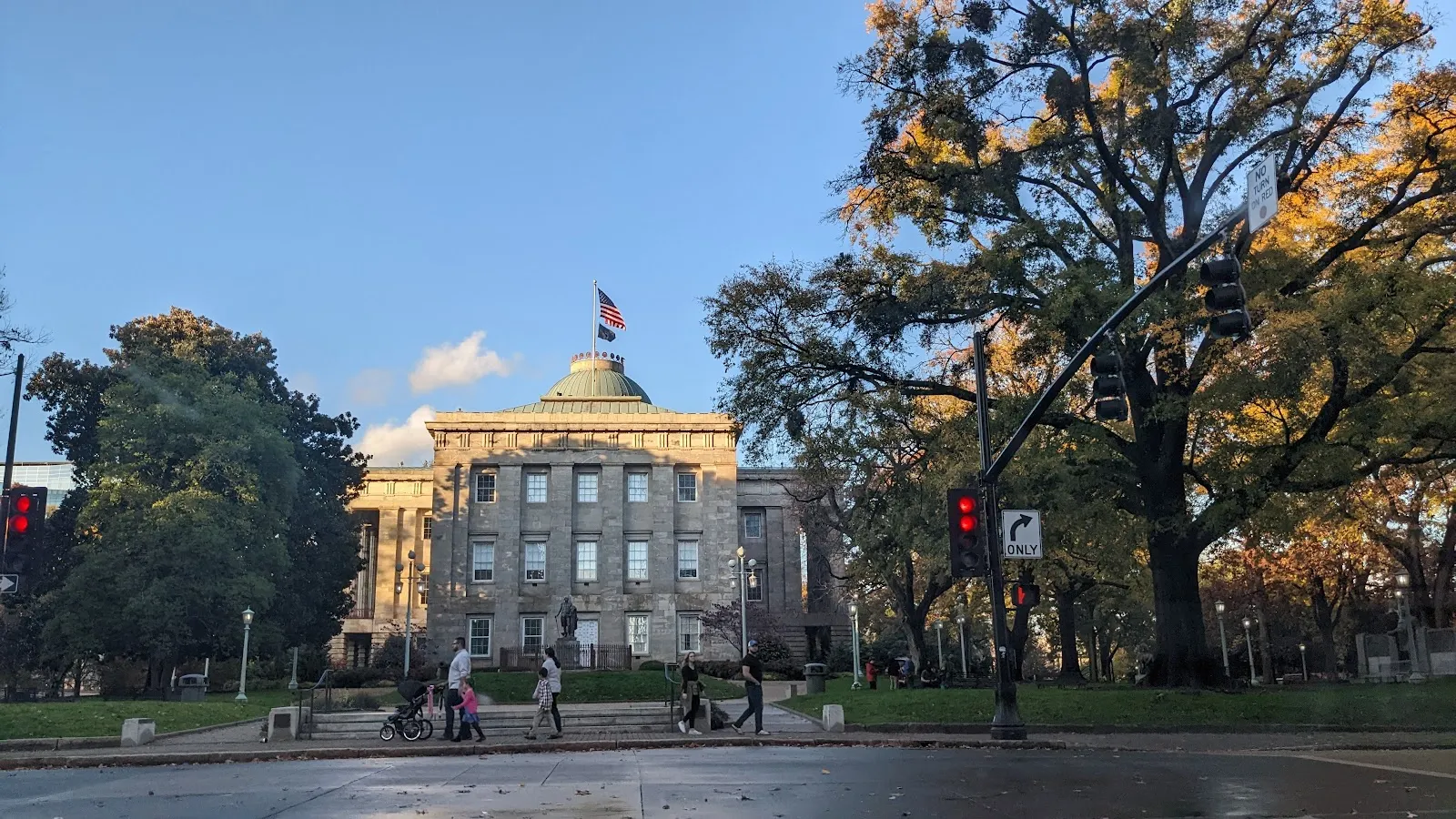
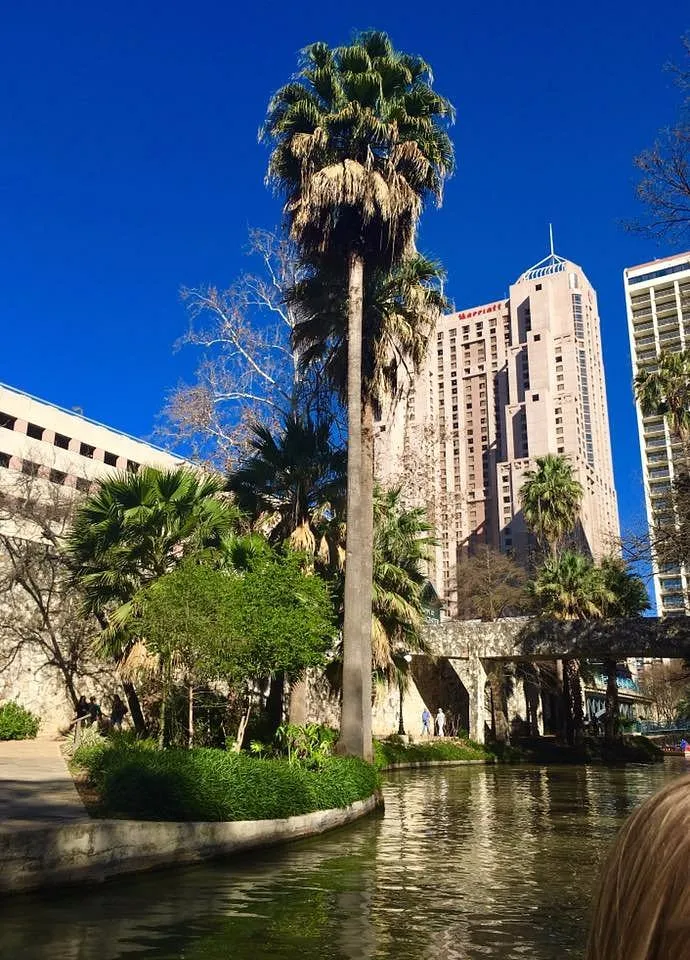
Weather in Bloomfield Hills
Bloomfield Hills, MI, United States experiences a humid continental climate characterized by four distinct seasons, with cold, snowy winters and warm, humid summers. The city receives an average annual precipitation of approximately 32 inches (813 mm), with June being the wettest month, averaging 3.5 inches (89 mm) of rainfall.
Seasonal Breakdown
- Spring (March to May)Temperatures gradually rise from an average high of 45°F (7°C) in March to 70°F (21°C) in May. Rainfall increases during this period, with May receiving the most precipitation, averaging 3.2 inches (81 mm).
- Summer (June to August)The hottest months, with average highs ranging from 78°F (26°C) in June to 83°F (28°C) in July. Rainfall is moderate, averaging around 3.5 inches (89 mm) per month, with occasional thunderstorms.
- Autumn (September to November)Temperatures gradually decrease from an average high of 75°F (24°C) in September to 48°F (9°C) in November. Rainfall remains moderate, averaging around 2.8 inches (71 mm) per month.
- Winter (December to February)The coldest period, with average highs ranging from 34°F (1°C) in December to 31°F (-1°C) in February. Snowfall is significant, averaging about 10 inches (254 mm) in January.
Notable Weather Events
- Heavy snowfalls during winter months, particularly in January and February.
- Occasional summer thunderstorms, sometimes leading to brief periods of heavy rain.
- Potential for late spring frosts, which can affect early blooming plants.
Bloomfield Hills's Political Climate
Bloomfield Hills, located in Michigan, United States, is known for its affluent community and conservative political climate. The city is governed by a council-manager system, where the city council appoints a city manager to oversee administrative operations. This structure allows for a balance between elected officials and professional management, ensuring that the city's policies align with the residents' preferences.
Historically, Bloomfield Hills has leaned towards conservative political affiliations, with a strong emphasis on maintaining local traditions and values. The city has been proactive in implementing policies that support economic growth while preserving its suburban character. Recent political discussions have focused on zoning laws, property taxes, and maintaining high standards for public services.
Bloomfield Hills has also been involved in sustainability efforts, particularly in maintaining green spaces and promoting environmentally friendly practices. The city's leadership has prioritized initiatives that enhance the quality of life for its residents, such as improving infrastructure and supporting local businesses.
The political climate in Bloomfield Hills significantly influences its economic and social decisions. The city's commitment to conservative values often reflects in its cautious approach to new policies, ensuring that any changes align with the community's expectations. Recent trends indicate a growing interest in social justice issues, although these are approached with a focus on community consensus and gradual implementation.
Political Quick Facts
- Voter Turnout65%
- City GovernanceCouncil-manager system
- CompositionMajority Republican with some Independent members
- Recent Political ChangesIncreased focus on sustainability and infrastructure improvements
- EngagementModerate, with active participation in local council meetings
- Political ScorecardHigh transparency and governance ratings
- Legislative PrioritiesZoning law updates Infrastructure development Sustainability initiatives
- Public OpinionPredominantly conservative with growing interest in progressive issues
Notable Political Figures
- John SmithCurrent Mayor known for his focus on economic development and infrastructure.
- Jane DoeCity Council Member advocating for environmental sustainability.
- Robert JohnsonLocal business leader and political influencer in community affairs.