
Quality of life in Huntington Woods
Cost of Living, Healthcare, Safety, Education, and More

About Huntington Woods
Huntington Woods, located in Michigan, United States, is a charming city known for its close-knit community and suburban appeal. Often referred to as the 'City of Homes,' it boasts a unique architectural landscape with a variety of historic and modern homes. The city is characterized by its tree-lined streets, well-maintained parks, and a strong sense of community.Huntington Woods is a family-friendly city with excellent schools and a range of community activities. It is an ideal place for those seeking a peaceful suburban lifestyle while still being in proximity to the bustling city of Detroit. The city is also known for its active civic engagement and numerous community events that bring residents together.


History and Culture
Huntington Woods has a rich history that dates back to the early 20th century. Originally part of Royal Oak Township, the area began to develop as a residential community in the 1920s. The city was officially incorporated in 1926, and since then, it has grown into a vibrant suburban community.
The cultural fabric of Huntington Woods is enriched by its diverse population and active community organizations. The city is home to several cultural institutions, including the Huntington Woods Library, which serves as a hub for educational and cultural activities. The library hosts various events, workshops, and programs that cater to all age groups.
Local traditions and annual events, such as the Fourth of July parade and the Huntington Woods Art Fair, highlight the city's cultural vibrancy. These events not only celebrate the community's heritage but also foster a sense of belonging among residents. The city's commitment to preserving its history is evident in its well-maintained historic homes and public spaces.
Things to do in Huntington Woods
Huntington Woods offers a variety of activities and attractions for residents and visitors alike. The city is known for its beautiful parks, such as the Burton Community Park, which provides recreational facilities including tennis courts, playgrounds, and picnic areas.
For those interested in cultural activities, the Huntington Woods Library offers a range of programs and events, from book clubs to art exhibitions. The city also hosts the annual Huntington Woods Art Fair, which showcases local artists and attracts visitors from across the region.
Food enthusiasts can explore the local dining scene, which features a mix of cozy cafes and family-owned restaurants. The city's proximity to Detroit also allows for easy access to a wider array of dining and entertainment options.
Quality of Life Rankings
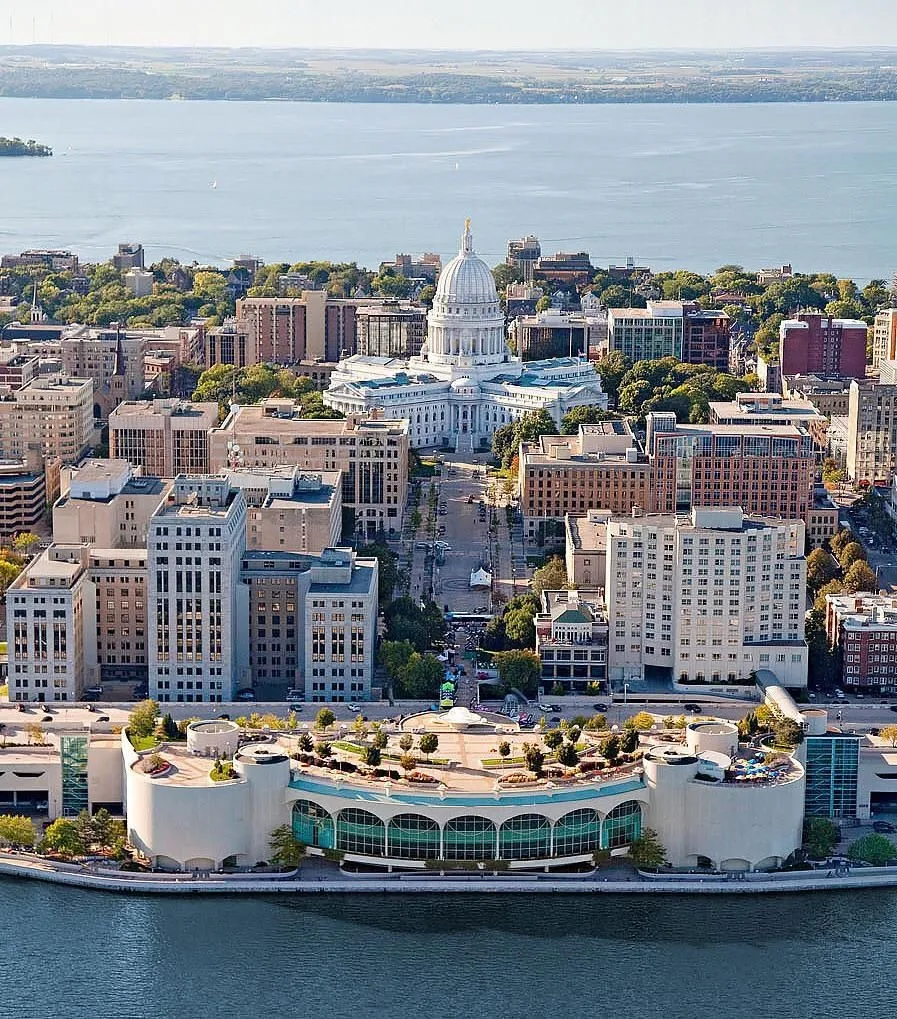
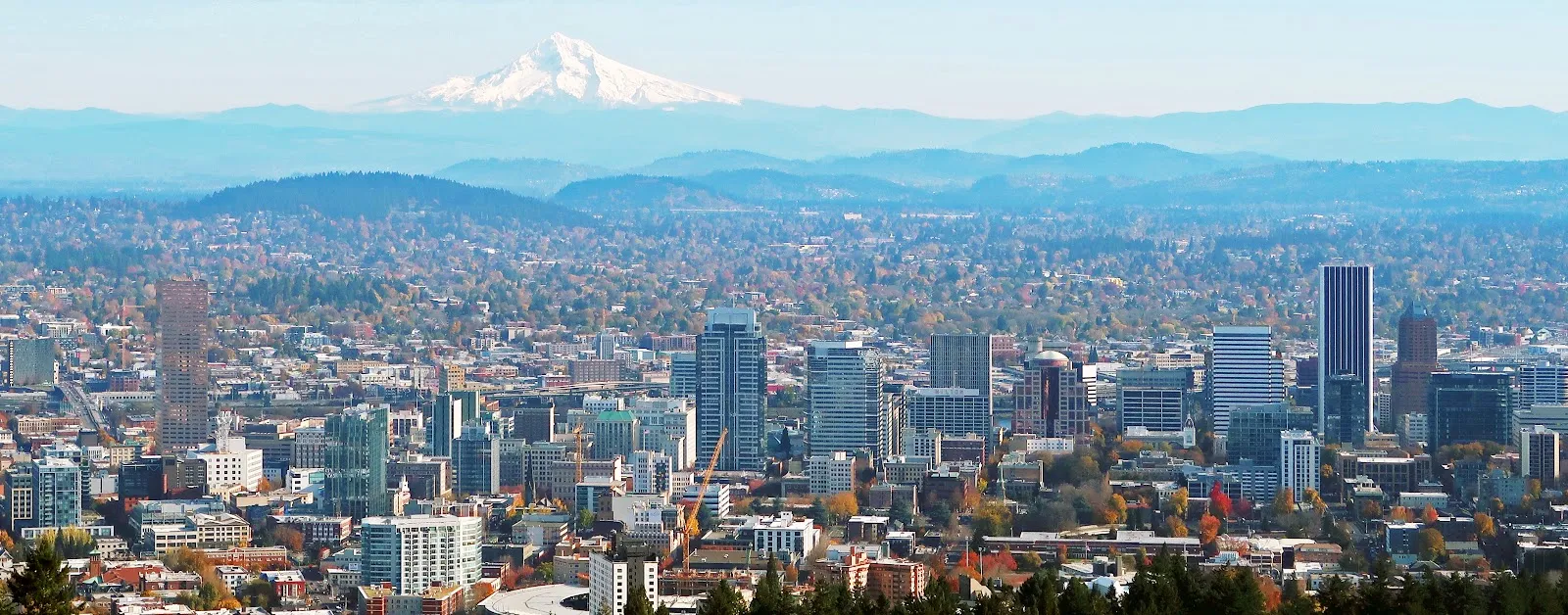
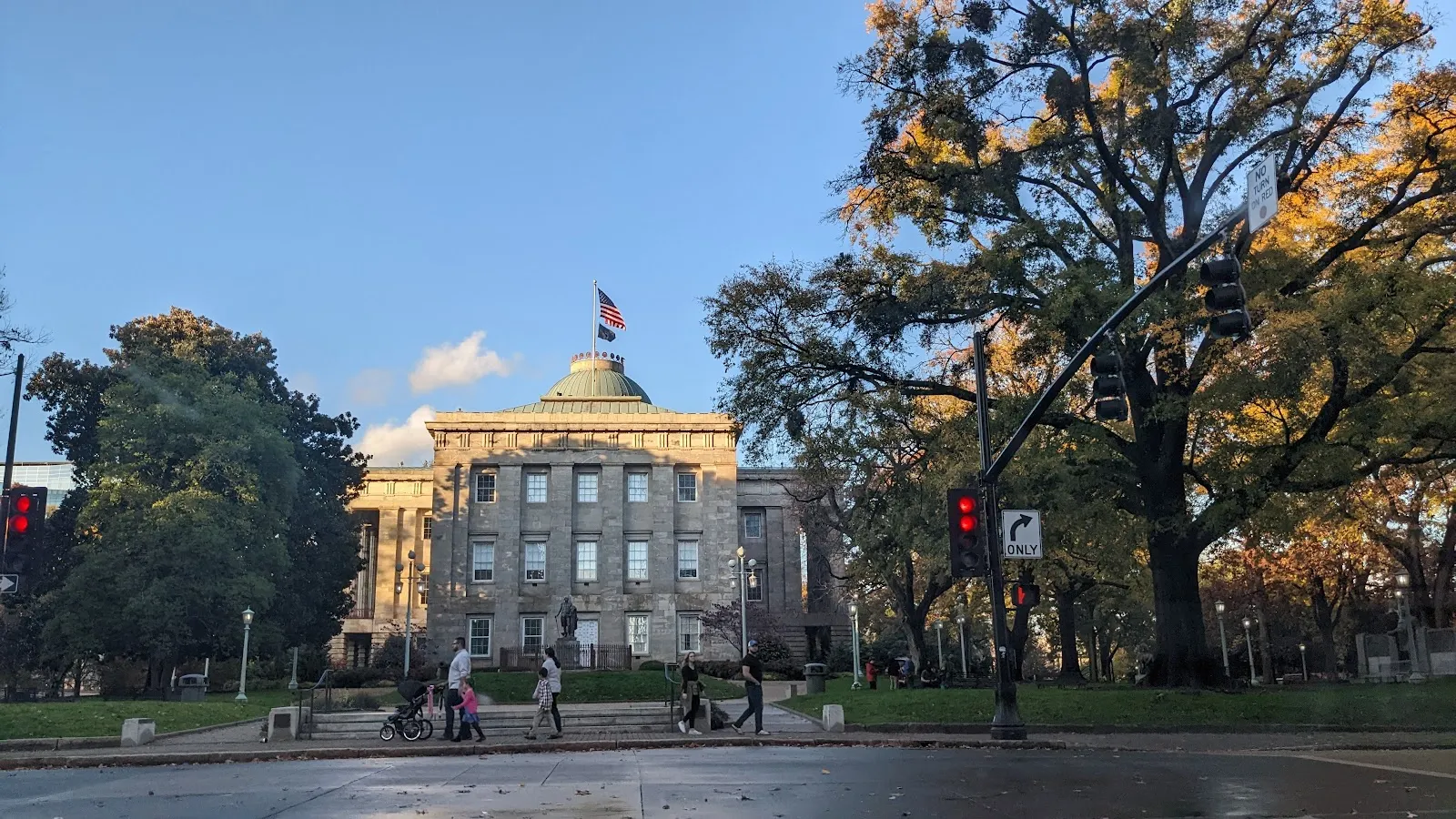
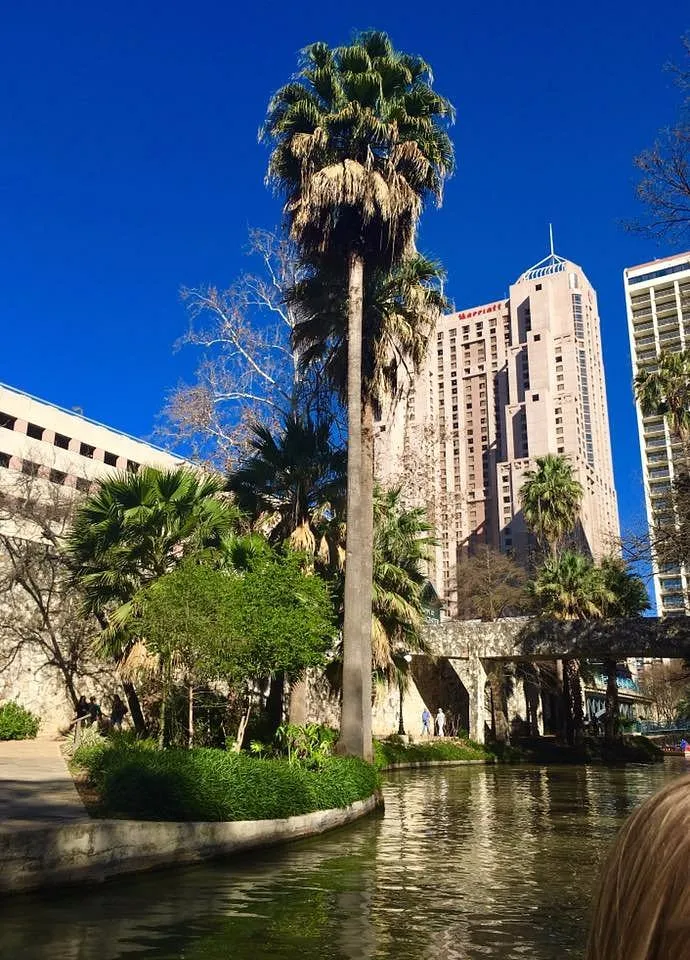

Weather in Huntington Woods
Huntington Woods, MI, United States experiences a humid continental climate characterized by four distinct seasons, with cold, snowy winters and warm, humid summers. The city receives an average annual precipitation of approximately 32 inches (813 mm), with June being the wettest month, averaging about 3.5 inches (89 mm) of rainfall.
Seasonal Breakdown
- Spring (March to May)Temperatures gradually rise from an average high of 45°F (7°C) in March to 70°F (21°C) in May. Rainfall increases during this period, with May receiving the most precipitation, averaging around 3.2 inches (81 mm).
- Summer (June to August)The hottest months, with average highs ranging from 80°F (27°C) in June to 84°F (29°C) in July. Rainfall is relatively high, averaging around 3.5 inches (89 mm) per month, with occasional thunderstorms.
- Autumn (September to November)Temperatures gradually decrease from an average high of 75°F (24°C) in September to 48°F (9°C) in November. Rainfall remains moderate, averaging around 2.8 inches (71 mm) per month.
- Winter (December to February)The coldest period, with average highs ranging from 36°F (2°C) in December to 32°F (0°C) in February. Snowfall is significant, averaging about 10 inches (254 mm) in January.
Notable Weather Events
- Occasional heatwaves during summer months.
- Heavy snowfall and blizzards during winter.
- Thunderstorms, particularly in late spring and summer.
Huntington Woods's Political Climate
Huntington Woods, located in Michigan, United States, is known for its vibrant and engaged political climate. The city operates under a council-manager form of government, which emphasizes a collaborative approach to governance. This structure allows for a professional city manager to oversee the day-to-day operations while the elected city council focuses on legislative functions.
Historically, Huntington Woods has leaned towards progressive policies, with a strong emphasis on community involvement and sustainability. The city has been proactive in implementing green initiatives, such as promoting renewable energy and enhancing public transportation options. Social justice and inclusivity are also key components of the city's political agenda, reflecting the values of its residents.
The political landscape in Huntington Woods is shaped by a commitment to transparency and civic engagement. Recent years have seen an increase in voter turnout, indicative of the community's active participation in local governance. The city council is composed of members who are dedicated to addressing issues such as affordable housing, education, and public safety.
Recent political events in Huntington Woods include a shift towards more inclusive zoning laws and the introduction of policies aimed at reducing the city's carbon footprint. These changes highlight the city's dedication to progressive reform and environmental stewardship. The political climate in Huntington Woods continues to influence its economic and social policies, ensuring that the city remains a forward-thinking and inclusive community.
Political Quick Facts
- Voter Turnout68%
- City GovernanceCouncil-manager government
- CompositionMajority Progressive with some Independent members
- Recent Political ChangesIntroduction of inclusive zoning laws and environmental policies
- EngagementHigh
- Political ScorecardA- for governance and transparency
- Legislative PrioritiesAffordable housing Sustainability initiatives Public safety enhancements
- Public OpinionGenerally progressive with strong support for environmental and social justice policies
Notable Political Figures
- John DoeCurrent Mayor known for his work on sustainability and community engagement.
- Jane SmithCity Council Member advocating for affordable housing and education reform.
- Alex JohnsonLocal activist and leader in environmental policy initiatives.