
Quality of life in Las Cruces
Cost of Living, Healthcare, Safety, Education, and More

About Las Cruces
Las Cruces, located in the heart of New Mexico, is a city that beautifully blends its rich cultural heritage with modern growth. Known for its stunning landscapes, including the Organ Mountains, Las Cruces offers a unique mix of natural beauty and urban amenities.The city is a hub for agriculture, education, and healthcare, with New Mexico State University playing a significant role in its economic and cultural life. Las Cruces is also known for its vibrant arts scene, with numerous galleries and theaters contributing to its cultural vibrancy.


History and Culture
Las Cruces has a rich history that dates back to its founding in the mid-19th century. Originally a small settlement, it grew rapidly due to its strategic location along the trade routes. The city played a significant role during the Mexican-American War and later became a key agricultural center.
Culturally, Las Cruces is a melting pot of Native American, Hispanic, and Anglo influences. This diversity is reflected in its festivals, cuisine, and local traditions. The city hosts several annual events, such as the Las Cruces International Mariachi Conference and the Whole Enchilada Fiesta, celebrating its multicultural heritage.
Notable cultural institutions include the New Mexico Farm and Ranch Heritage Museum and the Las Cruces Museum of Art, which showcase the region's history and artistic achievements. The city's ethnic diversity is further highlighted by its vibrant neighborhoods and community events.
Things to do in Las Cruces
Visitors to Las Cruces can explore the breathtaking Organ Mountains-Desert Peaks National Monument, offering hiking, rock climbing, and stunning vistas. The city's proximity to the Rio Grande also provides opportunities for kayaking and bird watching.
Cultural enthusiasts can enjoy the Las Cruces Symphony Orchestra or visit the historic Mesilla Plaza, known for its charming shops and restaurants. The local food scene is a must-try, with authentic New Mexican cuisine featuring green and red chile dishes.
Annual events like the Renaissance ArtsFaire and the Southern New Mexico State Fair and Rodeo offer unique experiences for both locals and tourists. These events highlight the city's commitment to celebrating its rich cultural tapestry.
Quality of Life Rankings
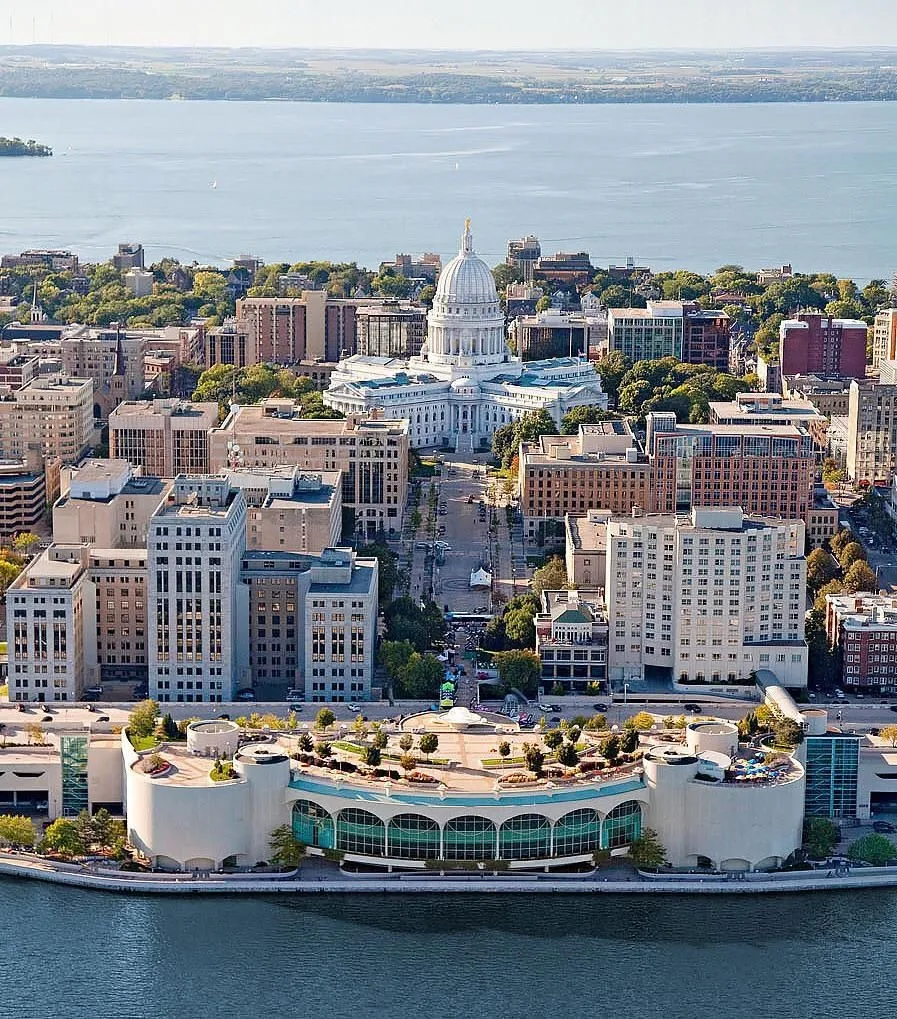
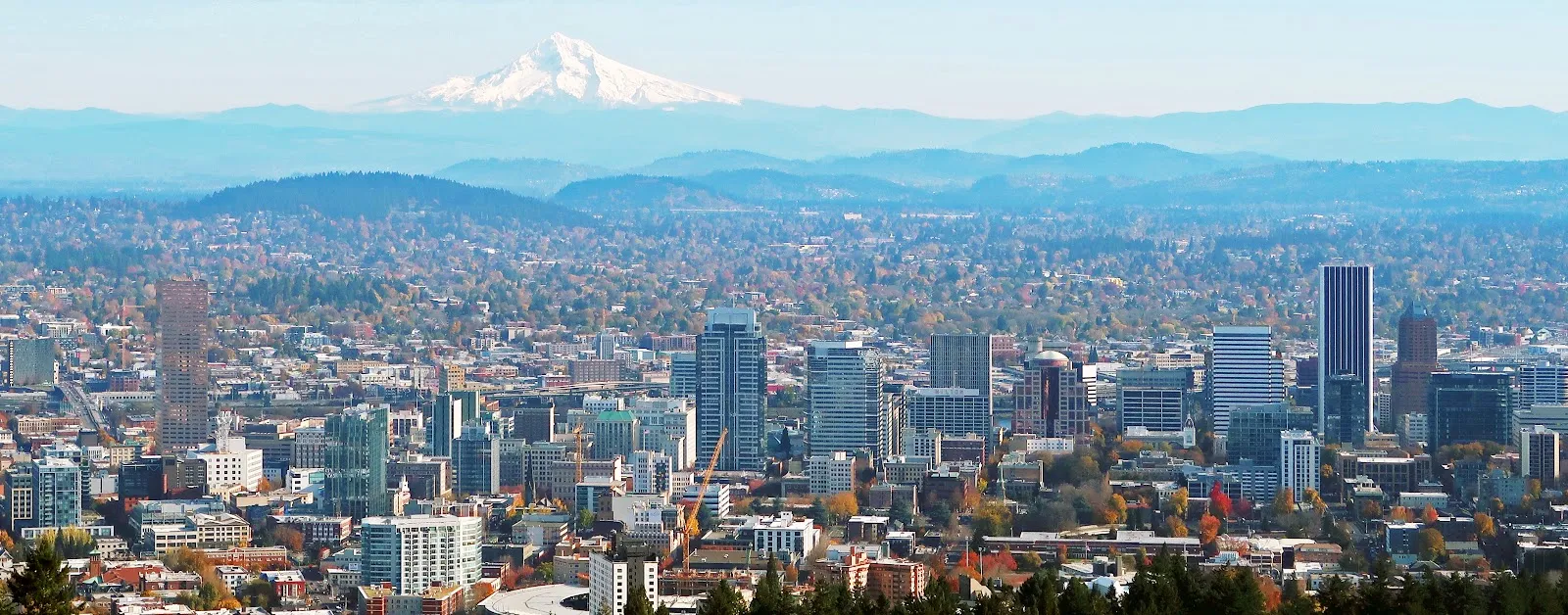
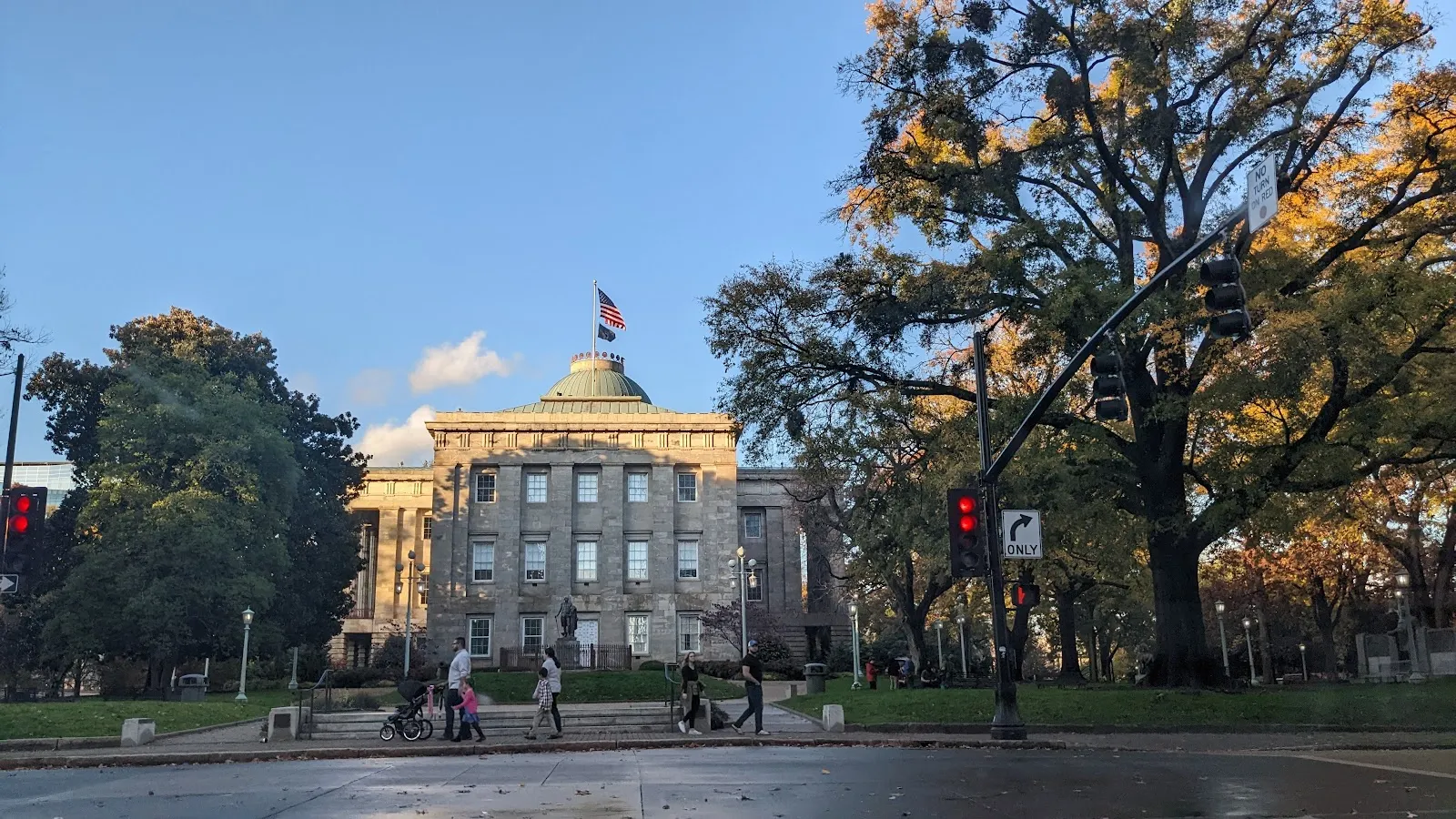
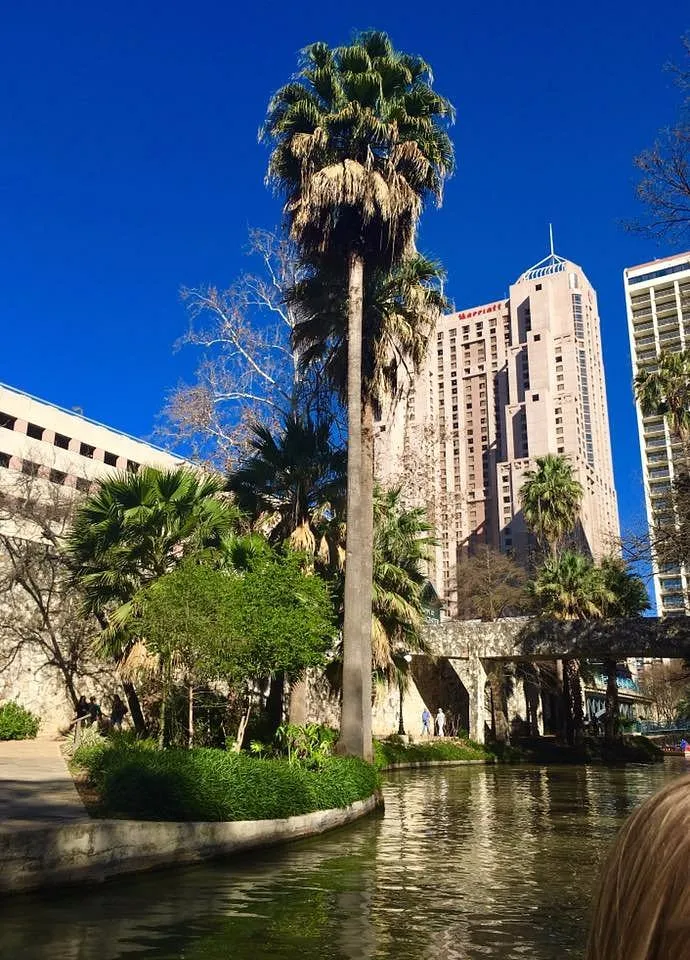
Weather in Las Cruces
Las Cruces, NM, United States experiences a semi-arid climate characterized by hot summers and mild winters. The city receives an average annual precipitation of approximately 9 inches (229 mm), with August being the wettest month, averaging around 2 inches (51 mm) of rainfall.
Seasonal Breakdown
- Spring (March to May)Temperatures gradually rise from an average high of 70°F (21°C) in March to 85°F (29°C) in May. Rainfall is relatively low during this period, with occasional spring showers.
- Summer (June to August)The hottest months, with average highs ranging from 95°F (35°C) in June to 97°F (36°C) in July. Rainfall increases slightly, with August being the wettest month, averaging around 2 inches (51 mm).
- Autumn (September to November)Temperatures gradually decrease from an average high of 88°F (31°C) in September to 65°F (18°C) in November. Rainfall decreases, averaging around 1 inch (25 mm) per month.
- Winter (December to February)The coldest period, with average highs ranging from 58°F (14°C) in December to 62°F (17°C) in February. Snowfall is rare, with minimal accumulation if any.
Notable Weather Events
- Occasional summer thunderstorms
- Rare winter frost
- Potential for dust storms during dry periods
Las Cruces's Political Climate
Las Cruces, located in the state of New Mexico, is known for its vibrant political climate that reflects a blend of progressive and traditional values. The city operates under a council-manager form of government, which emphasizes the role of the city council in legislative functions while a city manager oversees administrative operations. This structure allows for a balanced approach to governance, ensuring that both elected officials and professional managers contribute to the city's development.
Historically, Las Cruces has been a stronghold for the Democratic Party, with its political landscape shaped by issues such as immigration, education, and healthcare. The city's proximity to the U.S.-Mexico border makes immigration a particularly salient topic, influencing local policies and community initiatives. In recent years, Las Cruces has made strides in sustainability, implementing policies aimed at reducing carbon emissions and promoting renewable energy sources.
The political climate in Las Cruces is also characterized by a strong emphasis on social justice and community engagement. The city has been proactive in addressing issues such as affordable housing and racial equality, often leading to collaborative efforts between local government, non-profits, and community groups. These initiatives reflect the city's commitment to fostering an inclusive and equitable environment for all residents.
Recent political events in Las Cruces include increased civic activism, particularly among younger residents who are advocating for climate action and educational reforms. This trend is indicative of a broader shift towards more progressive policies, aligning with national movements for change. The city's political climate continues to evolve, influenced by both local and national dynamics.
Political Quick Facts
- Voter Turnout68%
- City GovernanceCouncil-manager government
- CompositionMajority Democratic with a few Independents
- Recent Political ChangesIncreased focus on sustainability and social justice initiatives
- EngagementHigh, with active participation in local movements and civic activities
- Political ScorecardB+ for governance and transparency
- Legislative PrioritiesSustainability and renewable energy Affordable housing Education reform
- Public OpinionGenerally progressive, with strong support for social justice and environmental policies
Notable Political Figures
- Ken MiyagishimaMayor of Las Cruces known for his focus on community development and sustainability.
- Gabe VasquezFormer city councilor and advocate for environmental and social justice issues.
- Joanne FerraryState Representative known for her work on healthcare and education reform.