
Quality of life in Hamilton
Cost of Living, Healthcare, Safety, Education, and More

About Hamilton
Hamilton, Ohio, located in the southwestern part of the state, is a city that blends historical charm with modern vibrancy. Known for its rich industrial past, Hamilton has evolved into a community that values both its heritage and forward-thinking initiatives. The city is part of the Cincinnati metropolitan area, offering residents and visitors a unique blend of small-town feel with access to big-city amenities.In recent years, Hamilton has seen a resurgence in its downtown area, with new businesses, restaurants, and cultural venues opening up. This revitalization has made it a hub for arts and culture, attracting artists and entrepreneurs alike. The city's commitment to preserving its historical architecture while fostering innovation makes it a standout destination in Ohio.


History and Culture
Founded in 1791, Hamilton has a rich history that reflects its strategic location along the Great Miami River. The city played a significant role during the industrial revolution, becoming a center for manufacturing and commerce. Its historical significance is evident in the many preserved buildings and landmarks that dot the cityscape.
Culturally, Hamilton is known for its vibrant arts scene. The Fitton Center for Creative Arts and Pyramid Hill Sculpture Park are key cultural institutions that offer a range of artistic experiences. The city hosts numerous events and festivals throughout the year, celebrating its diverse community and artistic spirit.
Hamilton's cultural fabric is enriched by its diverse population, with various ethnic communities contributing to the city's unique character. This diversity is celebrated through local festivals and events that highlight different cultural traditions and cuisines.
Things to do in Hamilton
Visitors to Hamilton can explore the Pyramid Hill Sculpture Park, a unique outdoor museum featuring monumental sculptures set in a picturesque landscape. The park offers art lovers and nature enthusiasts a serene escape.
The city's revitalized downtown area is a must-visit, with its array of shops, restaurants, and entertainment venues. The Marcum Park, located in the heart of downtown, hosts concerts and community events, making it a lively gathering spot.
For history buffs, the Butler County Historical Society offers insights into the region's past, with exhibits and programs that delve into local history. Additionally, the Fitton Center for Creative Arts provides a platform for local artists and hosts performances and exhibitions throughout the year.
Quality of Life Rankings

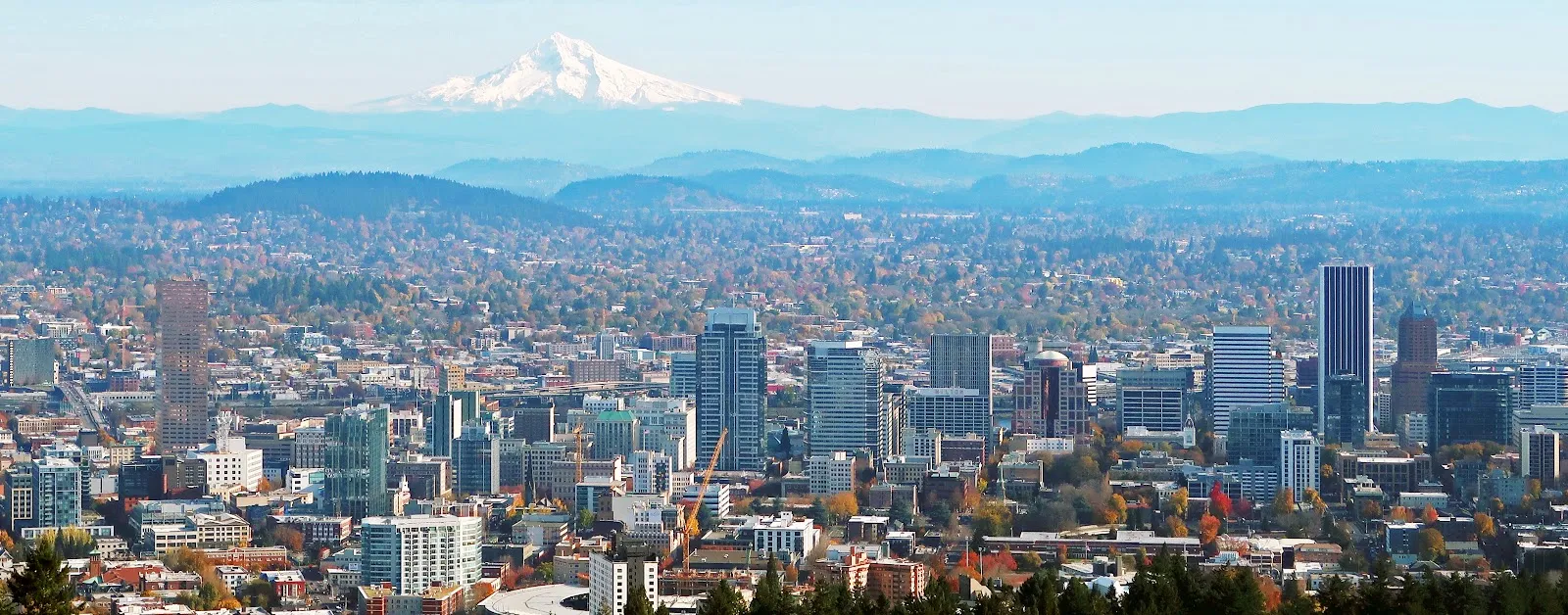
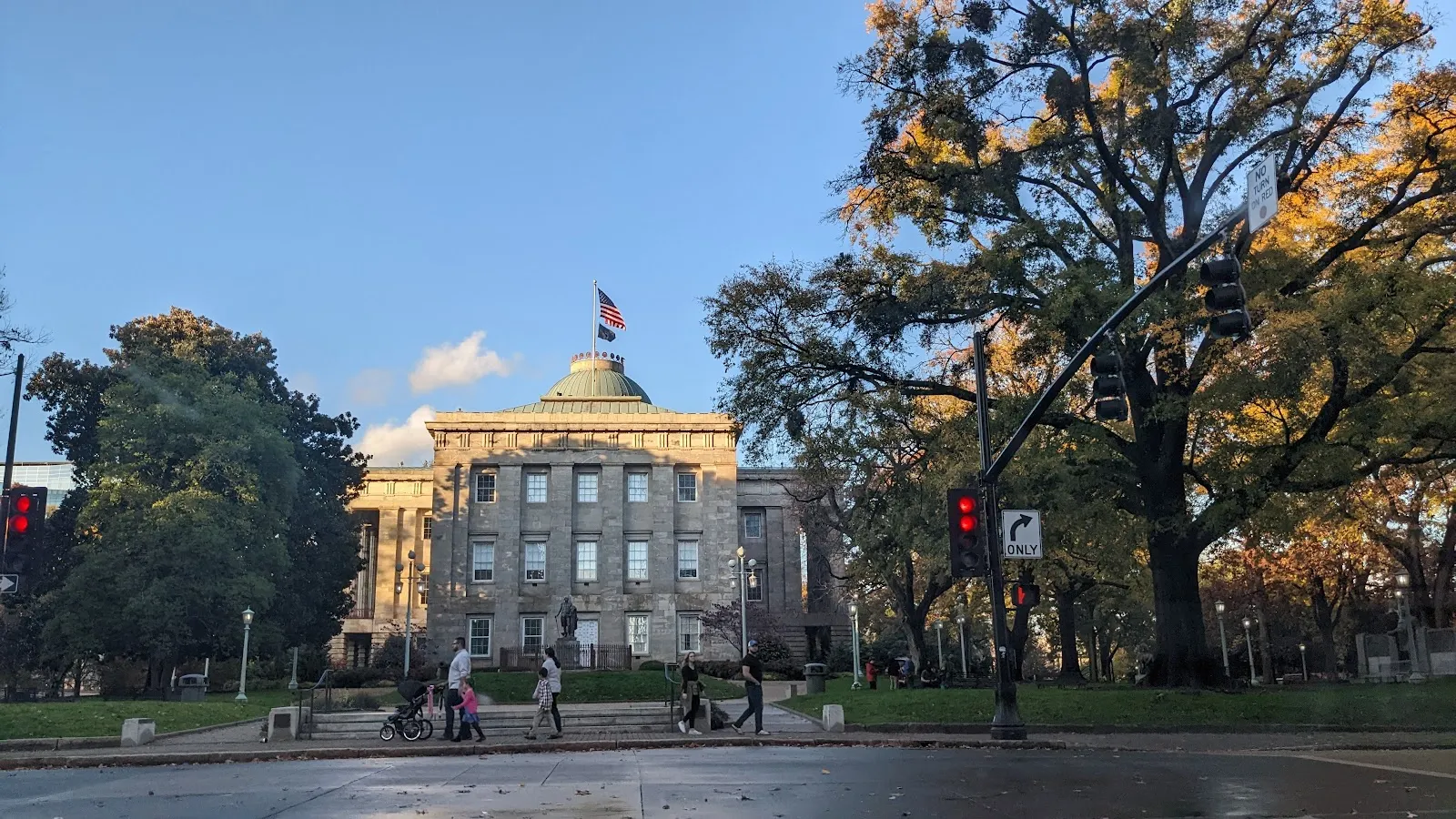


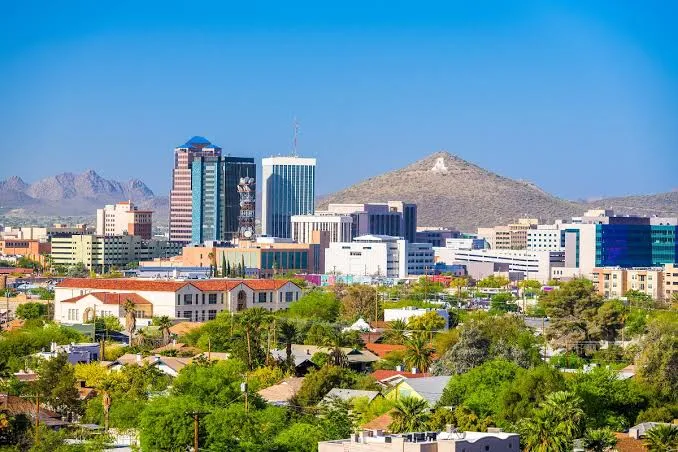
Weather in Hamilton
Hamilton, OH, United States experiences a humid continental climate characterized by four distinct seasons, with hot, humid summers and cold, snowy winters. The city receives an average annual precipitation of approximately 40 inches (1016 mm), with May being the wettest month, averaging 4.5 inches (114 mm) of rainfall.
Seasonal Breakdown
- Spring (March to May)Temperatures gradually rise from an average high of 52°F (11°C) in March to 74°F (23°C) in May. Rainfall increases during this period, with May receiving the most precipitation, averaging 4.5 inches (114 mm).
- Summer (June to August)The hottest months, with average highs ranging from 82°F (28°C) in June to 86°F (30°C) in July. Rainfall decreases during the summer, averaging around 3.5 inches (89 mm) per month.
- Autumn (September to November)Temperatures gradually decrease from an average high of 78°F (26°C) in September to 52°F (11°C) in November. Rainfall remains moderate, averaging around 3 inches (76 mm) per month.
- Winter (December to February)The coldest period, with average highs ranging from 39°F (4°C) in December to 36°F (2°C) in February. Snowfall is common, averaging about 8 inches (203 mm) in January.
Notable Weather Events
- Heatwaves during the summer months, occasionally pushing temperatures above 90°F (32°C).
- Severe thunderstorms in late spring and early summer, sometimes leading to localized flooding.
- Snowstorms in winter, occasionally resulting in significant snow accumulation and disruptions.
Hamilton's Political Climate
Hamilton, Ohio, is a city with a rich political history and a dynamic political climate. As the county seat of Butler County, Hamilton has traditionally leaned towards conservative values, reflecting the broader political tendencies of the region. The city's governance is structured under a council-manager system, where the city council appoints a city manager to oversee administrative operations. This system allows for a balance of power and ensures that the city's policies align with the needs of its residents.
In recent years, Hamilton has seen a shift towards more progressive policies, particularly in areas such as sustainability and economic development. The city has implemented several green initiatives aimed at reducing its carbon footprint and promoting renewable energy sources. Additionally, Hamilton has been active in promoting social justice, with local leaders advocating for policies that address income inequality and improve access to education and healthcare.
The political climate in Hamilton is also shaped by its economic landscape. As a city that has historically relied on manufacturing, Hamilton has had to adapt to changes in the global economy. This has led to a focus on diversifying its economic base, with efforts to attract new industries and support small businesses. The city's political leadership has been instrumental in driving these changes, working to create a business-friendly environment while also prioritizing the welfare of its residents.
Recent political events in Hamilton have included increased civic engagement, with local movements advocating for transparency and accountability in government. This has been reflected in higher voter turnout rates and a more active participation in local elections. The city's residents are increasingly voicing their opinions on key issues, such as affordable housing and public safety, influencing the direction of local policies.
Political Quick Facts
- Voter Turnout65%
- City GovernanceCouncil-manager system
- CompositionMajority Republican with a few Democratic members
- Recent Political ChangesIncreased focus on sustainability and economic diversification
- EngagementHigh, with active civic participation
- Political ScorecardB+ for governance and transparency
- Legislative PrioritiesEconomic diversification Sustainability initiatives Social justice reforms
- Public OpinionGenerally conservative with growing support for progressive policies
Notable Political Figures
- Pat MoellerCurrent Mayor of Hamilton, known for his focus on economic development and community engagement.
- Carla FiehrerCity Council Member, advocate for sustainability and local business support.
- Timothy NaabFormer City Manager, played a key role in implementing the council-manager system.