Traffic in Cedar Park
Cedar Park, Texas, offers a unique transportation landscape with a variety of commuting options.Despite the lack of specific data for 2024, Cedar Park continues to focus on improving its transportation infrastructure and sustainability efforts.Average Commute Times
More Information
Seasonal Trends
Traffic tends to increase during the summer months as tourists visit nearby attractions.
Winter months see a slight decrease in traffic, offering smoother commutes.
Commuter Pain Points
Limited public transportation options can make commuting challenging.
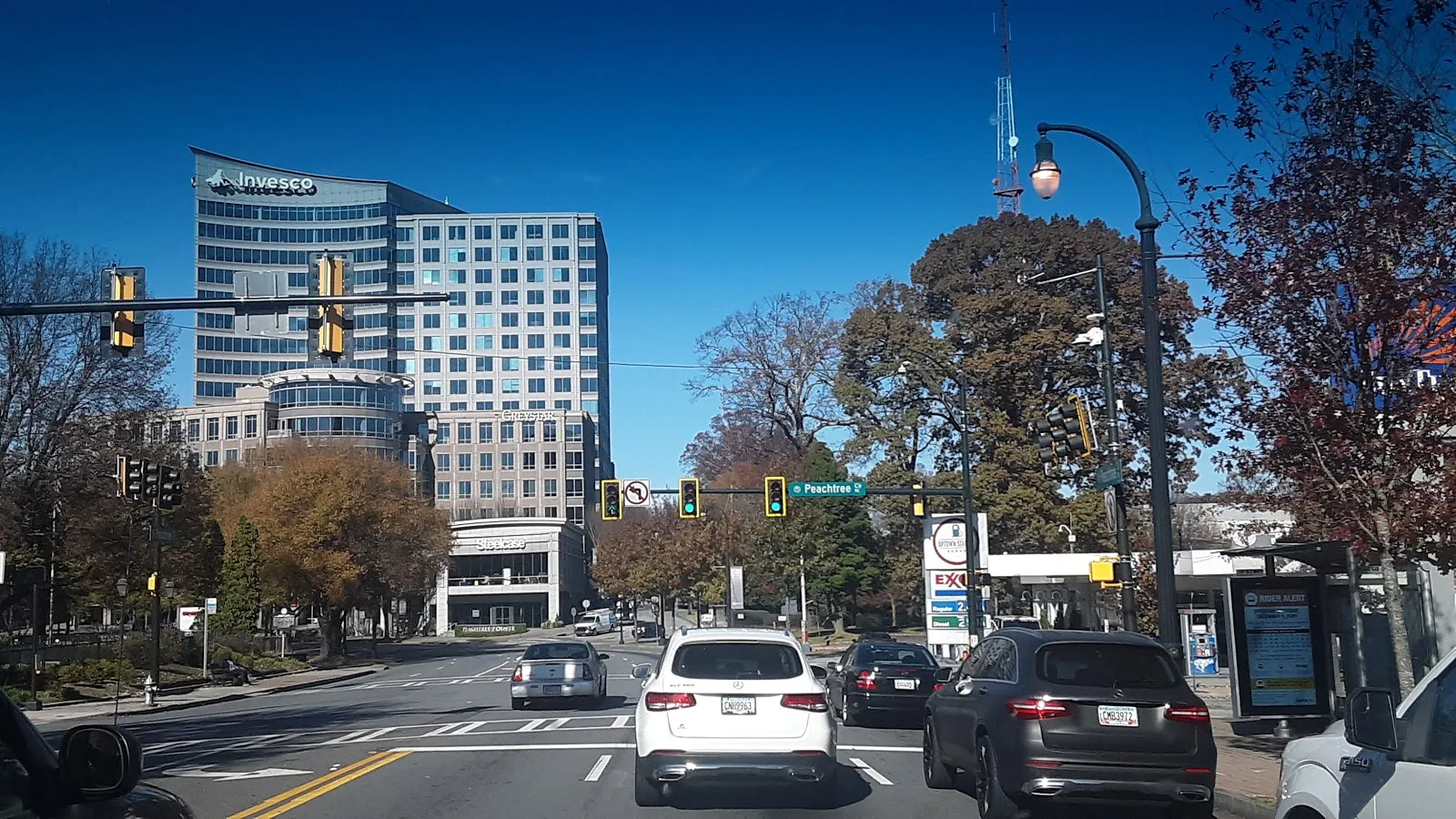
Traffic congestion during peak hours is a common issue for residents.
Best Travel Times
Early mornings before 7 AM are generally the best times to travel to avoid congestion.
Mid-afternoon, around 2 PM, also offers less crowded roads.
Event Impacts
Local festivals and events can significantly impact traffic, leading to increased congestion.
Residents are advised to plan ahead during major events to avoid delays.
Sustainability Efforts
Cedar Park is investing in green transportation initiatives, including bike lanes and electric vehicle charging stations.
The city is exploring partnerships to enhance public transportation options and reduce carbon footprints.
Ride-Sharing Impact
Ride-sharing services have helped reduce the number of cars on the road, easing congestion.
These services provide flexible commuting options for residents without personal vehicles.