
Quality of life in De Soto
Cost of Living, Healthcare, Safety, Education, and More

About De Soto
De Soto, Texas, is a vibrant city located in the Dallas-Fort Worth metropolitan area. Known for its rich cultural heritage and strong community spirit, De Soto offers a unique blend of suburban tranquility and urban accessibility. The city is characterized by its diverse population, thriving local businesses, and a commitment to maintaining a high quality of life for its residents.In recent years, De Soto has seen significant growth and development, with new housing projects and commercial ventures enhancing its appeal. The city is also recognized for its excellent educational institutions and recreational facilities, making it an attractive destination for families and professionals alike.


History and Culture
De Soto's history dates back to the mid-19th century when it was first settled by pioneers. Named after the famed explorer Hernando de Soto, the city has grown from a small rural community into a bustling suburban hub. Throughout its history, De Soto has played a significant role in the development of the Dallas-Fort Worth area, contributing to the region's economic and cultural landscape.
Culturally, De Soto is a melting pot of traditions and influences, reflecting the diverse backgrounds of its residents. The city hosts numerous cultural events and festivals throughout the year, celebrating everything from local art and music to food and heritage. Notable cultural institutions include the De Soto Arts Commission, which supports local artists and organizes community events.
The city's commitment to preserving its history is evident in its well-maintained historical sites and museums, which offer insights into the area's past. De Soto's cultural vibrancy is further highlighted by its active community organizations and clubs, which foster a sense of belonging and engagement among residents.
Things to do in De Soto
De Soto offers a variety of activities and attractions for residents and visitors alike. The city boasts several parks and recreational areas, such as the De Soto Town Center and Zeiger Park, which provide ample opportunities for outdoor activities and family gatherings.
For those interested in arts and culture, the De Soto Civic Center hosts a range of performances and events, including theater productions, concerts, and art exhibitions. The city's vibrant dining scene features a mix of local eateries and international cuisine, offering something for every palate.
Annual events like the De Soto SolJazz Festival and the De Soto Living Festival showcase the city's lively community spirit and provide entertainment for all ages. These events, along with local farmers' markets and craft fairs, contribute to De Soto's reputation as a welcoming and dynamic place to live and visit.
Quality of Life Rankings
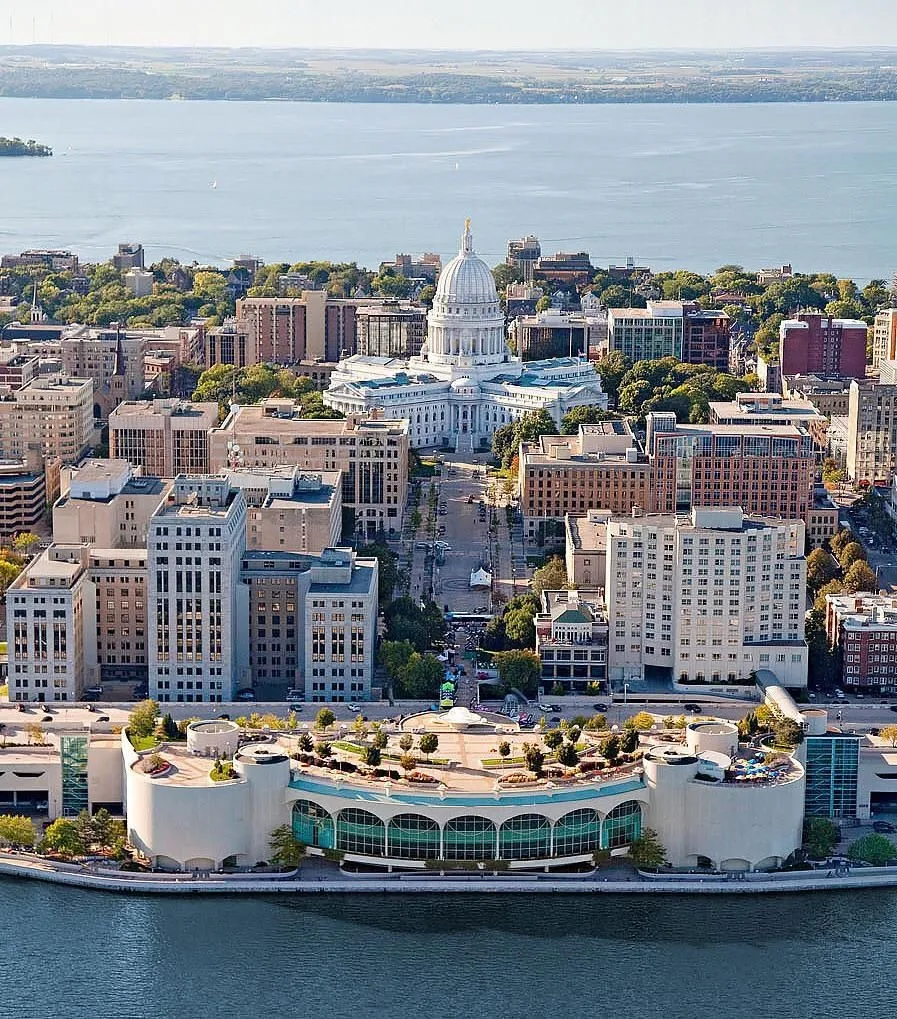
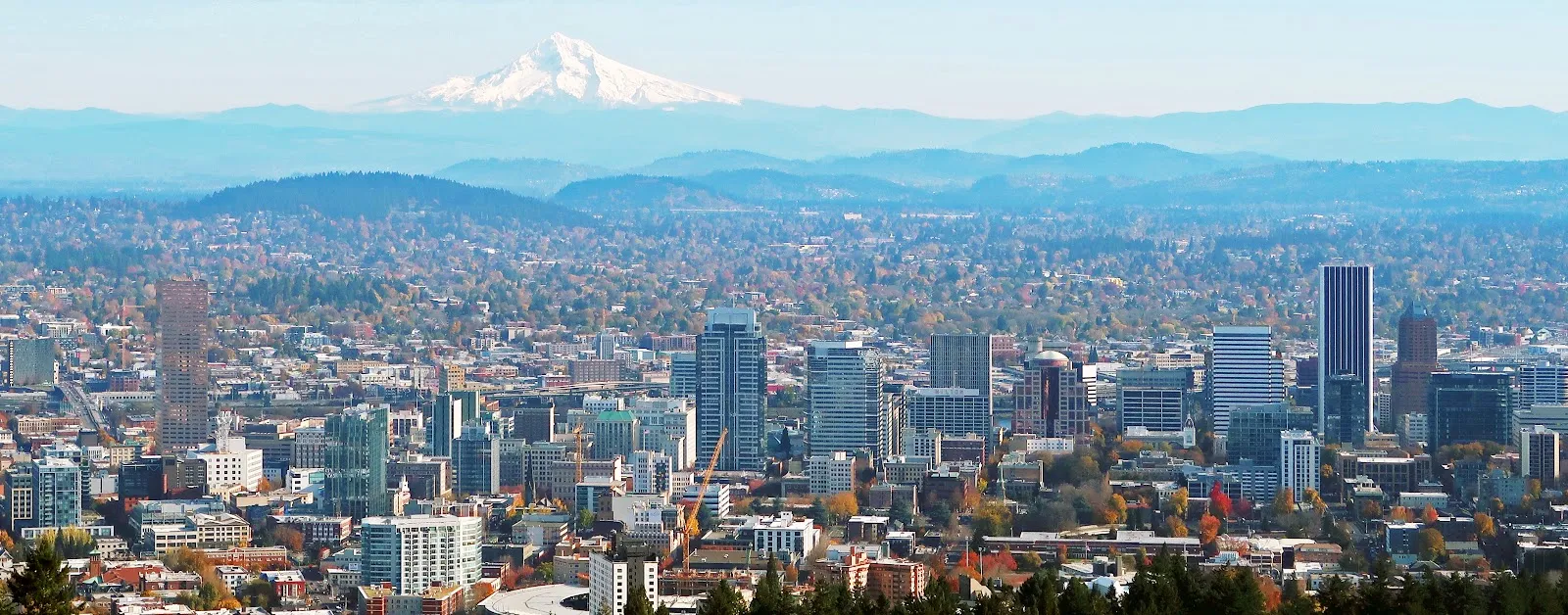
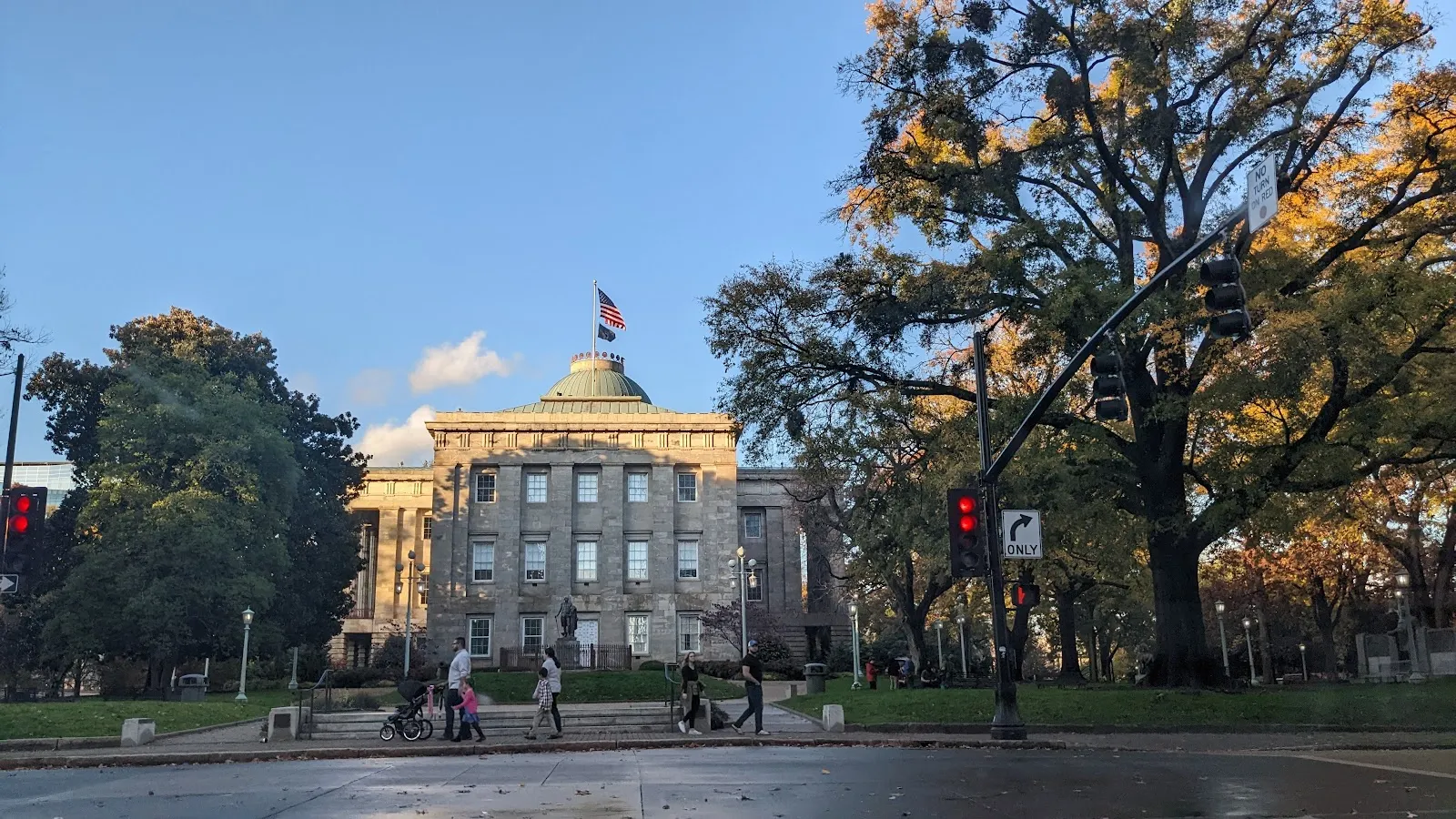
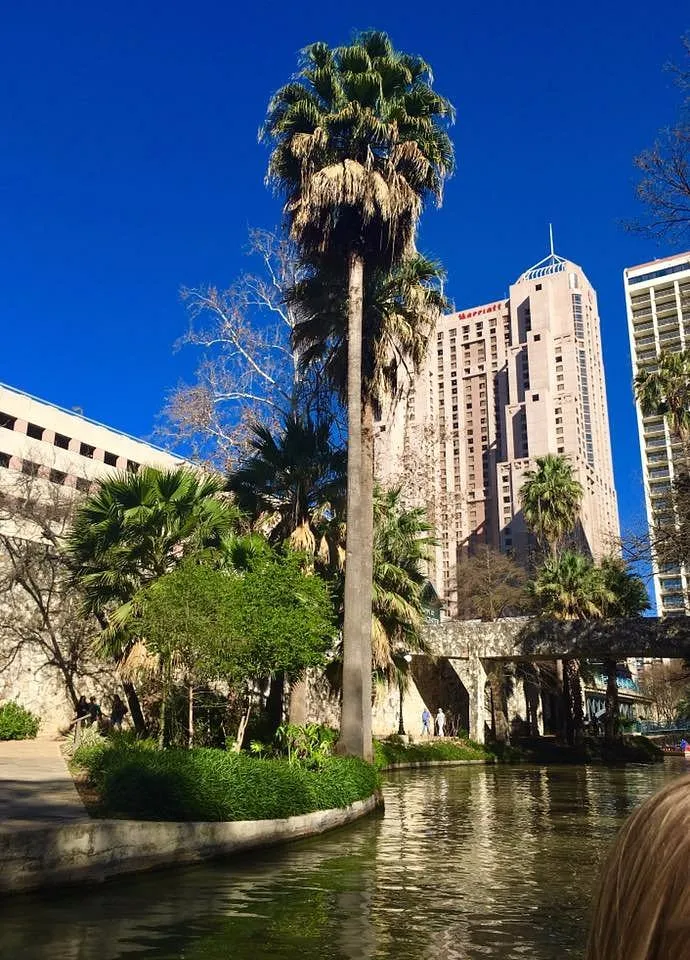
Weather in De Soto
De Soto, TX, United States experiences a humid subtropical climate characterized by hot, humid summers and mild to cool winters. The city receives an average annual precipitation of approximately 37 inches (940 mm), with May being the wettest month, averaging around 5 inches (127 mm) of rainfall.
Seasonal Breakdown
- Spring (March to May)Temperatures gradually rise from an average high of 68°F (20°C) in March to 82°F (28°C) in May. Rainfall increases during this period, with May receiving the most precipitation, averaging around 5 inches (127 mm).
- Summer (June to August)The hottest months, with average highs ranging from 91°F (33°C) in June to 96°F (36°C) in July. Rainfall decreases during the summer, averaging around 2.5 inches (64 mm) per month.
- Autumn (September to November)Temperatures gradually decrease from an average high of 89°F (32°C) in September to 67°F (19°C) in November. Rainfall remains moderate, averaging around 3 inches (76 mm) per month.
- Winter (December to February)The coldest period, with average highs ranging from 57°F (14°C) in December to 60°F (16°C) in February. Snowfall is minimal, averaging less than 1 inch (25 mm) in January.
Notable Weather Events
- Occasional heatwaves during the summer months.
- Thunderstorms, particularly in the spring and early summer.
- Rare instances of ice storms or light snow during winter.
De Soto's Political Climate
De Soto, located in Texas, United States, is a city with a dynamic political landscape that reflects both its historical roots and contemporary challenges. The city operates under a council-manager form of government, which is common in many municipalities across the United States. This structure allows for a city council to set policies and a city manager to oversee the administrative operations, ensuring a balance between elected officials and professional management.
Historically, De Soto has been influenced by the broader political trends of Texas, a state known for its conservative leanings. However, De Soto itself has shown a more diverse political affiliation, with a mix of conservative and progressive policies. The city has been proactive in implementing sustainability initiatives, focusing on green spaces and community development projects that aim to enhance the quality of life for its residents.
In recent years, De Soto has seen a rise in civic engagement, with local movements advocating for social justice and economic equality. These movements have influenced local policy, leading to reforms in areas such as policing and public education. The city's political climate is also shaped by its commitment to inclusivity and diversity, reflecting the multicultural makeup of its population.
The political climate in De Soto significantly impacts its economic and social policies. The city has prioritized economic development, aiming to attract businesses and create jobs while maintaining a focus on environmental sustainability. Social policies are geared towards improving public services and ensuring equitable access to resources for all residents.
Recent political events in De Soto include shifts in city council composition and increased voter turnout, indicating a growing interest in local governance. These changes have brought new perspectives to the council, fostering a more dynamic and responsive political environment.
Political Quick Facts
- Voter TurnoutApproximately 65% in recent elections
- City GovernanceCouncil-manager government
- CompositionA mix of Democrats and Republicans, with a slight Democratic majority
- Recent Political ChangesIncreased voter turnout and shifts in city council composition
- EngagementHigh, with active civic participation and local advocacy groups
- Political ScorecardB+ for governance and transparency
- Legislative PrioritiesEconomic development Sustainability initiatives Social justice reforms
- Public OpinionGenerally progressive on social issues, with a strong emphasis on community development
Notable Political Figures
- Curtistene S. McCowanFormer Mayor known for her leadership in community development and education initiatives.
- Rachel L. ProctorCurrent Mayor focused on economic growth and sustainability.
- Candice QuarlesCity Council Member advocating for social justice and youth engagement.