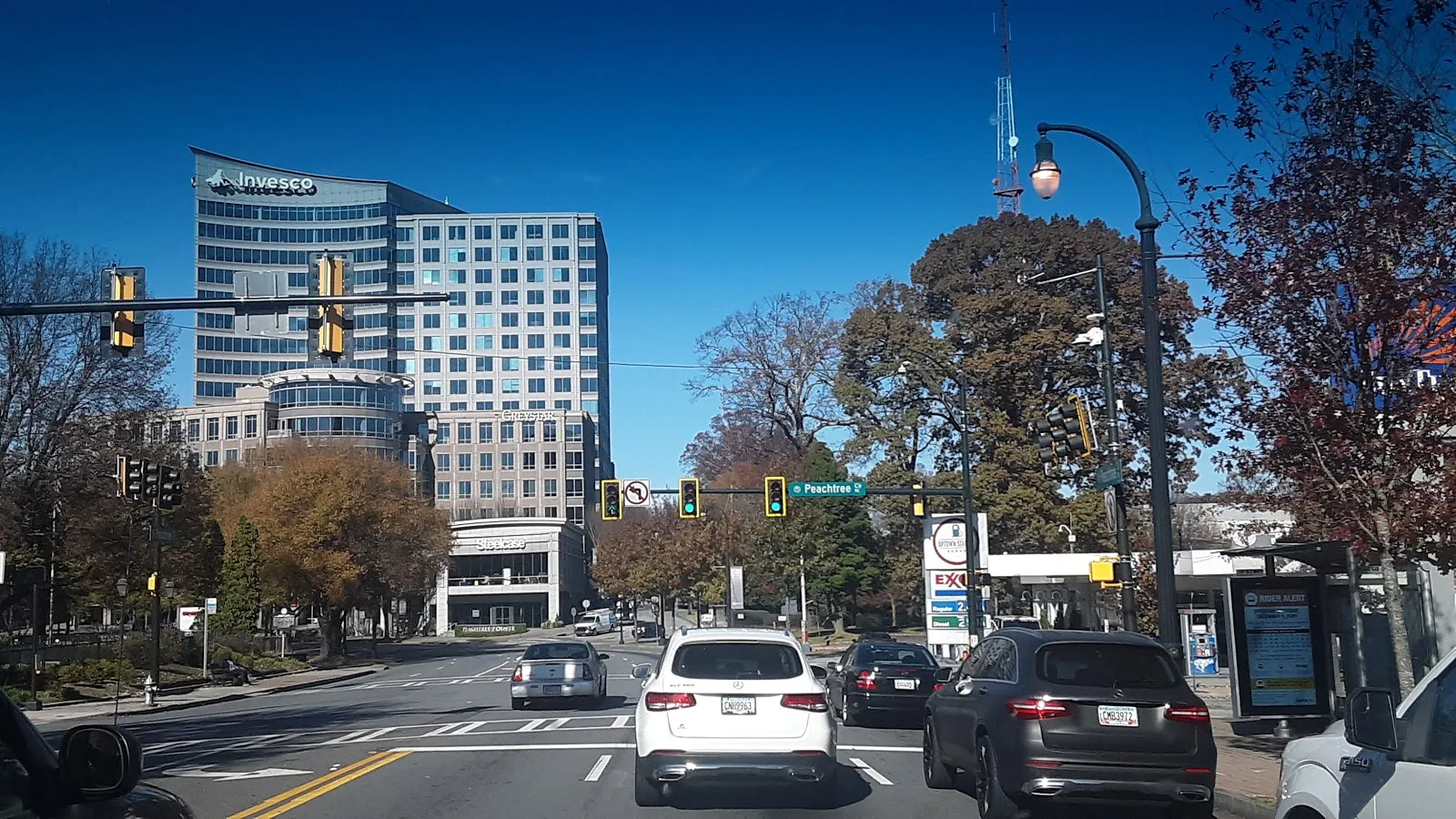
Traffic in Burlington
In 2024, Burlington's transportation landscape is dominated by car usage, with 100% of commuters relying on this mode.Despite the heavy reliance on cars, the average commute time remains relatively low, suggesting efficient traffic flow.Average Commute Times
The average commute time in Burlington is 25 minutes, with most of this time spent driving.
- Car - Car commuters spend about 24 minutes driving and 1 minute waiting, covering an average distance of 23.89 miles.
Traffic Breakdown
Traffic Data
Overall average travel
Average when primarily using Car
More Information
Seasonal Trends
Winter months often see increased traffic delays due to snow and ice.
Summer tourism can lead to higher traffic volumes, particularly in downtown areas.
Commuter Pain Points
Limited public transportation options force reliance on cars.
Parking availability can be a challenge in busy areas.
Best Travel Times
Early mornings before 8 AM and late evenings after 6 PM are ideal for avoiding traffic.
Midday travel is generally smooth, with fewer delays.
Event Impacts
Public events like festivals and university activities can significantly impact traffic, especially near event venues.
Planning travel around these events can help avoid congestion.
Sustainability Efforts
Burlington is exploring initiatives to expand bike lanes and pedestrian paths.
Efforts to increase electric vehicle charging stations are underway to support sustainable transportation.
Ride-Sharing Impact
Ride-sharing services are gaining popularity, offering flexible commuting options.
These services help reduce the number of cars on the road, potentially lowering traffic congestion.