
Quality of life in Spokane
Cost of Living, Healthcare, Safety, Education, and More

About Spokane
Spokane, located in the eastern part of Washington State, is a city that beautifully blends natural beauty with urban sophistication. Known for its vibrant arts scene and rich cultural heritage, Spokane offers a unique blend of outdoor adventures and city life. The city is a hub for healthcare and education, with major institutions like Providence Sacred Heart Medical Center and Gonzaga University playing pivotal roles in the local economy.Emerging trends in Spokane include a growing tech industry and a focus on sustainable living, with numerous initiatives aimed at enhancing the quality of life for its residents. The city's commitment to green spaces and community engagement makes it an attractive destination for both residents and visitors.


History and Culture
Spokane's history dates back to its founding in 1873, when it was established as a trading post. The arrival of the Northern Pacific Railway in 1881 spurred rapid growth, transforming Spokane into a major hub for mining and agriculture. The city played a significant role during the mining boom of the late 19th and early 20th centuries, earning it the nickname 'The Hub of the Inland Empire.'
Culturally, Spokane is known for its diverse arts scene, with institutions like the Northwest Museum of Arts and Culture and the Spokane Symphony enriching the city's cultural landscape. The city hosts numerous festivals throughout the year, including the Lilac Festival and Hoopfest, the world's largest 3-on-3 basketball tournament.
Spokane's ethnic diversity is reflected in its cultural offerings, with various communities contributing to the city's vibrant tapestry. The presence of Native American tribes, such as the Spokane Tribe, adds a rich layer of history and tradition to the city's cultural identity.
Things to do in Spokane
Spokane offers a wide range of activities and attractions for visitors and residents alike. Riverfront Park, located in the heart of the city, is a must-visit destination, featuring the iconic Spokane Falls and a variety of recreational opportunities. The park is also home to the Numerica SkyRide, offering breathtaking views of the falls and the city skyline.
For those interested in history and culture, the Northwest Museum of Arts and Culture provides an in-depth look at the region's history and artistic achievements. Art enthusiasts will also enjoy the vibrant local art scene, with numerous galleries and public art installations scattered throughout the city.
Outdoor enthusiasts can explore the Centennial Trail, a 37-mile path that runs along the Spokane River, perfect for biking, walking, and jogging. The nearby Mount Spokane State Park offers skiing, snowboarding, and hiking opportunities, making it a year-round destination for adventure seekers.
Quality of Life Rankings
Spokane ranks 14th on the Quality of Life rankings in United States.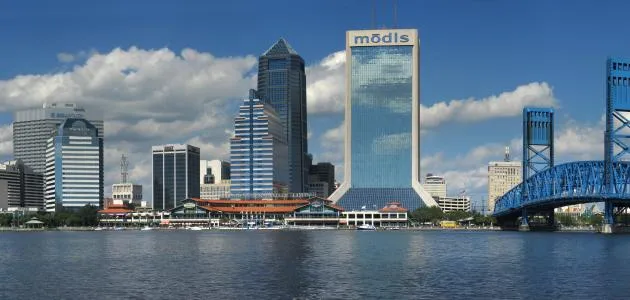
Weather in Spokane
Spokane, WA, United States experiences a semi-arid climate characterized by four distinct seasons with hot, dry summers and cold, snowy winters. The city receives an average annual precipitation of approximately 17 inches (432 mm), with December being the wettest month, averaging about 2.5 inches (64 mm) of rainfall.
Seasonal Breakdown
- Spring (March to May)Temperatures gradually rise from an average high of 50°F (10°C) in March to 68°F (20°C) in May. Rainfall increases during this period, with April receiving the most precipitation, averaging around 1.5 inches (38 mm).
- Summer (June to August)The hottest months, with average highs ranging from 77°F (25°C) in June to 86°F (30°C) in July. Rainfall decreases during the summer, averaging around 0.6 inches (15 mm) per month, making it the driest season.
- Autumn (September to November)Temperatures gradually decrease from an average high of 75°F (24°C) in September to 47°F (8°C) in November. Rainfall remains moderate, averaging around 1.5 inches (38 mm) per month.
- Winter (December to February)The coldest period, with average highs ranging from 36°F (2°C) in December to 41°F (5°C) in February. Snowfall is significant, averaging about 12 inches (305 mm) in January.
Notable Weather Events
- Occasional heatwaves during summer months with temperatures exceeding 100°F (38°C).
- Heavy snowfall events in winter, sometimes leading to snow accumulation of over 20 inches (508 mm) in a single storm.
- Spring thunderstorms, occasionally severe, with hail and strong winds.
Spokane's Political Climate
Spokane, located in the state of Washington, United States, has a dynamic political climate characterized by a blend of progressive and conservative influences. The city is governed by a mayor-council system, with the mayor serving as the executive leader. Spokane's political landscape is shaped by its diverse population, which includes a mix of urban and rural communities, leading to a variety of political perspectives.
Historically, Spokane has been a battleground for political ideologies, with a strong presence of both Democratic and Republican supporters. The city has seen significant political shifts over the years, with recent trends leaning towards more progressive policies, particularly in areas such as environmental sustainability and social justice. Spokane has implemented several initiatives aimed at reducing carbon emissions and promoting renewable energy, reflecting its commitment to combating climate change.
The political climate in Spokane also influences its economic and social policies. The city has been proactive in addressing issues such as affordable housing and homelessness, with local government working closely with community organizations to develop comprehensive solutions. Additionally, Spokane's political leadership has been vocal in advocating for healthcare reforms and educational improvements, aligning with the broader progressive agenda seen in many parts of Washington state.
Recent political events in Spokane include increased civic engagement and activism, particularly among younger residents. This has led to a more vibrant political discourse and a push for greater transparency and accountability in local governance. The city's political climate continues to evolve, with ongoing debates over key issues such as law enforcement practices and economic development strategies.
Political Quick Facts
- Voter Turnout68%
- City GovernanceMayor-Council system
- Composition5 Democrats, 2 Republicans
- Recent Political ChangesIncreased focus on sustainability and social justice policies
- EngagementHigh, with active participation in local movements
- Political ScorecardB+ for governance and transparency
- Legislative PrioritiesAffordable housing Renewable energy initiatives Healthcare reform
- Public OpinionGenerally progressive, with strong support for environmental and social policies
Notable Political Figures
- Nadine WoodwardCurrent Mayor of Spokane, known for her focus on public safety and economic development.
- Breean BeggsCity Council President, advocate for criminal justice reform and environmental sustainability.
- Lisa BrownFormer State Senator and current political leader, influential in healthcare and education policy.