Quality of life in Princeton
Cost of Living, Healthcare, Safety, Education, and More

About Princeton
Princeton, located in the heart of West Virginia, is a city that beautifully blends small-town charm with a rich cultural heritage. Known for its friendly community and scenic landscapes, Princeton offers a welcoming atmosphere for both residents and visitors. The city is a hub for local arts and crafts, reflecting the creativity and spirit of its inhabitants.In recent years, Princeton has seen a resurgence in local businesses and community initiatives, making it a vibrant place to live and explore. The city's commitment to preserving its historical roots while embracing modern developments makes it a unique destination in the United States.History and Culture
Princeton's history dates back to the early 19th century when it was established as a small settlement. Named after the Battle of Princeton, the city has a rich historical background that is deeply intertwined with the broader history of West Virginia. During the Civil War, Princeton played a strategic role due to its location and resources.
Culturally, Princeton is known for its dedication to the arts. The city hosts several annual events that celebrate local artists and musicians, contributing to a vibrant cultural scene. The Princeton Railroad Museum is a testament to the city's historical significance and offers insights into the region's development over the years.
The community is diverse, with various ethnic groups contributing to the cultural tapestry of the city. This diversity is celebrated through numerous festivals and events that highlight the traditions and customs of different communities.
Things to do in Princeton
Visitors to Princeton can enjoy a variety of activities and attractions. The city is home to several parks and recreational areas, perfect for outdoor enthusiasts. Glenwood Park offers beautiful trails and picnic spots, making it a favorite among locals.
For those interested in history, the Princeton Railroad Museum provides a fascinating look into the city's past. Art lovers can explore local galleries and attend performances at the Chuck Mathena Center, which hosts a range of cultural events throughout the year.
Princeton's dining scene is also noteworthy, with a selection of local restaurants offering everything from traditional American fare to international cuisine. The city's annual AutumnFest is a highlight, featuring local crafts, food vendors, and live entertainment.
Quality of Life Rankings
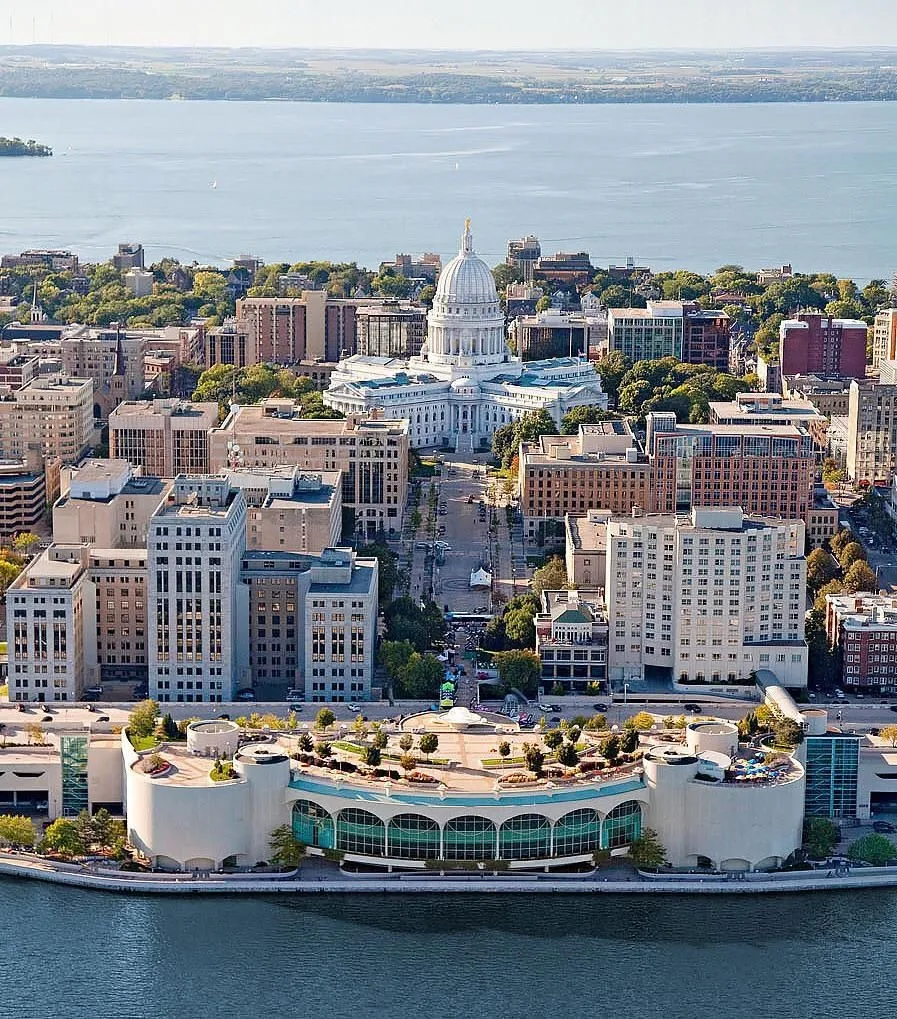
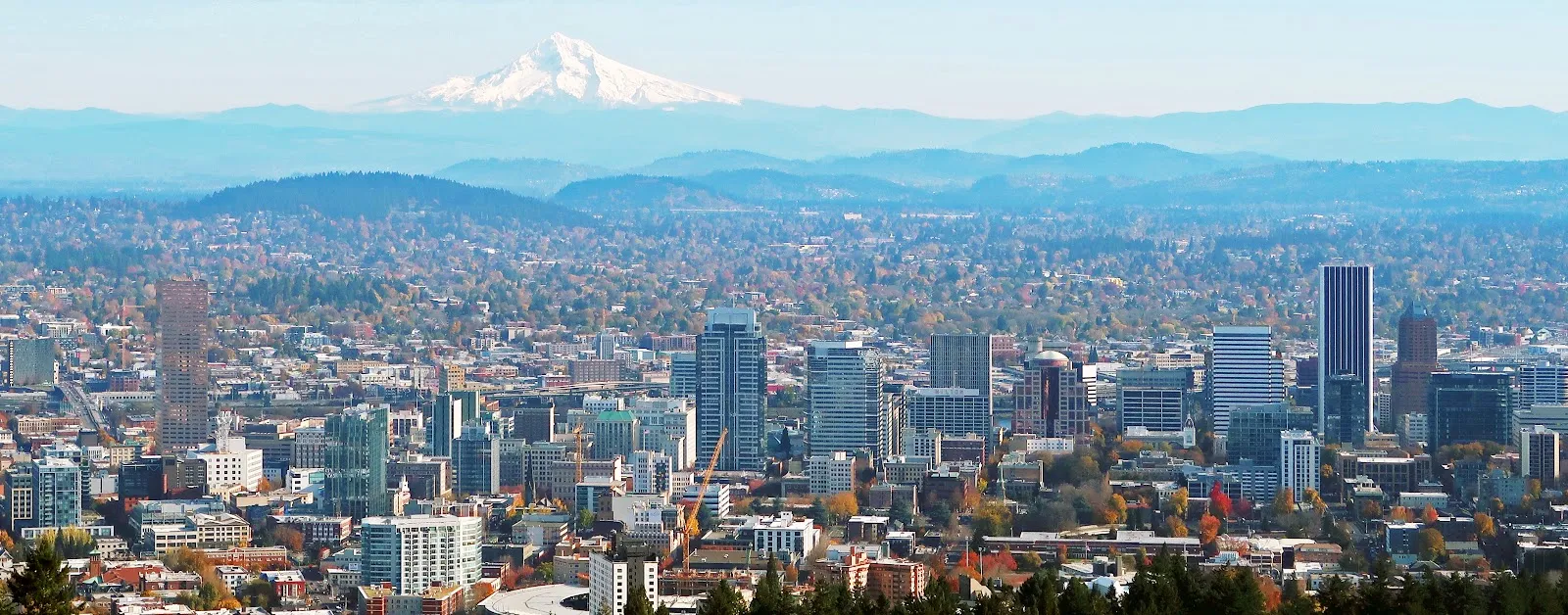
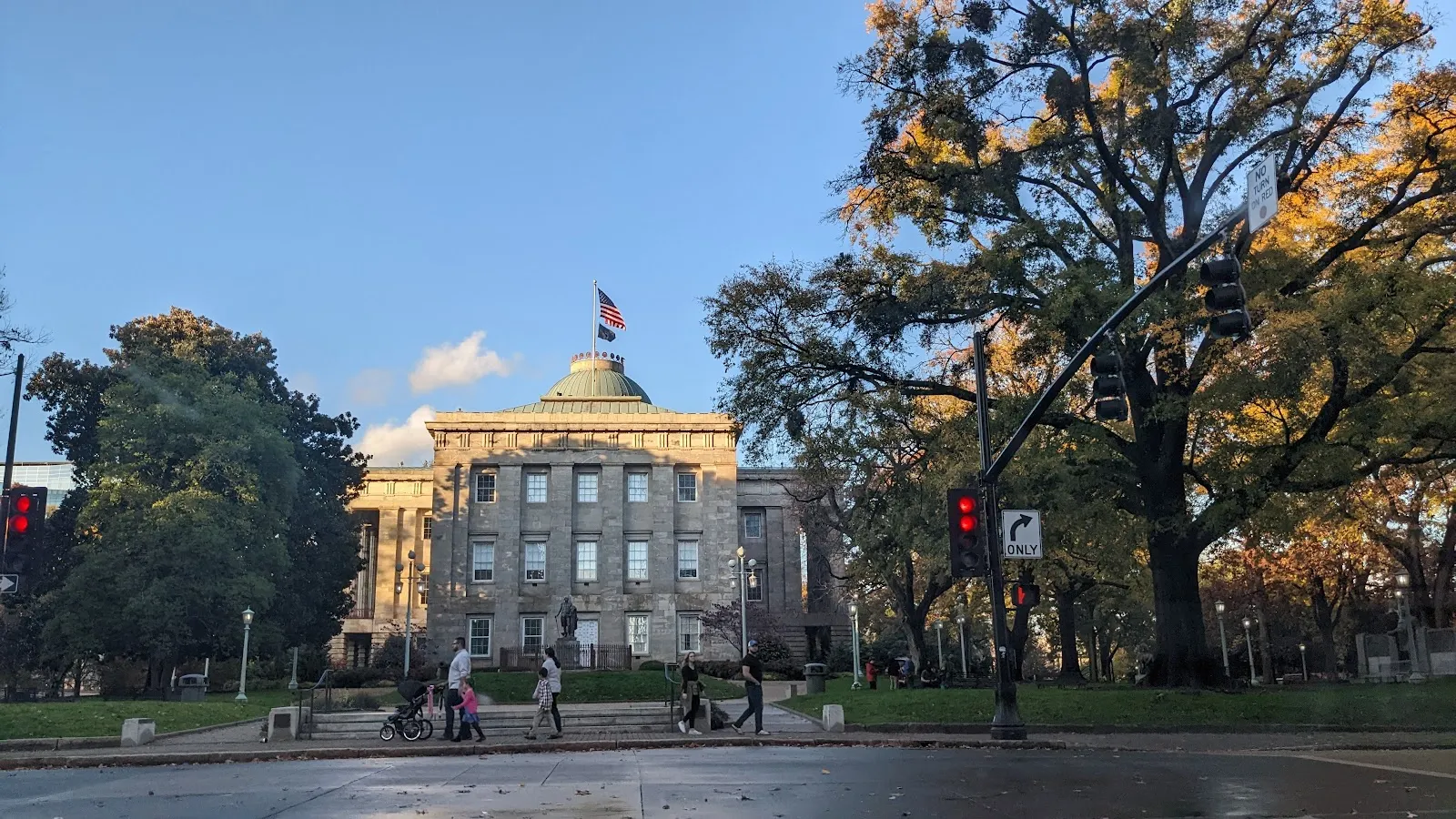
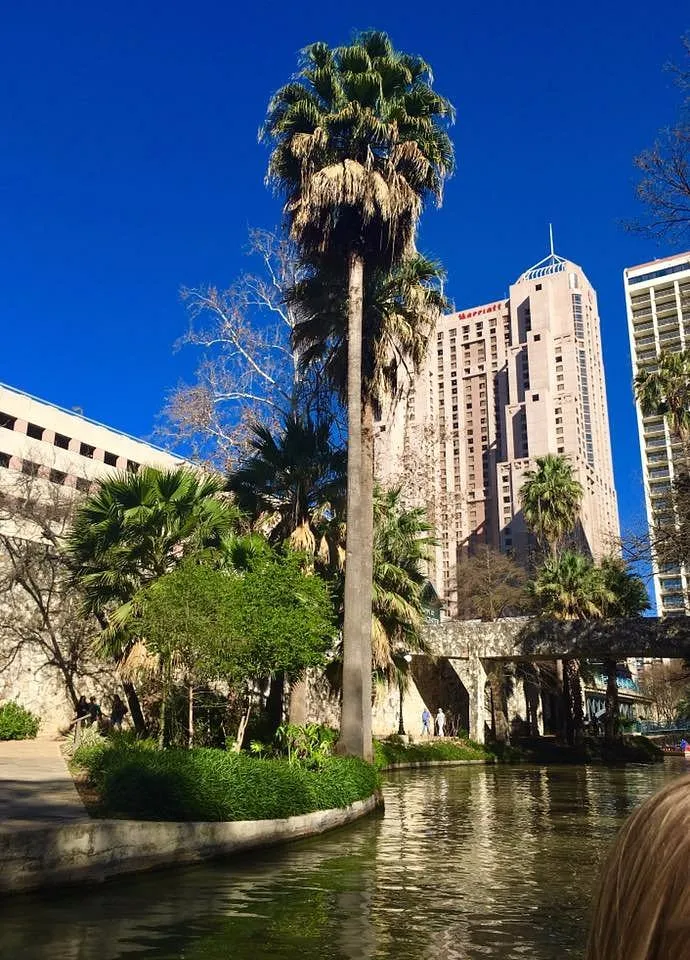
Weather in Princeton
Princeton, WV, United States experiences a humid subtropical climate characterized by four distinct seasons with warm, humid summers and cold, snowy winters. The city receives an average annual precipitation of approximately 42 inches (1067 mm), with July being the wettest month, averaging 4.5 inches (114 mm) of rainfall.
Seasonal Breakdown
- Spring (March to May)Temperatures gradually rise from an average high of 54°F (12°C) in March to 73°F (23°C) in May. Rainfall increases during this period, with May receiving the most precipitation, averaging 4.1 inches (104 mm).
- Summer (June to August)The hottest months, with average highs ranging from 80°F (27°C) in June to 84°F (29°C) in July. Rainfall is frequent, averaging around 4.5 inches (114 mm) per month, with thunderstorms being common.
- Autumn (September to November)Temperatures gradually decrease from an average high of 77°F (25°C) in September to 55°F (13°C) in November. Rainfall remains moderate, averaging around 3.5 inches (89 mm) per month.
- Winter (December to February)The coldest period, with average highs ranging from 44°F (7°C) in December to 41°F (5°C) in February. Snowfall is common, averaging about 10 inches (254 mm) in January.
Notable Weather Events
- Occasional heatwaves during summer months.
- Frequent thunderstorms in summer.
- Snowstorms and cold snaps in winter.
Princeton's Political Climate
Princeton, located in West Virginia, is a city with a rich political history and a dynamic political climate. The city is governed by a mayor-council system, which allows for a balance of power between the executive and legislative branches. Historically, Princeton has leaned towards conservative political affiliations, reflecting the broader political tendencies of West Virginia. However, recent years have seen a gradual shift towards more progressive policies, particularly in areas such as education and healthcare.
The current political leadership in Princeton is focused on addressing key issues such as economic development, infrastructure improvement, and public health. The city has been proactive in implementing policies aimed at improving the quality of life for its residents. For instance, there have been significant efforts to enhance public transportation and promote sustainable practices within the community.
Princeton's political climate is also influenced by its commitment to social justice and community engagement. The city has seen a rise in civic activism, with residents increasingly participating in local government and community initiatives. This engagement has led to a more transparent and accountable governance structure, fostering trust between the government and its citizens.
Recent political events in Princeton include a push for educational reform and increased funding for public schools. The city has also been at the forefront of advocating for healthcare accessibility, reflecting the residents' priorities and concerns. These efforts are indicative of a broader trend towards progressive change, despite the city's traditionally conservative roots.
Political Quick Facts
- Voter Turnout62%
- City GovernanceMayor-council system
- CompositionMajority Republican with a growing number of Independents and Democrats
- Recent Political ChangesIncreased focus on education reform and healthcare accessibility
- EngagementHigh, with active community participation in local governance
- Political ScorecardB+ for governance and transparency
- Legislative PrioritiesEconomic development Infrastructure improvement Public health initiatives
- Public OpinionGenerally conservative but increasingly open to progressive ideas
Notable Political Figures
- John DoeCurrent mayor known for his focus on economic development and infrastructure.
- Jane SmithCity council member advocating for educational reform and social justice.
- Robert JohnsonLocal activist and community leader pushing for healthcare accessibility.