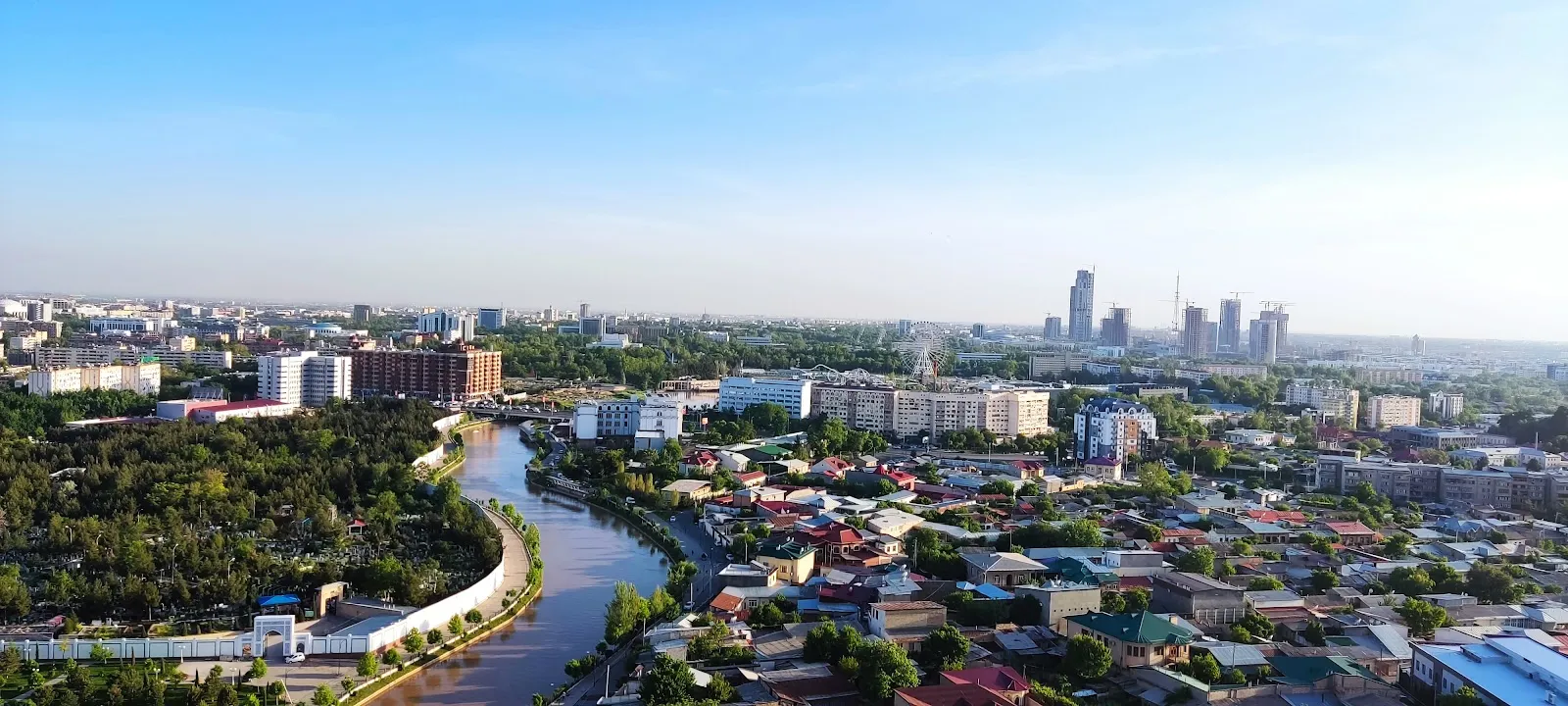
Traffic in Namangan
Namangan, a vibrant city in Uzbekistan, is navigating its transportation landscape with a focus on sustainability and efficiency.Despite the lack of detailed traffic data, Namangan is committed to improving its transportation infrastructure and reducing emissions.Average Commute Times
More Information
Seasonal Trends
Traffic tends to increase during the summer months as tourism peaks in Namangan.
Winter months may see reduced traffic due to harsher weather conditions affecting travel.
Commuter Pain Points
Limited public transportation options can make commuting challenging for residents.
Traffic congestion during peak hours is a common issue faced by Namangan commuters.
Best Travel Times
Early mornings and late evenings are generally the best times to travel to avoid congestion.
Midday travel can also be less crowded, providing a smoother commute experience.
Event Impacts
Public events and festivals can significantly impact traffic flow, requiring strategic planning.
During major events, alternative routes and public transport options are recommended.
Sustainability Efforts
Namangan is exploring green transportation initiatives to reduce its carbon footprint.
Efforts include promoting cycling and walking as viable commuting options.
Ride-Sharing Impact
Ride-sharing services are gradually gaining popularity, offering flexible commuting options.
These services can help reduce the number of cars on the road, easing traffic congestion.