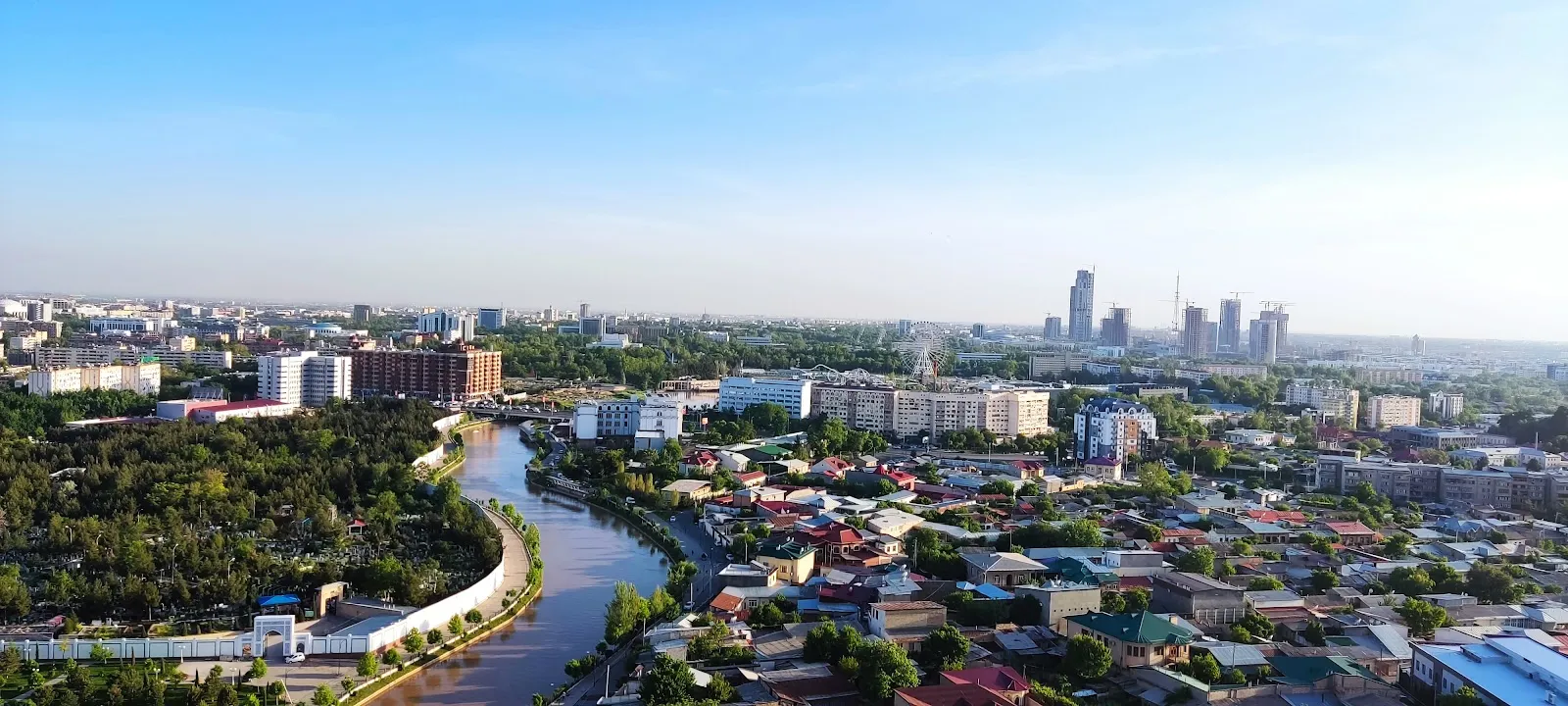
Traffic in Nukus
Nukus, the capital of Karakalpakstan in Uzbekistan, presents a unique transportation landscape in 2024.Despite the lack of detailed traffic data, understanding the city's transportation dynamics is crucial for planning and development.Average Commute Times
More Information
Seasonal Trends
Traffic patterns in Nukus may vary with seasonal agricultural activities, impacting road usage.
Winter months might see reduced traffic due to harsh weather conditions.
Commuter Pain Points
Limited public transportation options can lead to reliance on personal vehicles.
Infrastructure development is needed to accommodate growing transportation demands.
Best Travel Times
Early mornings and late evenings are typically less congested times to travel in Nukus.
Avoiding peak agricultural activity periods can help reduce travel delays.
Event Impacts
Public events and festivals can significantly impact traffic flow, requiring strategic planning.
Cultural events in Nukus often lead to increased pedestrian and vehicle traffic.
Sustainability Efforts
Nukus is exploring initiatives to promote cycling and walking as eco-friendly commuting options.
Efforts to improve public transportation infrastructure are underway to reduce reliance on personal vehicles.
Ride-Sharing Impact
Ride-sharing services are gradually influencing transportation habits in Nukus.
These services offer flexible commuting options, potentially reducing traffic congestion.