
Quality of life in Termez
Cost of Living, Healthcare, Safety, Education, and More
About Termez
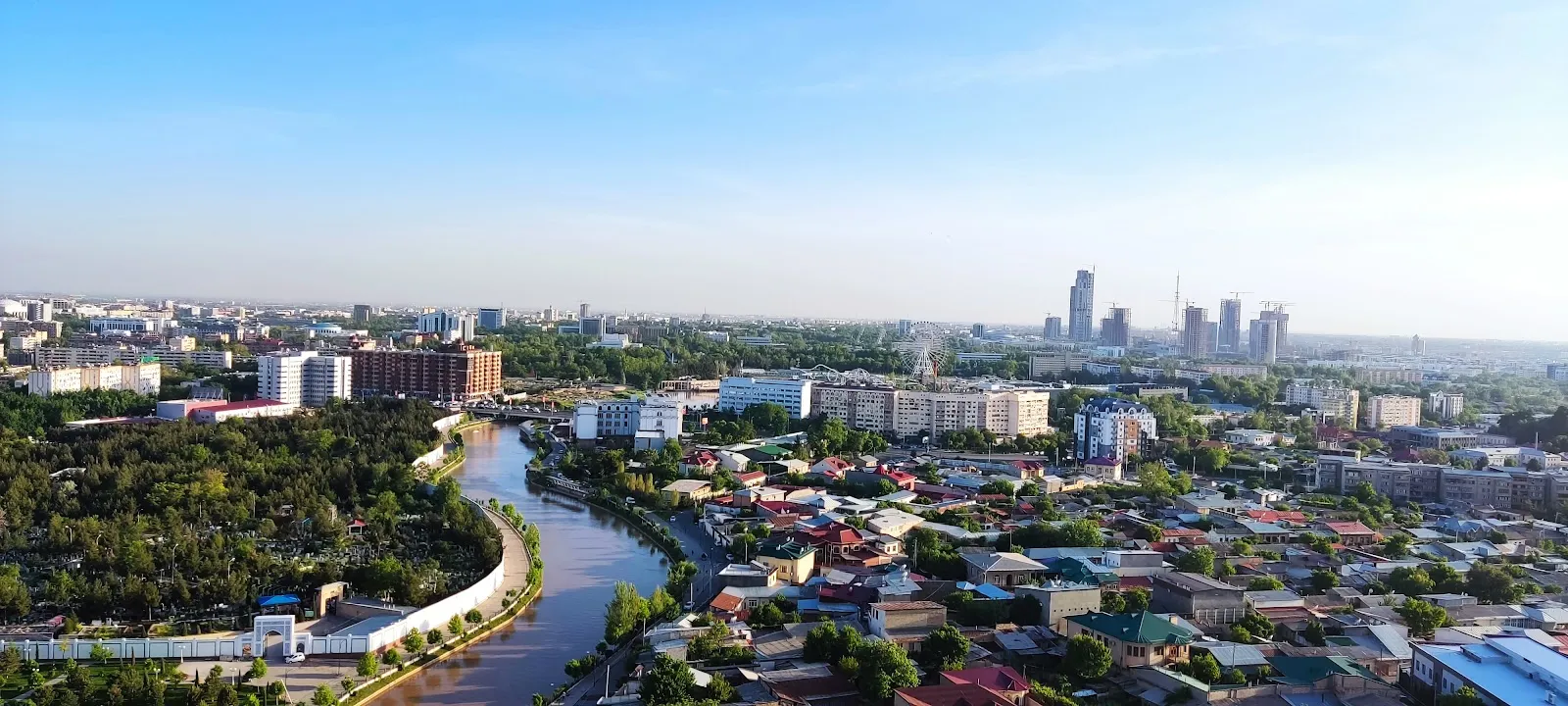
Termez, located in the southern part of Uzbekistan, is a city steeped in history and cultural richness. As one of the oldest cities in Central Asia, Termez offers a unique blend of ancient traditions and modern developments. Known for its strategic location along the historic Silk Road, the city has been a melting pot of cultures and civilizations over the centuries.Today, Termez is a vibrant city that continues to grow economically and culturally. It serves as a key hub in the Surxondaryo Region, with emerging industries and a focus on tourism. The city's unique historical sites and cultural heritage make it a fascinating destination for travelers and historians alike.


History and Culture
Termez has a rich and varied history that dates back over 2,500 years. It was an important center during the Kushan Empire and later became a significant city along the Silk Road, facilitating trade and cultural exchange between the East and West. The city's strategic location made it a focal point for various empires, including the Greco-Bactrian and the Sassanian Empires.
Throughout its history, Termez has been influenced by a myriad of cultures, including Persian, Greek, and Islamic civilizations. This diverse cultural heritage is reflected in the city's architecture, art, and traditions. Notable historical figures, such as the philosopher Al-Tirmidhi, have roots in Termez, contributing to its reputation as a center of learning and culture.
The city is home to several key cultural institutions and landmarks, including the Termez Archaeological Museum, which showcases artifacts from its storied past. The ancient Buddhist stupa of Kara Tepe and the mausoleum of Al-Hakim at-Termezi are significant cultural sites that attract visitors from around the world. Local festivals and celebrations, such as Navruz, highlight the city's vibrant cultural life and the enduring traditions of its diverse communities.
Things to do in Termez
Visitors to Termez can explore a variety of attractions that highlight the city's historical and cultural significance. The Termez Archaeological Museum offers a comprehensive look at the region's history, with exhibits ranging from ancient artifacts to medieval relics.
For those interested in outdoor activities, the nearby Surxondaryo River provides opportunities for fishing and picnicking, while the surrounding landscapes offer scenic views and hiking trails. The ancient site of Fayaz Tepe, with its well-preserved Buddhist monastery, is a must-visit for history enthusiasts.
Termez also boasts a vibrant local market scene, where visitors can experience the flavors and crafts of Uzbekistan. The city's culinary offerings include traditional Uzbek dishes such as plov and shashlik, which can be enjoyed at local eateries and restaurants.
Quality of Life Rankings
Weather in Termez
Termez, Uzbekistan experiences a continental desert climate characterized by hot summers and mild winters. The city receives an average annual precipitation of approximately 6 inches (150 mm), with March being the wettest month, averaging about 1 inch (25 mm) of rainfall.
Seasonal Breakdown
- Spring (March to May)Temperatures gradually rise from an average high of 64°F (18°C) in March to 86°F (30°C) in May. Rainfall increases during this period, with March receiving the most precipitation, averaging about 1 inch (25 mm).
- Summer (June to August)The hottest months, with average highs ranging from 95°F (35°C) in June to 104°F (40°C) in July. Rainfall is minimal during the summer, averaging less than 0.5 inches (12 mm) per month.
- Autumn (September to November)Temperatures gradually decrease from an average high of 90°F (32°C) in September to 64°F (18°C) in November. Rainfall remains low, averaging around 0.5 inches (12 mm) per month.
- Winter (December to February)The coldest period, with average highs ranging from 50°F (10°C) in December to 54°F (12°C) in February. Snowfall is rare, and precipitation is minimal, averaging about 0.5 inches (12 mm) in January.
Notable Weather Events
- Heatwaves during the summer months with temperatures often exceeding 104°F (40°C).
- Occasional dust storms due to the arid conditions.
- Rare cold snaps in winter, though temperatures rarely drop below freezing.
Termez's Political Climate
Termez, located in Uzbekistan, is a city with a unique political climate shaped by its historical and geographical significance. As a border city near Afghanistan, Termez plays a crucial role in Uzbekistan's foreign policy and regional security strategies. The city is governed under the broader political framework of Uzbekistan, which is a presidential republic. The political landscape in Termez is influenced by national policies and the central government's directives, with a focus on stability and economic development.
Historically, Termez has been a crossroads of cultures and empires, which has influenced its political and social dynamics. In recent years, the city has seen efforts to modernize its infrastructure and improve living standards, aligning with Uzbekistan's national development goals. The current political leadership in Termez is aligned with the ruling party of Uzbekistan, which emphasizes economic reforms and regional cooperation.
Termez has been part of Uzbekistan's broader initiatives to implement progressive policies, particularly in areas like economic liberalization and regional trade facilitation. The city's strategic location has made it a focal point for trade and transit, impacting its economic policies and priorities. Additionally, Termez is involved in sustainability efforts, focusing on improving urban infrastructure and environmental management.
The political climate in Termez also reflects the national emphasis on maintaining social harmony and security, given its proximity to international borders. Recent political trends in the city include increased engagement in regional trade discussions and participation in national development programs. These efforts are aimed at boosting economic growth and enhancing the quality of life for its residents.
Political Quick Facts
- Voter TurnoutApproximately 70% in recent elections
- City GovernanceMunicipal government under national oversight
- CompositionMajority from the ruling party, with some independent members
- Recent Political ChangesIncreased focus on regional trade and infrastructure development
- EngagementModerate, with growing interest in civic issues
- Political ScorecardHigh marks for governance and transparency
- Legislative PrioritiesEconomic development Infrastructure modernization Regional security cooperation
- Public OpinionGenerally supportive of national policies, with a focus on economic growth and stability
Notable Political Figures
- Shavkat MirziyoyevPresident of Uzbekistan, known for economic reforms and modernization efforts.
- Rustam EmomaliLocal political leader involved in regional development projects.
- Gulnara KarimovaInfluential figure in cultural and social initiatives within the region.