
Quality of life in Ciudad Guayana (Puerto Ordaz and San Felix)
Cost of Living, Healthcare, Safety, Education, and More
About Ciudad Guayana (Puerto Ordaz and San Felix)
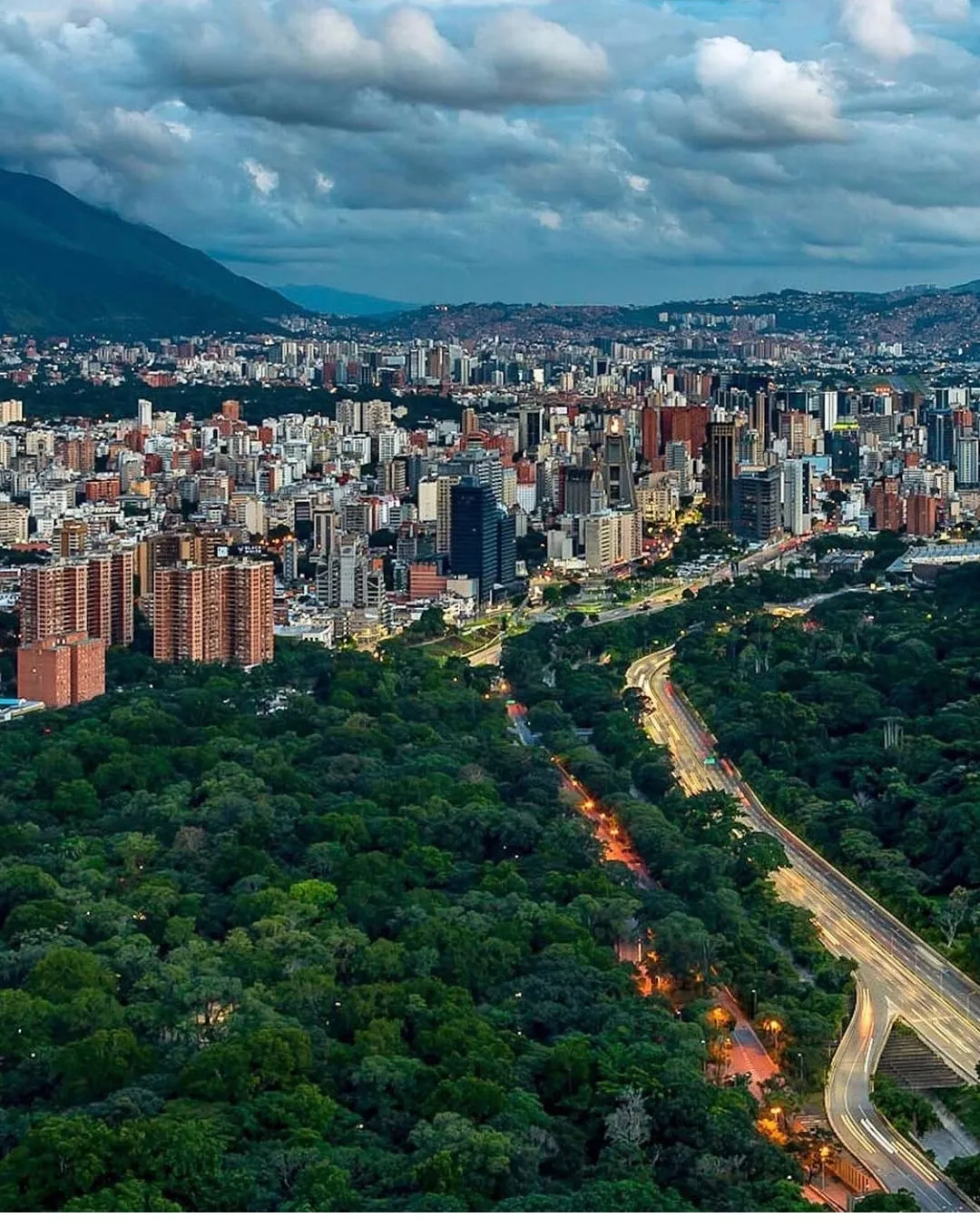
Ciudad Guayana, located in the southeastern part of Venezuela, is a vibrant city formed by the merging of Puerto Ordaz and San Felix. It is known for its strategic location at the confluence of the Orinoco and Caroní rivers, which has made it a hub for industrial and economic activities. The city is characterized by its modern infrastructure, lush green parks, and a diverse cultural scene that reflects the rich heritage of Venezuela.In recent years, Ciudad Guayana has been experiencing a transformation with emerging industries and a growing focus on sustainable development. The city is becoming increasingly attractive to both local and international investors, thanks to its abundant natural resources and strategic importance in the region.


History and Culture
Ciudad Guayana's history is deeply intertwined with the development of Venezuela's industrial sector. The city was officially founded in 1961, but its roots go back to the early 20th century when the region began to develop due to its rich mineral deposits. The establishment of the Orinoco Steelworks in the 1950s marked a significant turning point, transforming the area into an industrial powerhouse.
Culturally, Ciudad Guayana is a melting pot of traditions and influences. The city hosts a variety of cultural institutions, including museums and theaters, which celebrate both local and national heritage. The influence of indigenous communities, as well as European and African cultures, is evident in the city's festivals, music, and culinary traditions.
Notable cultural landmarks include the Cachamay Park, known for its stunning waterfalls and lush landscapes, and the Ecomuseum of Caroní, which offers insights into the region's ecological and industrial history. The city also celebrates numerous festivals, such as the Carnival of Ciudad Guayana, which showcases vibrant parades and traditional music.
Things to do in Ciudad Guayana (Puerto Ordaz and San Felix)
Visitors to Ciudad Guayana can explore a wide range of activities and attractions. The city is home to the stunning Llovizna Falls, where visitors can enjoy breathtaking views and serene nature walks. For those interested in history and culture, the Ecomuseum of Caroní provides a fascinating look into the region's industrial past and ecological diversity.
Outdoor enthusiasts will appreciate the numerous parks and natural reserves, such as the Cachamay Park, which offers opportunities for hiking, picnicking, and wildlife observation. The Orinoco and Caroní rivers also provide excellent spots for water sports and fishing.
The local dining scene is vibrant, with a variety of restaurants offering traditional Venezuelan cuisine as well as international dishes. Visitors can also enjoy shopping at local markets and boutiques, where they can find unique crafts and souvenirs.
Quality of Life Rankings
Weather in Ciudad Guayana (Puerto Ordaz and San Felix)
Ciudad Guayana, Venezuela experiences a tropical savanna climate characterized by a distinct wet and dry season. The city is generally warm throughout the year, with temperatures remaining relatively stable. The average annual precipitation is approximately 47 inches (1200 mm), with July being the wettest month, averaging around 8 inches (200 mm) of rainfall.
Seasonal Breakdown
- Spring (March to May)Temperatures during spring remain warm, with average highs ranging from 86°F (30°C) in March to 88°F (31°C) in May. Rainfall begins to increase towards the end of the season, particularly in May, as the city transitions into the wet season.
- Summer (June to August)Summer is part of the wet season, with average highs around 88°F (31°C). July is the wettest month, receiving about 8 inches (200 mm) of rainfall. Humidity levels are high, and thunderstorms are common.
- Autumn (September to November)Temperatures remain warm, with average highs around 88°F (31°C). Rainfall starts to decrease in November as the city moves towards the dry season, with September and October still experiencing significant precipitation.
- Winter (December to February)Winter is part of the dry season, with average highs around 86°F (30°C). Rainfall is minimal, with February being one of the driest months, receiving less than 1 inch (25 mm) of rain.
Notable Weather Events
- Frequent thunderstorms during the wet season
- High humidity levels throughout the year
- Occasional flooding during peak rainfall months
Ciudad Guayana (Puerto Ordaz and San Felix)'s Political Climate
Ciudad Guayana, encompassing the areas of Puerto Ordaz and San Felix, is a significant urban center in Venezuela, known for its industrial prowess and strategic location at the confluence of the Orinoco and Caroní rivers. The political climate in Ciudad Guayana is heavily influenced by the broader national context of Venezuela, which has been marked by political instability and economic challenges. The city is governed by local officials aligned with the national government, which is led by the United Socialist Party of Venezuela (PSUV).
Historically, Ciudad Guayana has been a hub for industrial development, particularly in the steel and aluminum sectors, which has shaped its political and economic landscape. The city's leadership has often focused on policies that support industrial growth and infrastructure development. However, in recent years, the city has faced significant challenges, including economic decline, resource shortages, and social unrest, reflecting the broader issues facing Venezuela.
In terms of progressive policies, Ciudad Guayana has made efforts towards environmental sustainability, particularly in managing the ecological impact of its industrial activities. Social justice initiatives have also been a focus, with local movements advocating for improved living conditions and greater political transparency. The political climate in Ciudad Guayana is characterized by a strong sense of community activism, with residents actively participating in local governance and policy discussions.
Recent political events in Ciudad Guayana include local protests and movements demanding better public services and accountability from government officials. These events highlight the growing political engagement among residents, who are increasingly vocal about their demands for change. The city's political climate continues to evolve, influenced by both local dynamics and the broader national situation in Venezuela.
Political Quick Facts
- Voter TurnoutApproximately 50%
- City GovernanceMayor-council government
- CompositionMajority PSUV with minority opposition parties
- Recent Political ChangesIncreased civic protests and demands for public service improvements
- EngagementHigh, with active community participation in political processes
- Political ScorecardModerate, with challenges in transparency and governance
- Legislative PrioritiesIndustrial revitalization Public service improvements Environmental sustainability
- Public OpinionPredominantly supportive of socialist policies, with growing calls for reform and transparency
Notable Political Figures
- Tito OviedoCurrent mayor of Ciudad Guayana, affiliated with PSUV, focusing on industrial and infrastructural development.
- José Ramón LópezFormer mayor known for his infrastructure projects and efforts to improve public services.
- Américo De GraziaOpposition politician and former member of the National Assembly, advocating for democratic reforms.