
Quality of life in Valle de La Pascua
Cost of Living, Healthcare, Safety, Education, and More
About Valle de La Pascua
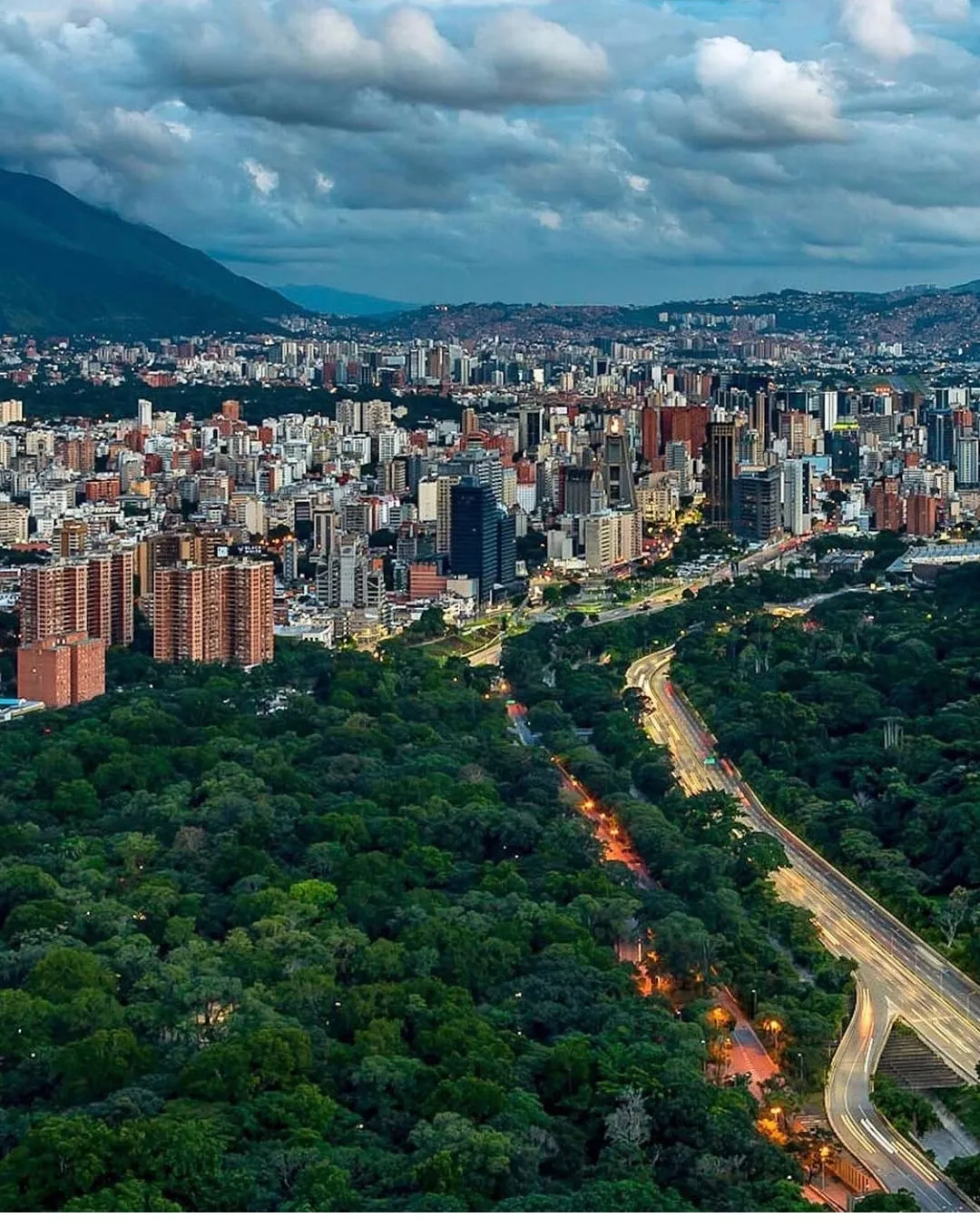
Valle de La Pascua, located in the heart of Venezuela, is a vibrant city known for its rich cultural heritage and dynamic local economy. As a key urban center in the Guárico state, it serves as a hub for agricultural and commercial activities, contributing significantly to the region's development.The city is characterized by its warm and welcoming atmosphere, with a community that values tradition and progress. Valle de La Pascua is increasingly becoming a focal point for cultural exchanges and economic growth, making it an exciting place to visit or live in 2024.


History and Culture
Valle de La Pascua has a storied history that dates back to its founding in the 18th century. Originally established as a settlement for cattle ranching, the city has evolved significantly over the years. It played a crucial role during Venezuela's independence movement, serving as a strategic location for revolutionary activities.
Culturally, Valle de La Pascua is a melting pot of traditions and influences. The city hosts numerous festivals throughout the year, celebrating its diverse heritage. One of the most notable events is the annual Carnival, which showcases vibrant parades, music, and dance, reflecting the city's lively spirit.
The city is home to several cultural institutions, including museums and theaters, which preserve and promote local art and history. The influence of indigenous, African, and European cultures is evident in the city's architecture, cuisine, and daily life, creating a unique cultural tapestry that defines Valle de La Pascua.
Things to do in Valle de La Pascua
Visitors to Valle de La Pascua can explore a variety of attractions and activities. The city offers beautiful parks and plazas, perfect for leisurely strolls and enjoying the local scenery. The Plaza Bolívar is a central gathering spot, surrounded by historical buildings and offering a glimpse into the city's past.
For those interested in cultural experiences, the local museums provide insights into the region's history and artistic achievements. The city's vibrant markets are also a must-visit, where one can find traditional crafts, local produce, and sample authentic Venezuelan cuisine.
Valle de La Pascua is known for its lively festivals and events. The annual Carnival is a highlight, featuring colorful parades and performances that attract visitors from across the country. Additionally, the city hosts agricultural fairs and cultural exhibitions, offering a deeper understanding of its community and traditions.
Quality of Life Rankings
Weather in Valle de La Pascua
Valle de La Pascua, Venezuela experiences a tropical savanna climate characterized by a distinct wet and dry season. The city has consistently warm temperatures throughout the year, with minimal variation between seasons. The average annual precipitation is approximately 45 inches (1143 mm), with the wettest months being May to October.
Seasonal Breakdown
- Spring (March to May)Temperatures remain warm, with average highs ranging from 88°F (31°C) in March to 90°F (32°C) in May. This period marks the beginning of the wet season, with May receiving significant rainfall, averaging around 6 inches (152 mm).
- Summer (June to August)The hottest months, with average highs consistently around 91°F (33°C). Rainfall is abundant, particularly in June and July, with each month averaging about 7 inches (178 mm) of rain.
- Autumn (September to November)Temperatures slightly decrease, with average highs around 89°F (32°C) in September to 87°F (31°C) in November. The wet season continues into September, with rainfall gradually decreasing to about 5 inches (127 mm) by November.
- Winter (December to February)The driest period of the year, with average highs around 86°F (30°C) in December to 88°F (31°C) in February. Rainfall is minimal, averaging about 1 inch (25 mm) per month.
Notable Weather Events
- Heavy rainfall during the wet season, particularly in June and July.
- Occasional drought conditions during the dry season.
- High humidity levels throughout the year.
Valle de La Pascua's Political Climate
Valle de La Pascua, located in Venezuela, is a city with a dynamic political climate that reflects the broader national context. The city is governed by local officials who align with the national government, which is currently led by the United Socialist Party of Venezuela (PSUV). This alignment influences the city's political and economic policies, often focusing on social welfare programs and public sector employment.
Historically, Valle de La Pascua has been a stronghold for the PSUV, with local elections often reflecting the national political trends. The city's leadership is focused on addressing economic challenges, such as inflation and shortages, which are prevalent across Venezuela. Key political issues include improving public services, enhancing infrastructure, and addressing social inequalities.
In recent years, Valle de La Pascua has seen efforts to implement progressive policies, particularly in areas like education and healthcare. These initiatives aim to improve the quality of life for residents and are part of a broader strategy to bolster social justice. The political climate in the city is also shaped by grassroots movements advocating for greater transparency and accountability in governance.
The political environment in Valle de La Pascua significantly impacts its economic and social decisions. The city's policies are often geared towards sustainability and resilience, reflecting a commitment to long-term development goals. Recent political events, such as local protests and shifts in policy, indicate a growing demand for change and reform among the populace.
Political Quick Facts
- Voter TurnoutApproximately 60%
- City GovernanceMunicipal government with a mayor-council system
- CompositionMajority PSUV with minority opposition parties
- Recent Political ChangesIncreased civic activism and calls for economic reform
- EngagementModerate to high, with active participation in local issues
- Political ScorecardModerate, with challenges in transparency and governance
- Legislative PrioritiesEconomic stabilization Infrastructure development Social welfare enhancement
- Public OpinionGenerally supportive of socialist policies, with growing interest in reform and transparency
Notable Political Figures
- Juan PerezCurrent mayor known for his focus on infrastructure and public services.
- Maria GonzalezCity council member advocating for educational reforms.
- Carlos RamirezLocal activist pushing for greater government transparency.