Things to do in Aybak
Aybak, the capital of Samangan Province in northern Afghanistan, is a city rich in history and cultural heritage. Nestled amidst scenic landscapes, it offers visitors a glimpse into Afghanistan's ancient past and vibrant local traditions.The city and its surroundings are known for archaeological sites, natural beauty, and traditional Afghan culture, making it a unique destination for travelers interested in history and nature.Takht-i-Rustam
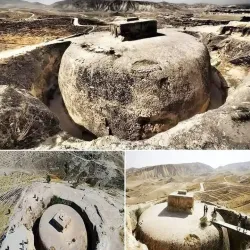
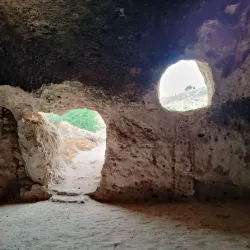
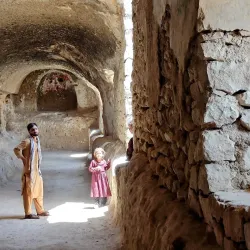
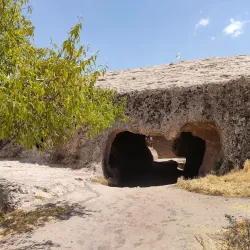
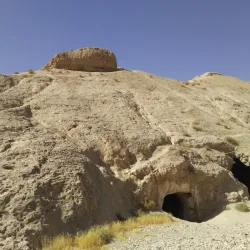
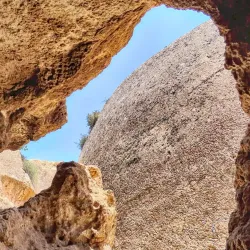
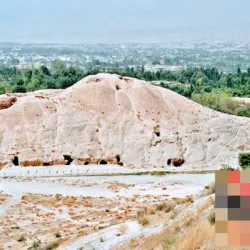
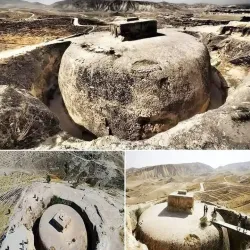
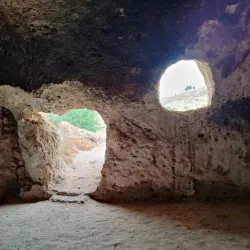
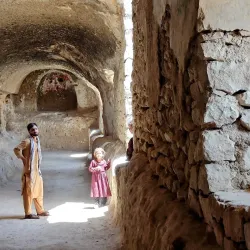
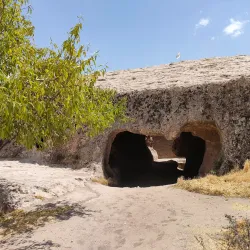
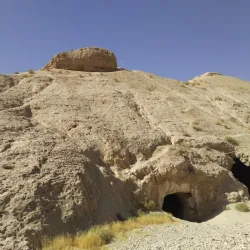
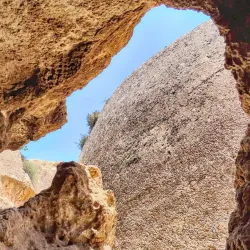
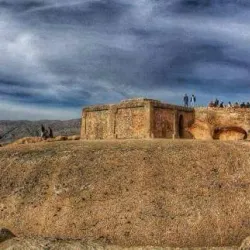
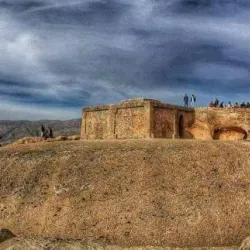
Takht-i-Rustam is an ancient Buddhist monastery complex carved into a cliff, dating back to the 4th-5th centuries AD. It features caves, stupas, and a unique architectural style that reflects the region's Buddhist heritage before the advent of Islam.
This site is one of the most significant archaeological landmarks near Aybak, attracting historians and visitors interested in Afghanistan's pre-Islamic history.
Samangan Archaeological Site

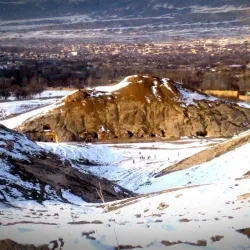
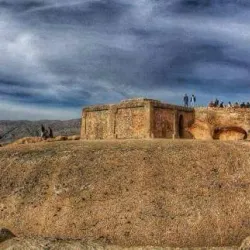
This site encompasses various ruins and artifacts from different historical periods, including Buddhist and Islamic eras. It provides valuable insights into the cultural and religious transitions in the region.
Visitors can explore ancient fortifications, religious structures, and remnants of past civilizations that once thrived in the area.
Aybak Central Mosque
The central mosque in Aybak is a focal point for local religious and community activities. It showcases traditional Afghan Islamic architecture and serves as a place for worship and social gatherings.
The mosque is an important cultural landmark within the city, reflecting the spiritual life of its residents.
Samangan Provincial Museum

This museum houses artifacts and exhibits related to the history, culture, and archaeology of Samangan Province. It offers educational insights into the region's diverse heritage.
Visitors can view ancient tools, pottery, coins, and other historical items that narrate the story of the province and its people.
Aybak Bazaar
The bustling local bazaar in Aybak is a vibrant place to experience everyday Afghan life. It offers a variety of goods including traditional crafts, textiles, spices, and fresh produce.
Exploring the bazaar provides a sensory experience of local culture, commerce, and cuisine.
Koh-e Safid (White Mountain)
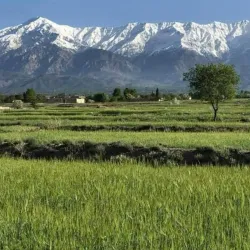
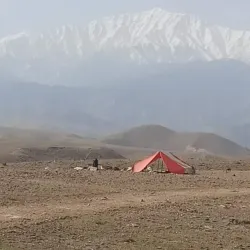
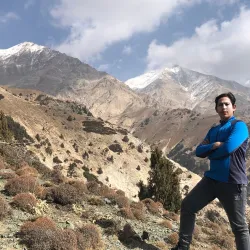
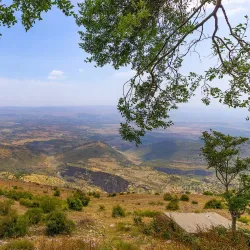
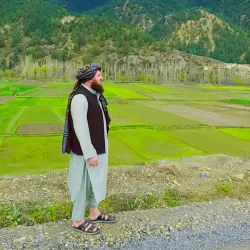
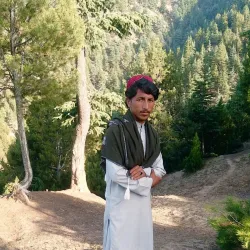
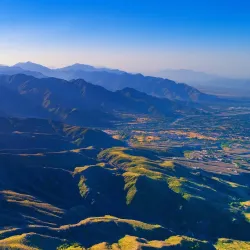
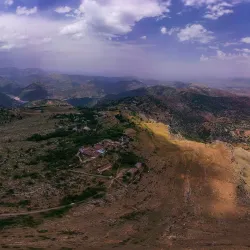
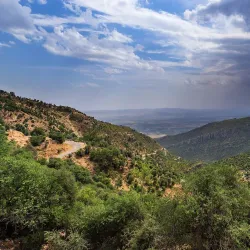
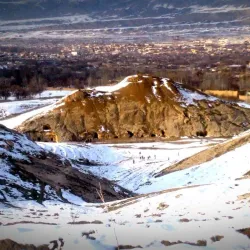
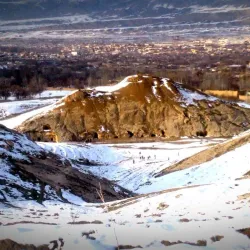
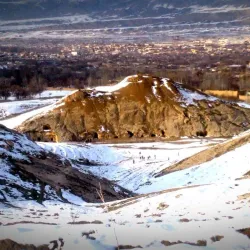
Koh-e Safid is a nearby mountain known for its scenic views and natural beauty. It is a popular spot for hiking and outdoor activities among locals and visitors.
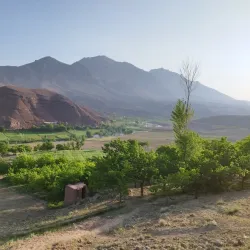
The mountain offers panoramic vistas of Aybak and the surrounding landscapes, making it a great destination for nature lovers.
Ancient Fort Ruins
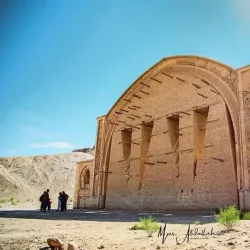
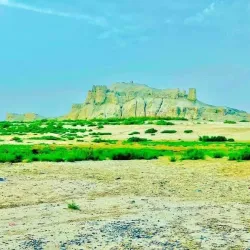
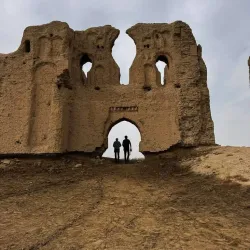
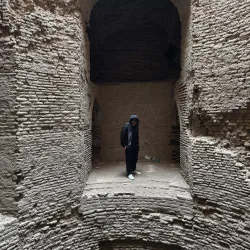
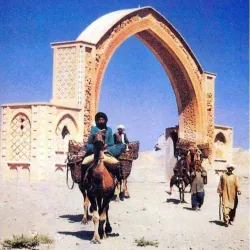
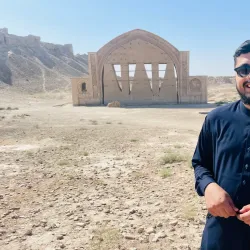
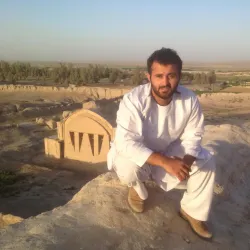
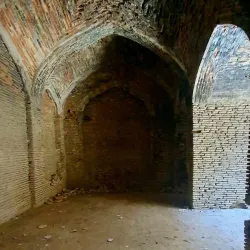
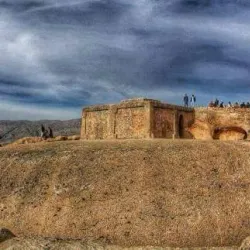
Ruins of an ancient fort near Aybak provide a glimpse into the military history of the region. The site includes remnants of walls and defensive structures from past centuries.
These ruins are significant for understanding the strategic importance of Aybak throughout history.
Local Handicraft Workshops
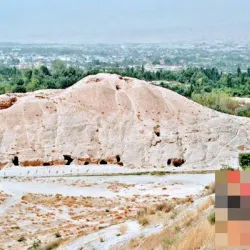
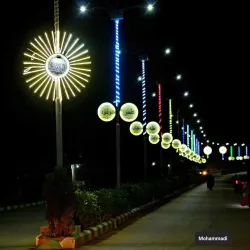
Workshops in Aybak where traditional Afghan crafts such as carpet weaving, pottery, and embroidery are practiced. Visitors can observe artisans at work and purchase handmade souvenirs.
These workshops help preserve cultural heritage and offer a unique cultural experience for tourists.
Aybak Public Park

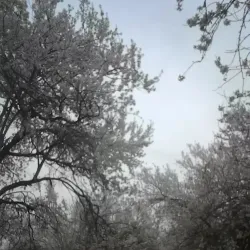
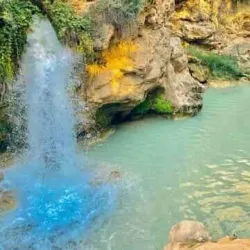
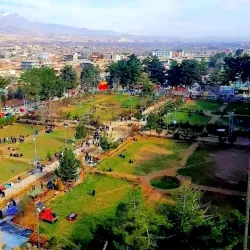
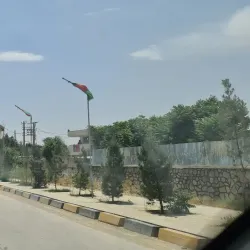
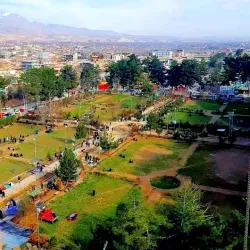
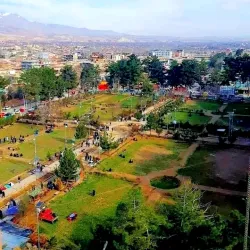
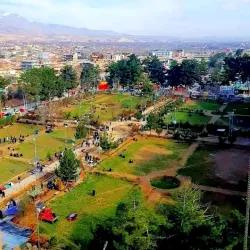
A green space within the city where locals relax and socialize. The park features walking paths, benches, and areas for children to play.
It provides a peaceful environment for visitors to enjoy the local atmosphere and natural surroundings.
Historical Cemetery

An old cemetery in Aybak with traditional Afghan gravestones and inscriptions. It reflects the local customs and history of the community.
The site offers a quiet place for reflection and understanding of the region's cultural heritage.