Things to do in Herat
Herat is a city in western Afghanistan known for its rich history, stunning Islamic architecture, and vibrant cultural heritage. It has been a significant center of art, culture, and trade for centuries, reflecting influences from Persian, Timurid, and Islamic civilizations.The city offers visitors a chance to explore ancient monuments, bustling bazaars, and beautiful gardens, making it a unique destination for those interested in history and culture.Herat Citadel (Citadel of Alexander)
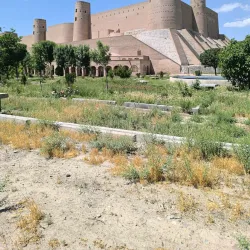
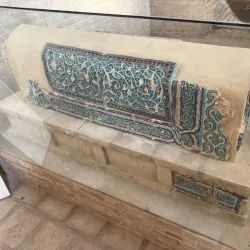
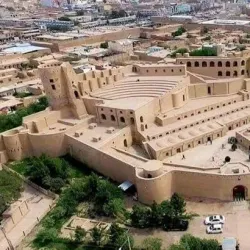
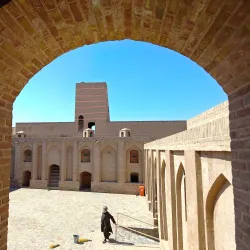
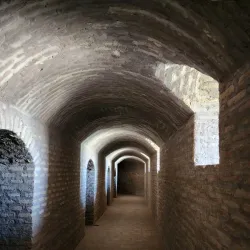
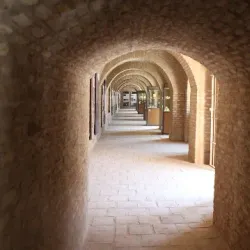
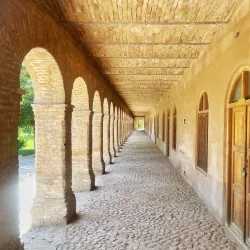
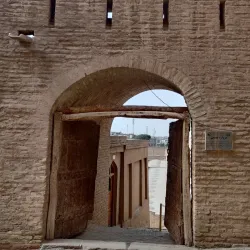
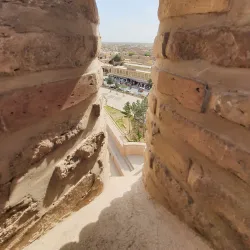
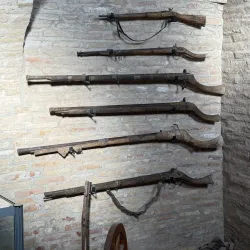
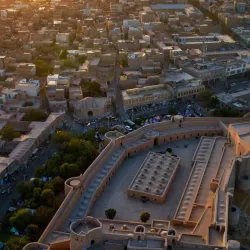
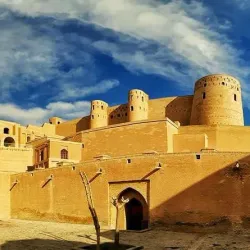
The Herat Citadel, also known as the Citadel of Alexander, is a massive fortress with origins dating back to Alexander the Great's era. It has been rebuilt and restored multiple times, serving as a military stronghold and a symbol of the city's resilience.
Today, the citadel stands as a prominent historical monument offering panoramic views of Herat and insights into the city's strategic importance throughout history.
Jami Mosque of Herat
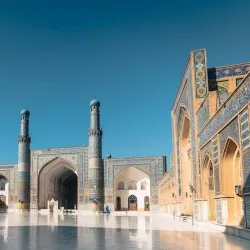
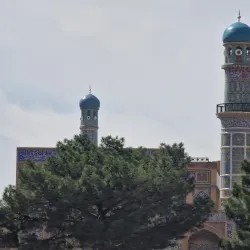
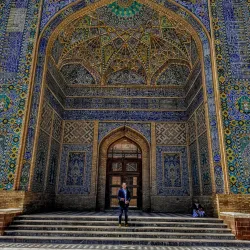
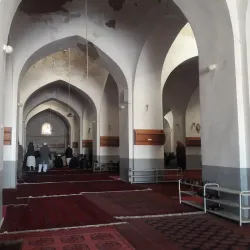
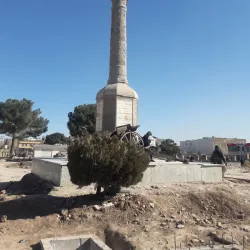
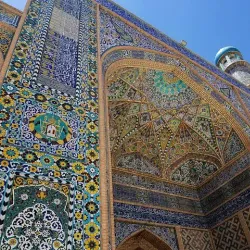
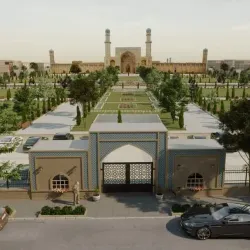
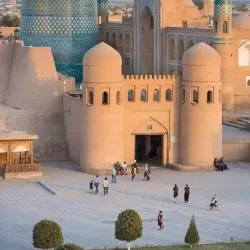

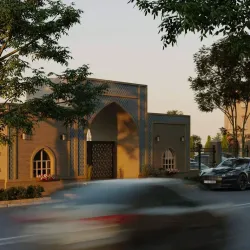
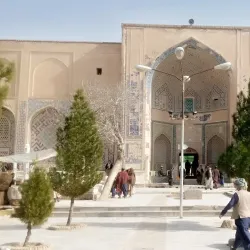
The Jami Mosque is one of the most significant religious sites in Herat, renowned for its stunning Timurid architecture and intricate tile work. It dates back to the 15th century and remains an active place of worship.
The mosque's large courtyard, beautiful minarets, and detailed mosaics make it a must-visit for those interested in Islamic art and architecture.
Gawhar Shad Mausoleum

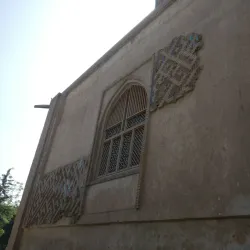
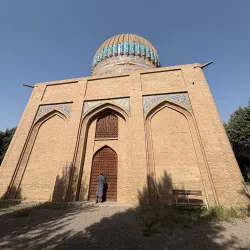



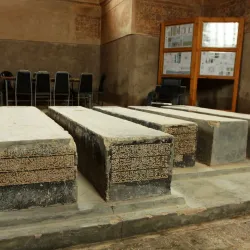
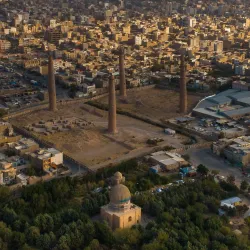
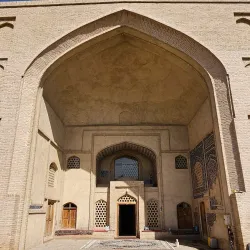
This mausoleum is the resting place of Gawhar Shad, a powerful Timurid queen and patron of the arts. The structure is an excellent example of Timurid architecture with its elaborate tile decorations and grand dome.
Located near the Jami Mosque, it highlights the artistic and cultural achievements of the Timurid period in Herat.
Musalla Complex
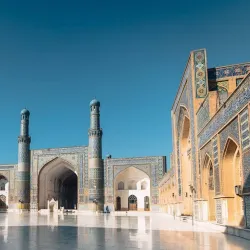
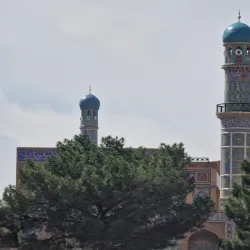
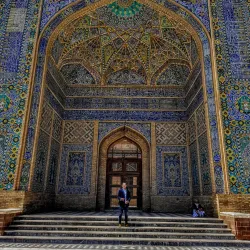
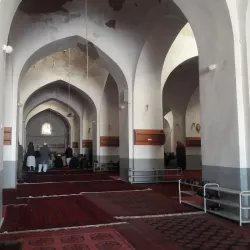
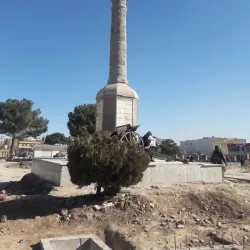
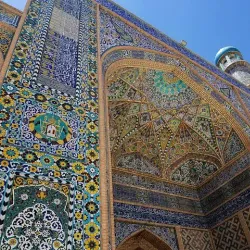
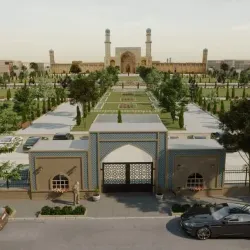
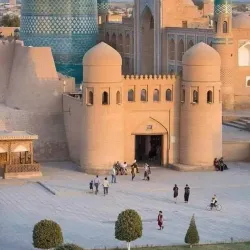
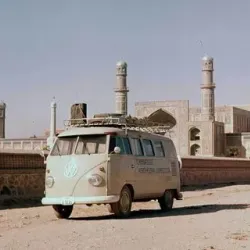
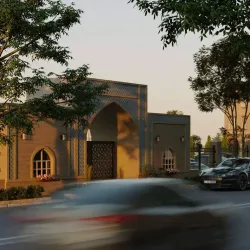
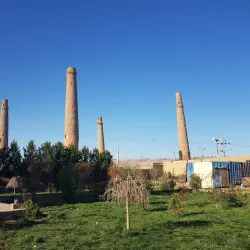
The Musalla Complex was once a grand religious and educational center featuring several minarets and madrasas. Although much of it was destroyed, the remaining minarets and ruins still reflect the architectural brilliance of the Timurid era.
Visitors can explore the site to appreciate the historical significance and the craftsmanship of the period.
Herat National Museum
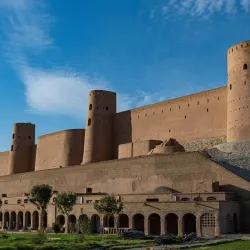


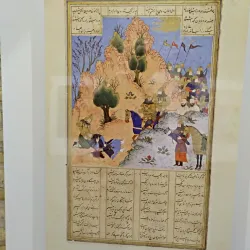


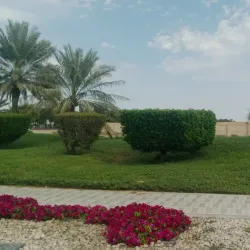
The Herat National Museum houses a collection of artifacts that showcase the region's rich history, including items from the Islamic, Timurid, and earlier periods.
The museum provides valuable context about Herat's cultural and historical development through its exhibits.
Friday Mosque (Masjid Jami)
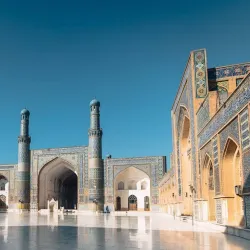

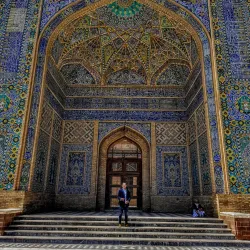
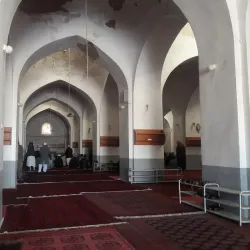
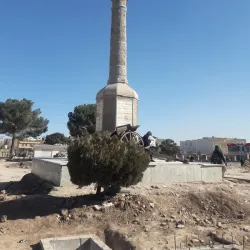
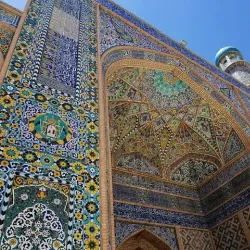
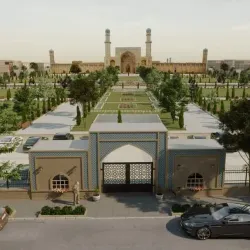
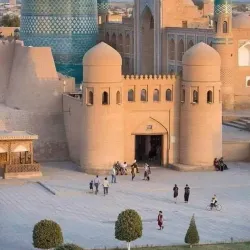
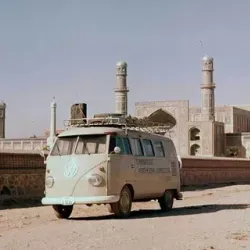
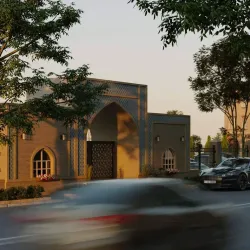
Another important mosque in Herat, the Friday Mosque is known for its beautiful architecture and historical significance. It serves as a central place for community prayers and gatherings.
The mosque's design features intricate tile work and traditional Islamic motifs, making it a notable site for visitors.
Herat Bazaar

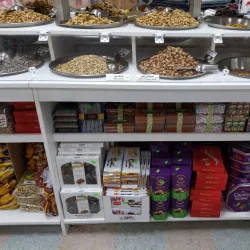


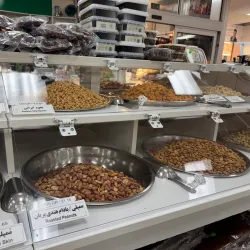
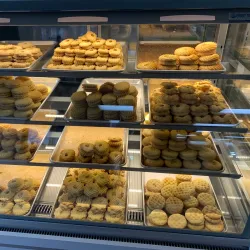




The Herat Bazaar is a vibrant marketplace where visitors can experience local commerce, traditional crafts, and Afghan hospitality.
It is an excellent place to buy carpets, spices, textiles, and souvenirs while observing the daily life of Herat's residents.
Tomb of Khwaja Abdullah Ansari
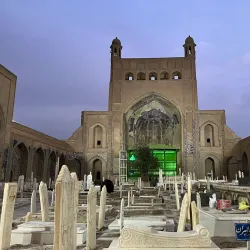
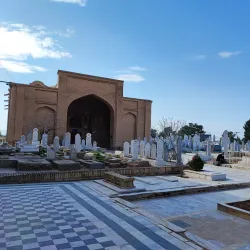
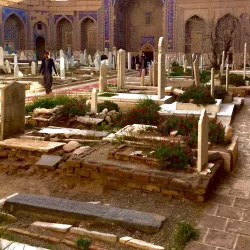
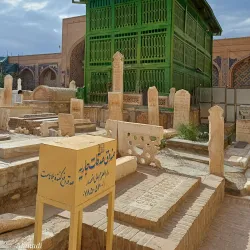
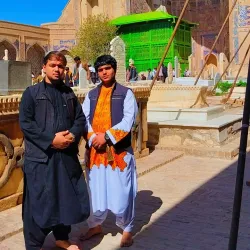
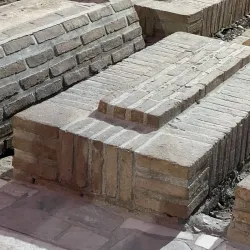
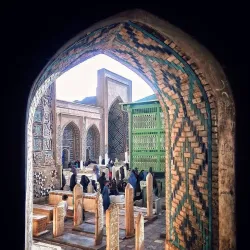
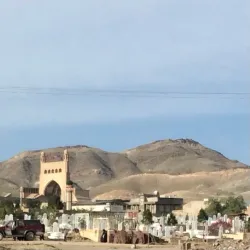
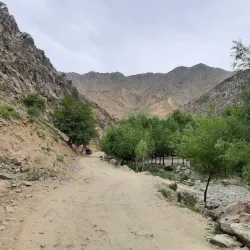
This tomb honors Khwaja Abdullah Ansari, a famous Sufi saint and poet from Herat. The site is a place of spiritual significance and attracts visitors interested in Sufism and Persian literature.
The tomb's architecture and peaceful surroundings offer a reflective experience for visitors.
Panjdari Palace
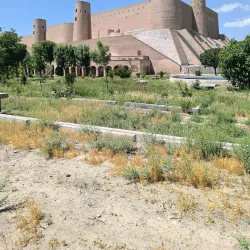
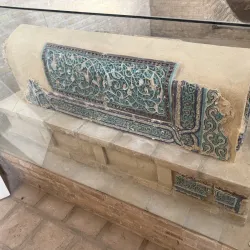
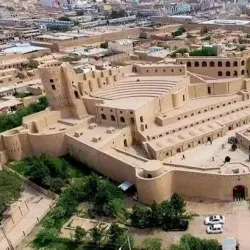
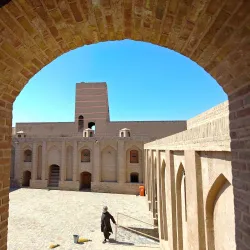
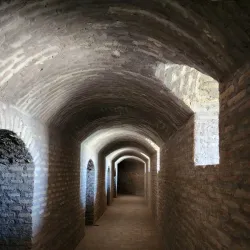

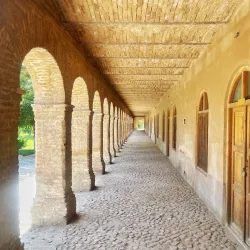

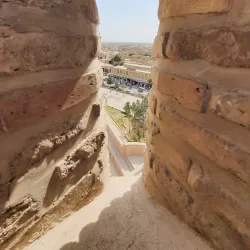
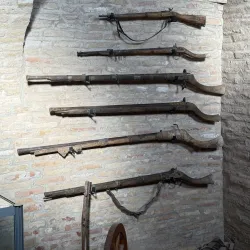
Panjdari Palace is a historic building that served as a royal residence and administrative center during the Timurid period.
The palace showcases traditional Afghan architecture and provides insights into the lifestyle of Herat's historical elite.
Koh-e Shahr Mountain
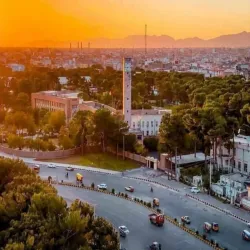
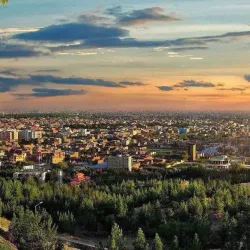
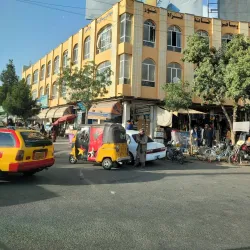
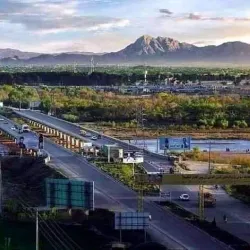
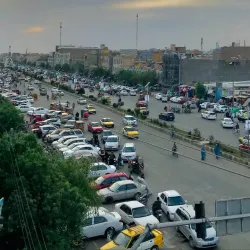
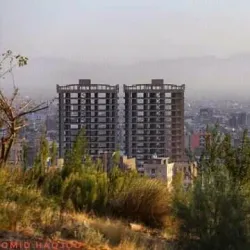
Koh-e Shahr is a mountain near Herat that offers hiking opportunities and panoramic views of the city and surrounding landscape.
It is a popular spot for outdoor enthusiasts and those looking to experience the natural beauty around Herat.