Things to do in Kabul
Kabul, the capital city of Afghanistan, is a place rich in history and culture. Nestled in a valley surrounded by mountains, it offers a unique blend of ancient heritage and modern urban life. The city has been a cultural and economic hub for centuries, reflecting the diverse influences that have shaped Afghanistan.Visitors to Kabul can explore its historic sites, vibrant bazaars, and museums that showcase the country's rich traditions and turbulent history. Despite challenges, Kabul remains a city of resilience and cultural significance.Babur Gardens (Bagh-e Babur)
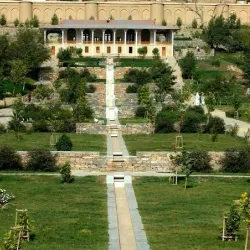
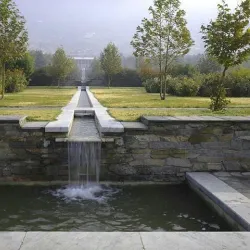
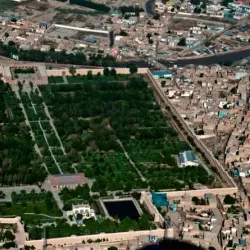
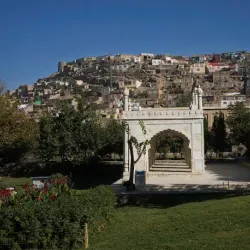
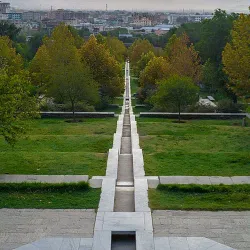
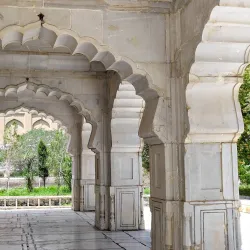
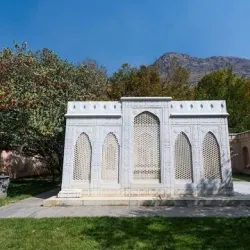
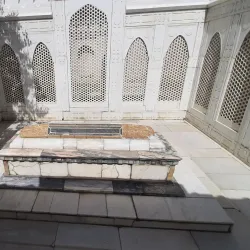
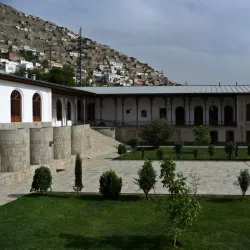
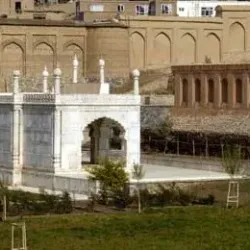
Babur Gardens is a historic park and garden complex built by Babur, the founder of the Mughal Empire, in the 16th century. It is one of the oldest gardens in Kabul and serves as a peaceful retreat with beautifully landscaped terraces, fountains, and historic tombs.
The gardens are significant for their Mughal-style architecture and their role as a cultural and historical landmark in Kabul.
National Museum of Afghanistan
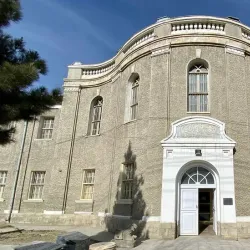
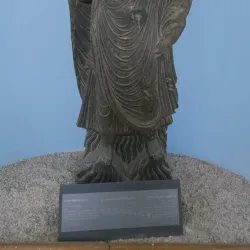
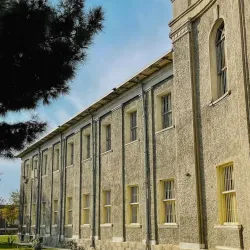
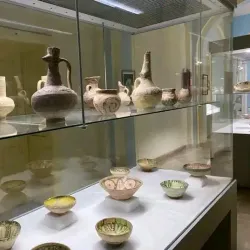
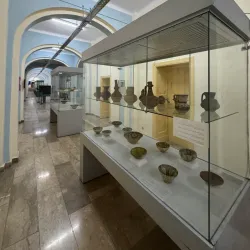
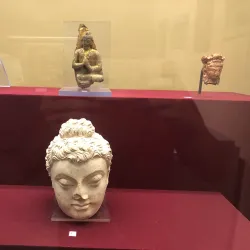
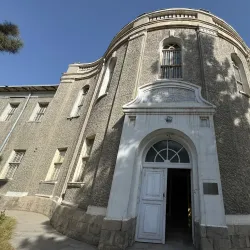
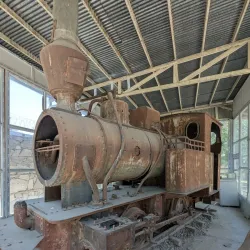
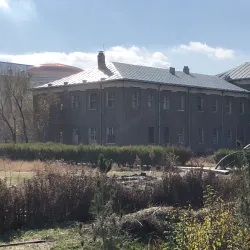
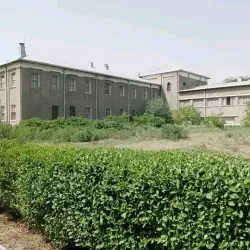
The National Museum of Afghanistan houses a vast collection of artifacts that span the country's rich history, including items from the Buddhist, Islamic, and pre-Islamic periods.
The museum is notable for its efforts to preserve Afghan heritage despite years of conflict, showcasing ancient coins, manuscripts, and sculptures.
Kabul Zoo


Kabul Zoo is a popular family attraction that offers a chance to see native and exotic animals. It provides educational opportunities about wildlife conservation and is a green space in the city.
The zoo has been undergoing improvements to enhance the living conditions for animals and the experience for visitors.
Shah-Do Shamshira Mosque


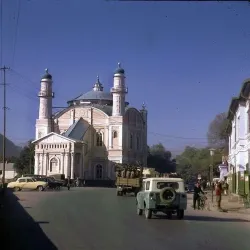

This mosque is known for its unique architecture that blends Islamic and European styles. It is located near the Kabul River and is a prominent religious site in the city.
The mosque's distinctive yellow facade and twin minarets make it a notable landmark in Kabul.
Paghman Gardens
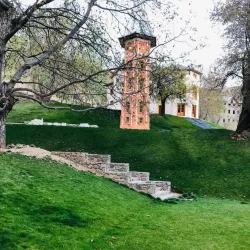
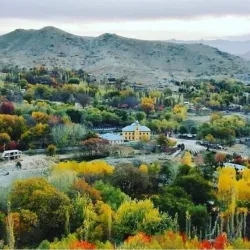
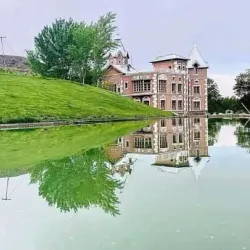
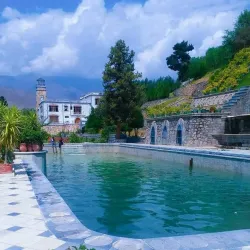
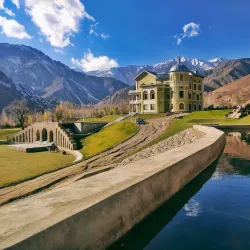
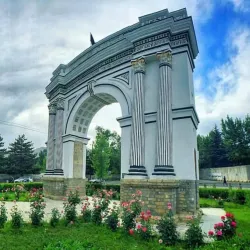
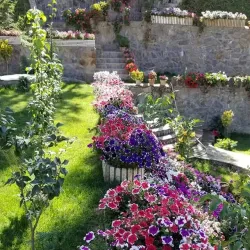
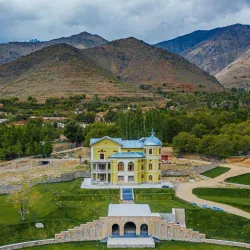
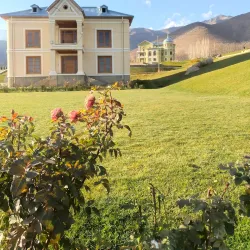
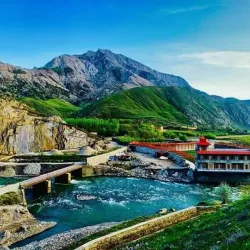
Paghman Gardens is a scenic park located on the outskirts of Kabul, known for its beautiful landscaping, fountains, and walking paths.
It is a popular spot for locals and visitors to relax and enjoy nature, especially during spring when the flowers bloom.
Darul Aman Palace
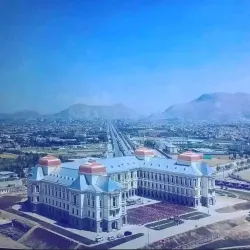
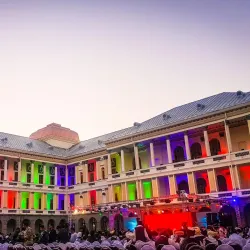
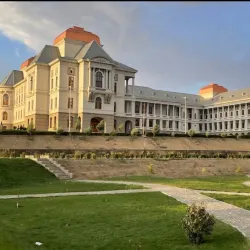
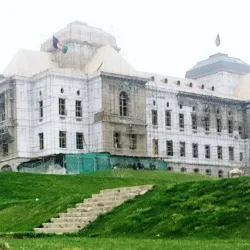
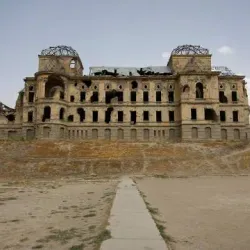
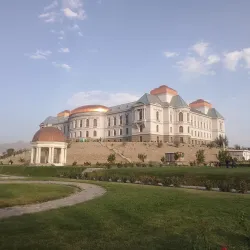
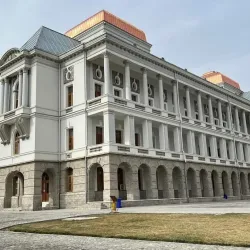
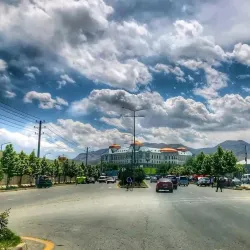
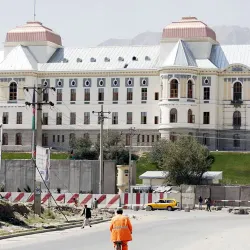
Darul Aman Palace is a historic building originally constructed in the 1920s as part of King Amanullah Khan's modernization efforts. It has undergone restoration after damage during conflicts.
The palace symbolizes Afghanistan's aspirations for progress and is an architectural landmark with neoclassical design elements.
Kabul Old City
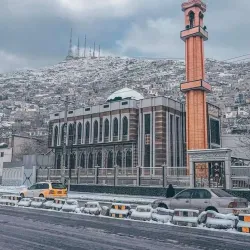
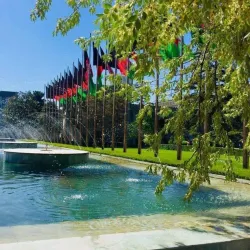
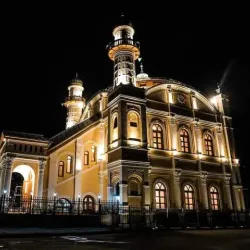
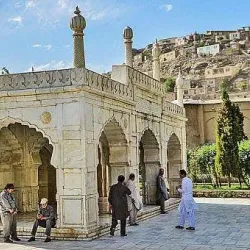
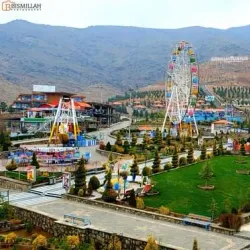
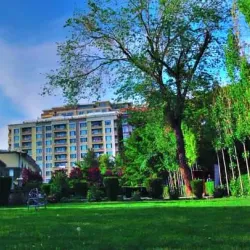
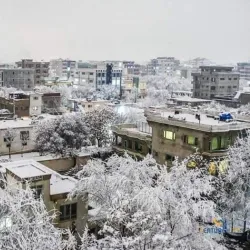
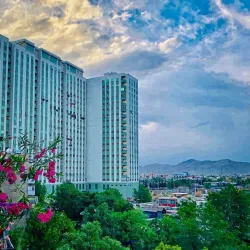
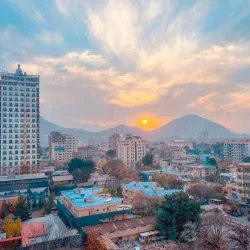
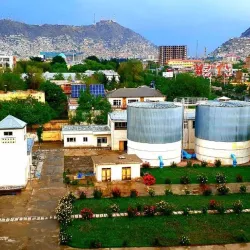
The Old City area of Kabul offers a glimpse into the traditional urban fabric with narrow streets, historic homes, and bazaars.
Visitors can experience the local culture, shop for traditional crafts, and see historic mosques and buildings that reflect Kabul's long history.
Pul-e Khishti Mosque


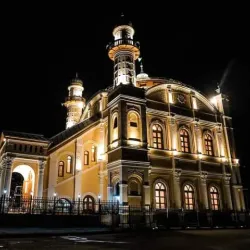
Pul-e Khishti Mosque is one of the largest and oldest mosques in Kabul, known for its large dome and central location in the city.
It serves as an important religious and community center and is architecturally significant for its design and historical value.
Kabul River
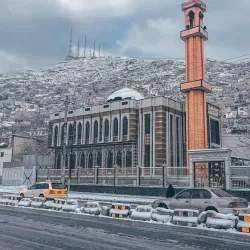
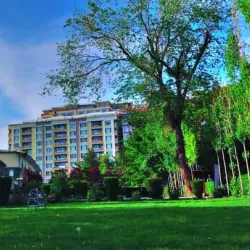
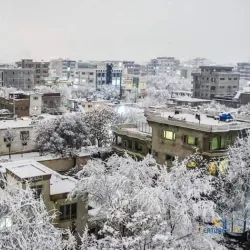
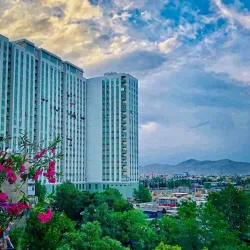
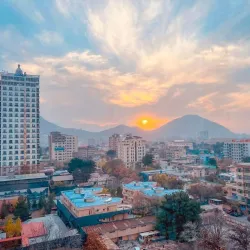
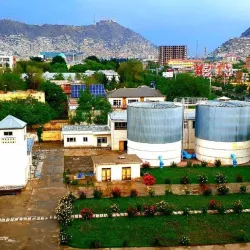
The Kabul River runs through the city and provides scenic views and a natural setting amidst the urban environment.
Walking along the riverbanks offers a peaceful experience and a chance to see local life and nature within the city.
Chihil Sutun Palace


Chihil Sutun Palace, also known as the 'Forty Columns,' is a historic palace and garden complex that dates back to the 18th century.
It features beautiful gardens, traditional Afghan architecture, and serves as a cultural venue for events and exhibitions.